


Listen to the article
Ukraine Accelerates AI Military Integration as Matter of Survival
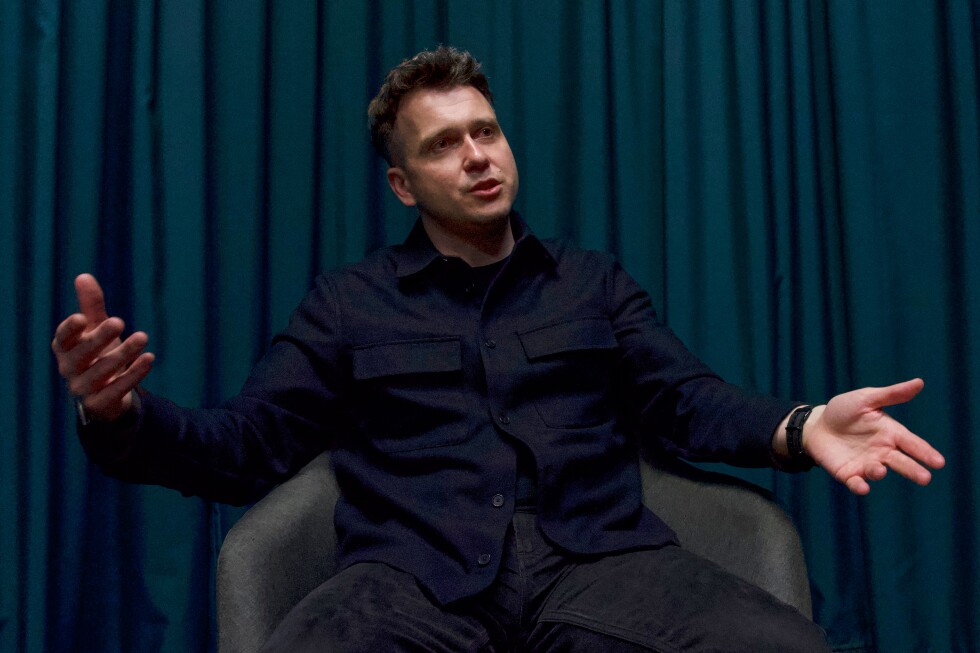
Ukrainian defense officials are rapidly embracing artificial intelligence technology as an essential component in their struggle against Russian forces, according to Danylo Tsvok, who leads Ukraine’s newly established Defense Artificial Intelligence Center.
“We need to be faster than the enemy in decision-making,” Tsvok told The Associated Press in a recent interview. “It’s not only a competitive advantage. It’s about our survival.”
The 35-year-old official, who previously held the government’s top civilian AI position, now directs the center that was formed just last month under Ukraine’s Defense Ministry. His comments underscore the urgency with which Ukraine is approaching technological innovation as it continues to defend itself against its larger neighbor.
Both Ukraine and Russia are engaged in what defense analysts describe as an escalating technological arms race, with particular focus on automated systems across air, land and sea domains. The competition centers largely on developing platforms that can maintain operational effectiveness despite intense electronic warfare interference, which has become a defining characteristic of the conflict.
Many of the newer weapon systems being deployed are designed with autonomous capabilities that allow them to maintain target acquisition and engagement even when communication signals are jammed or disrupted. This functionality has proven increasingly crucial as electronic countermeasures grow more sophisticated on both sides.
Ukraine’s domestic defense industry has expanded dramatically since the beginning of the war, now comprising more than 2,000 manufacturers and military technology firms. These companies are actively developing advanced capabilities such as coordinated drone swarms intended to multiply combat effectiveness while reducing the cognitive load on human operators.
“We need to understand that the future belongs to autonomous systems,” Tsvok explained. “AI makes it possible to automate parts of the kill chain.”
Looking forward, Tsvok envisions a battlefield where networked intelligent weapons operate in coordination under unified command and control systems. He estimates this more fully integrated approach could materialize within “three to five years,” potentially transforming how front lines are secured through tightly integrated hardware and software systems.
In the near term, Ukrainian forces are focused on expanding deployment of autonomous interceptors, ground-based robotic systems, and enhanced electronic warfare capabilities. Some of these elements are already operational, with unmanned ground vehicles increasingly handling logistics, medical evacuations, and direct combat engagements.
Ukrainian President Volodymyr Zelenskyy recently highlighted the growing importance of these technologies, noting that land-based drones had supported more than 20,000 battlefield missions over just a three-month period this year. These missions included medical evacuations, supply deliveries, and combat operations—including what Zelenskyy described as a successful attack carried out without human soldiers present.
Despite this push toward automation, Tsvok emphasized that Ukraine is not seeking to develop fully autonomous “killer robots.” Instead, the focus remains on creating more efficient battlefield systems that accelerate decision-making while maintaining appropriate human oversight and integration with Western partners.
“It’s not about reaching 100% autonomy, it’s about being efficient on the battlefield,” he clarified.
To advance these initiatives, Ukraine is strengthening partnerships with Western allies and Gulf states to secure funding, scale production, and embed itself more deeply in security alliances. These relationships also provide Ukraine access to advanced technologies while offering partners valuable battlefield data from the ongoing conflict.
Tsvok’s department receives financial backing from the UK Ministry of Defence, a relationship he characterized as having both military and broader political significance.
“Democracies must develop strong defensive capabilities,” he said. “Without AI, they cannot effectively protect peace. This is not only about Ukraine. It’s about global security.”
The Ukrainian approach to military AI integration represents a significant shift in modern warfare doctrine, where technological advantage may increasingly offset traditional disparities in troop numbers and resources—a critical consideration for Ukraine as it continues to defend against Russia’s larger military force.
Fact Checker
Verify the accuracy of this article using The Disinformation Commission analysis and real-time sources.

6 Comments
While the military’s adoption of AI is understandable given the gravity of Ukraine’s situation, I hope they are carefully considering the ethical implications and potential for misuse. AI is a powerful but double-edged sword.
That’s a fair point. The rush to deploy AI in warfare raises serious ethical concerns that must be addressed. Responsible development and oversight will be crucial.
The arms race between Ukraine and Russia is concerning, but it’s clear Ukraine sees AI as crucial for its defense. I’m curious to learn more about the specific AI systems and capabilities they’re developing.
It will be interesting to see how the technological competition between the two countries unfolds. Ukraine’s desperation to survive may push innovation in ways we haven’t seen before.
The military’s rapid adoption of AI is a matter of life and death for Ukraine right now. This technological edge could make a big difference against a larger, more powerful adversary like Russia.
You’re right, Ukraine needs to leverage every advantage it can to survive. AI-powered decision-making could be a game-changer in the current conflict.