


Listen to the article
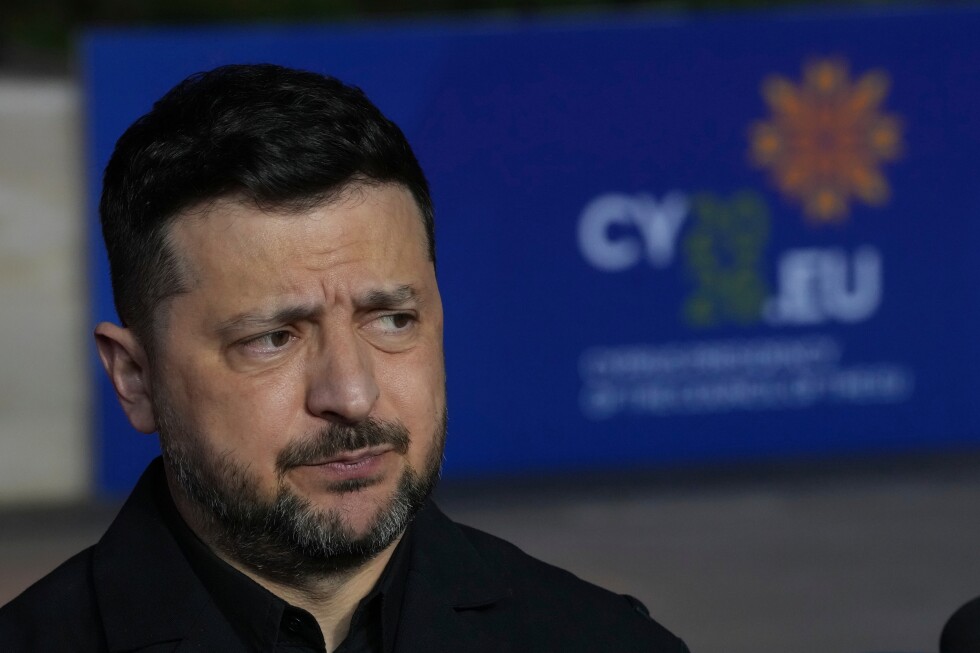
Ukrainian President Volodymyr Zelenskyy announced Thursday he is seeking clarification about a potential short-term ceasefire proposed by Russian President Vladimir Putin to former U.S. President Donald Trump.
“We have instructed our representatives to contact the United States president’s team and clarify the details of the Russian proposal for a short-term ceasefire,” Zelenskyy said in a Telegram post.
According to the Kremlin, Putin suggested a May 9 ceasefire during a phone call with Trump on Wednesday. The date would coincide with Victory Day in Russia, a major holiday commemorating the Soviet victory over Nazi Germany in World War II.
Kremlin spokesperson Dmitry Peskov tempered expectations Thursday, saying “no concrete decision has been made” regarding the ceasefire and that Putin would ultimately determine the specific terms.
Zelenskyy indicated Ukraine would prefer a more substantial pause in hostilities. “We will find out exactly what is being discussed, whether it’s a few hours of security for a parade in Moscow or something more,” he wrote.
The ceasefire discussions unfold against a backdrop of continued violence. Russian attacks overnight killed one person in the central Ukrainian city of Dnipro and wounded dozens in the southern port city of Odesa, regional officials reported.
In Dnipro, a drone attack killed one person and injured five, damaging a shop, a residential building and vehicles, according to Dnipropetrovsk regional head Oleksandr Hanzha.
Odesa region head Oleh Kiper reported that Russian forces launched multiple drone attacks on residential buildings and civilian infrastructure, wounding 20 people. Ukrainian air defenses reportedly downed many incoming targets, but hits and falling debris damaged residential buildings, a hotel, a kindergarten, and an administrative building, sparking fires at several locations.
Meanwhile, Ukraine has continued its campaign of striking targets deep inside Russian territory for the second consecutive day. A Ukrainian security official, speaking anonymously, said Ukraine’s Security Service (SBU) conducted drone strikes against the Lukoil-Permnefteorgsintez refinery in Russia’s Perm region, over 1,500 kilometers from Ukraine. Governor Dmitry Makhonin confirmed an industrial facility was hit but claimed there were no casualties or significant damage.
In Russia’s Krasnodar region, Governor Veniamin Kondtratyev stated that a fire caused by a Ukrainian drone attack on an oil refinery in the Black Sea port of Tuapse had been extinguished after burning for nearly two days. The fire had reportedly caused oil products to spill onto city streets.
Ukraine’s Navy also claimed it struck two Russian vessels in the Kerch Strait using sea drones overnight. The targets reportedly included a Russian patrol boat called “Sobol” and another vessel named “Grachonok.” The Kerch Strait is a strategically important waterway near the Kerch Bridge, which connects mainland Russia to the Crimean Peninsula, which Russia illegally annexed in 2014.
In a separate diplomatic development, a ship that created tension between Israel and Ukraine has departed Israeli waters without unloading what Zelenskyy had claimed was grain stolen from occupied Ukrainian territories.
The vessel had anchored near Haifa port for several days before departing Thursday morning, according to ship tracking website MarineTraffic.com. The Israel Grain Importers Association reported that the country’s largest grain import company rejected the shipment due to the “sensitive situation with Ukraine,” forcing the Russian supplier to find another destination.
Ukrainian Foreign Minister Andrii Sybiha welcomed this outcome, stating, “This demonstrates that Ukraine’s legal and diplomatic actions have been effective.” Earlier in the week, Zelenskyy had threatened sanctions against Israel if the ship unloaded its cargo, prompting an investigation by Israel’s tax authority.
As the war approaches its 28-month mark, these developments highlight the complex diplomatic, military, and economic dimensions of a conflict that continues to impact global relations, energy markets, and food security.
Fact Checker
Verify the accuracy of this article using The Disinformation Commission analysis and real-time sources.

8 Comments
As a major producer of key minerals and metals, any ceasefire or peace deal in the Russia-Ukraine conflict will have major implications for global commodity markets. Keeping a close eye on these developments.
Absolutely. The ripple effects of this conflict on mining, energy, and other commodities can’t be overlooked. Stable supply chains are crucial, so a substantive ceasefire would be welcome news.
While a ceasefire would be welcomed, the timing around Russia’s Victory Day celebrations raises questions. Ukraine must ensure this isn’t just political theater from Putin. Sustained peace is the real goal here.
Zelenskyy is taking the prudent approach in seeking clarity on Putin’s intentions. A genuine, durable ceasefire would be a positive development, but the details matter greatly in this conflict.
Zelenskyy is right to seek clarity on Putin’s ceasefire proposal. Any pause in hostilities needs to be substantial, not just a brief public relations move. Ukraine deserves a real, lasting peace, not empty gestures.
It’s encouraging to see Ukraine pushing for details on this proposed ceasefire. The Russian attacks continue, so any truce needs to be more than just a symbolic gesture. Detailed negotiations will be critical.
Agreed. Ukraine has to ensure any ceasefire is meaningful and not just for show. Careful diplomacy will be key to achieving a genuine pause in the fighting.
This is a delicate situation. Ukraine is right to scrutinize the details of Putin’s proposal. Any ceasefire needs to be verifiable and lead to meaningful progress, not just a temporary pause in the fighting.