


Listen to the article
The U.S. military did not order hospitals to suspend pharmaceutical contracts, according to multiple official sources who have debunked this widely circulated claim.
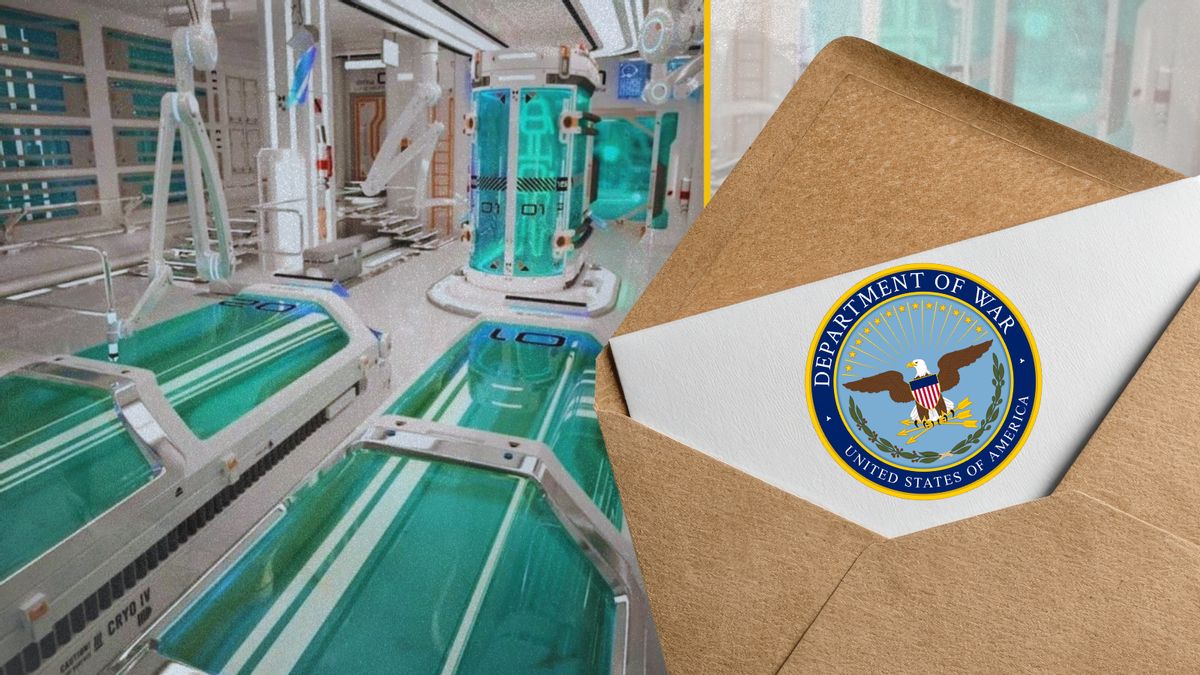
A viral social media rumor that spread across multiple platforms in late April 2026 falsely alleged that Department of Defense personnel had hand-delivered sealed envelopes to thousands of hospital administrators nationwide. The claim stated that these supposed documents, labeled “Medical Directive 2026-04,” ordered hospitals to suspend pharmaceutical procurement contracts, implement a new “Quantum Medical Systems” approach to healthcare, and begin phasing out private insurance billing.
The Defense Health Agency has explicitly denied the claim, with a representative stating in an email response that “the claims outlined in the post are wholly fictitious.” Similarly, the American Hospital Association confirmed it had received no reports of such letters from any of its member institutions.
An investigation found no evidence of the alleged directive in the Department of Defense’s public database of official issuances, and no credible news organizations have reported on such a dramatic policy shift, which would represent an unprecedented federal intervention in the healthcare system.
The viral posts contained numerous red flags suggesting fabrication. They referenced “6,129” hospital administrators receiving the directive, a figure that appears to be based on outdated 2023 data rather than the American Hospital Association’s current count of 6,100 U.S. hospitals. The claims also failed to identify any specific hospitals, administrators, or military personnel involved in the supposed initiative.
Further undermining the rumor’s credibility, the posts mixed the hospital claims with previously debunked conspiracy theories, including the false notion that American citizens have secret government accounts linked to their birth certificates. The posts also referenced a “QFS” (Quantum Financial System) that would supposedly fund free medical care, a concept with no basis in reality.
“The text pulled together several conspiracy themes – secret military technology, hidden cures, corrupt drug companies, birth-certificate wealth accounts and a financial reset – into a dramatic story crafted to provoke alarm and sharing,” noted one analyst familiar with patterns of misinformation.
The posts typically included futuristic medical imagery and urged readers to share the information widely, common tactics used to spread misinformation. Analysis using AI-detection tools suggested the text was likely generated by artificial intelligence, though such tools are not definitive without supporting evidence.
This is not the first time such unfounded healthcare claims have circulated. Similar conspiracy theories have appeared regularly on social media, including the debunked “med beds” conspiracy that falsely promised miracle cures through advanced technology.
Healthcare misinformation experts warn that such claims can be harmful by undermining public trust in legitimate medical institutions and potentially discouraging people from seeking proper medical care.
The Department of Health and Human Services had not responded to requests for comment at the time of publication, though multiple authoritative sources have already confirmed the rumor is false.
The proliferation of this particular conspiracy theory comes amid broader concerns about the spread of health misinformation on social media platforms, where sensational claims can quickly reach large audiences before fact-checking efforts can intervene.
Officials urge the public to verify healthcare information through official channels such as hospital communications, the Department of Defense website, or established news sources before sharing potentially misleading content.
Fact Checker
Verify the accuracy of this article using The Disinformation Commission analysis and real-time sources.

9 Comments
This highlights the importance of verifying claims, especially those related to major institutions like the military and healthcare providers. It’s concerning how quickly false narratives can spread online, so it’s reassuring to see responsible reporting and transparency from official channels to set the record straight.
The comprehensive dismissal of this alleged Pentagon directive is a reassuring display of transparency and accountability. It’s important that official channels are proactive in addressing and refuting such baseless claims, in order to prevent the further proliferation of misinformation. Kudos to the fact-checkers.
This fact check offers a valuable lesson in the importance of verifying information, especially when it involves significant institutions like the military and healthcare system. I’m glad to see the clear and unequivocal refutation of this rumor by reliable sources. It’s a model for how to responsibly address the spread of misinformation.
I appreciate the detailed investigation into this rumor and the clear evidence that it was completely fabricated. It’s a good reminder to be skeptical of sensational claims, especially those that seem designed to sow confusion or panic. Fact-checking is crucial for maintaining public trust.
This fact check provides a useful case study on how to responsibly handle the emergence of dubious claims, especially those involving major institutions. The methodical verification process and clear refutation from official sources is reassuring. It’s a model for how to tackle misinformation in a constructive way.
Interesting to see the fact check on these rumors about supposed Pentagon letters to hospitals. It’s good that official sources have clearly debunked this claim as completely fictitious. I’m glad the military and hospitals have pushed back strongly against the spread of this kind of misinformation.
The thorough debunking of this rumor is a good example of how misinformation can be effectively countered. I’m glad to see the military, hospitals, and journalists working together to promptly address and dispel these kinds of baseless conspiracy theories. It’s an important step in combating the spread of disinformation.
It’s troubling to see how quickly false narratives can gain traction online, even in the face of clear evidence to the contrary. I’m glad the relevant authorities have forcefully rejected this particular rumor and provided a transparent account of the facts. Vigilance against misinformation is crucial.
This fact check serves as a good reminder of the need to approach online claims, especially those related to government and institutions, with a critical eye. I appreciate the diligent investigation and unambiguous debunking of this rumor. Maintaining public trust requires combating the spread of misinformation.