


Listen to the article
Afghan Foreign Ministry Invites US War Allies to Return, Despite Safety Concerns
Afghanistan’s foreign ministry has extended an invitation to Afghan nationals who assisted American forces during the war to return to the country, claiming they can do so safely despite widespread concerns about potential Taliban reprisals.
The announcement comes amid reports that the Trump administration is discussing a controversial plan to relocate approximately 1,100 Afghan allies and relatives of U.S. service members to the Democratic Republic of Congo. These individuals have been stranded at Camp As-Sayliyah, a U.S. military base in Doha, Qatar, for over a year.
Foreign ministry spokesman Abdul Qahar Balkhi stated on Saturday that “Afghanistan constitutes the shared homeland of all Afghans,” adding that the country’s doors “remain open to them, to return with full confidence and peace of mind.” The ministry further asserted that “there exist no security threats in Afghanistan, and none is compelled to leave the country on account of security considerations.”
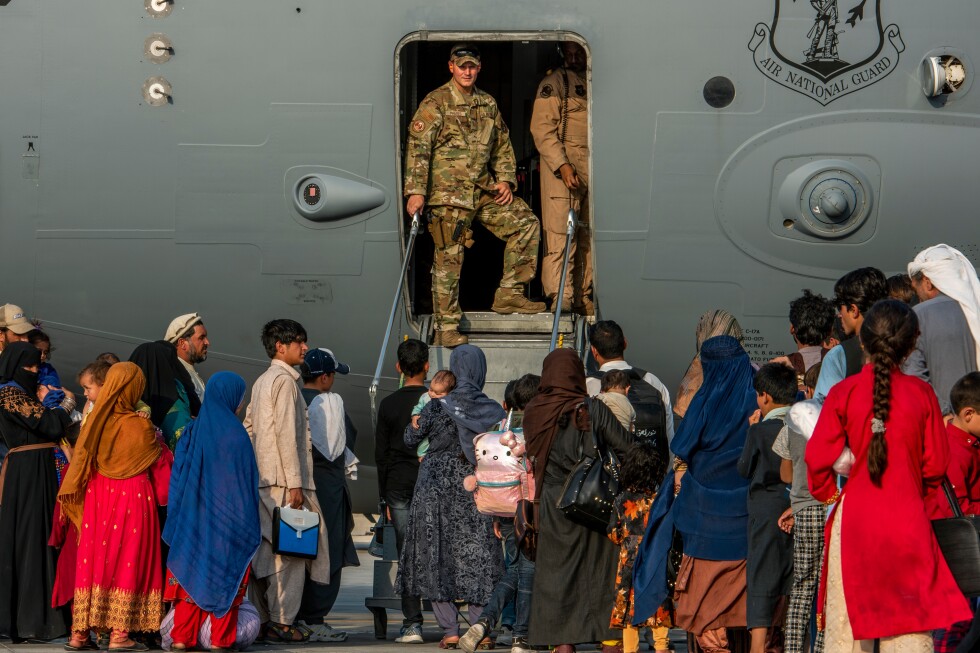
The Afghans in question fled their homeland following the Taliban’s return to power in August 2021, which coincided with the chaotic withdrawal of U.S.-led forces after a two-decade military presence. Many had served as interpreters, security personnel, or in other support roles for American operations, putting them at high risk for Taliban retaliation.
The advocacy organization #AfghanEvac, which supports Afghan resettlement efforts, revealed Wednesday that U.S. officials had informed them about ongoing discussions between the United States and Congo regarding the potential relocation of these refugees. The State Department acknowledged it is exploring options to “voluntarily” resettle the refugees in a third country but did not confirm specific nations under consideration.
In a joint statement released through #AfghanEvac, the Afghan refugees at Camp As-Sayliyah expressed dismay at learning about potential relocation plans from press reports rather than U.S. officials. They firmly rejected the possibility of being sent to the Democratic Republic of Congo, stating: “We do not want to go to the Democratic Republic of Congo. It is a country in its own war. We have been in enough war. We cannot take our children into another one.”
The eastern region of Congo has indeed experienced decades of violent conflict between government forces and Rwanda-backed rebels, raising serious questions about the suitability of the country as a destination for already traumatized refugees.
The Afghans also dismissed the Taliban government’s assurances of safety, stating bluntly: “The Taliban will kill many of us for what we did for the United States. This is not a fear. This is a fact. The United States knows this, because the United States is the reason we cannot go home.”
The prolonged uncertainty has taken a severe psychological toll on those stranded in Qatar. “Many of us are not well. The uncertainty has been more than some of us can carry. There is deep depression,” the group stated, noting that many are struggling with deteriorating mental health due to their precarious situation.
The current impasse stems from President Donald Trump’s decision to pause the Afghan resettlement program established under his predecessor. This action was part of a broader series of executive orders aimed at restricting immigration, but it has left thousands of thoroughly vetted refugees in limbo worldwide, including those at the Qatar facility.
The situation highlights the complex aftermath of America’s longest war and raises questions about the U.S. government’s obligations to those who risked their lives to support American military operations. As diplomatic discussions continue, the fate of these Afghan allies remains uncertain, caught between a homeland ruled by former enemies and potential relocation to another conflict zone in Africa.
For now, they remain in Qatar, awaiting decisions that will profoundly impact their futures and safety, while the Taliban government continues to insist they can return without fear of retribution—a claim viewed with deep skepticism by both the refugees themselves and many international observers familiar with the Taliban’s history of reprisals against perceived collaborators.
Fact Checker
Verify the accuracy of this article using The Disinformation Commission analysis and real-time sources.

8 Comments
The relocation of these Afghan allies to the DRC is an unusual and concerning plan. I hope diplomatic efforts can secure their safe return to Afghanistan, or at least facilitate their resettlement to countries that can better ensure their protection.
It’s positive to see the Afghan government extending an invitation for these Afghans to return home. However, given the past reports of Taliban targeting and violence, I’m skeptical of the claims that there are no security threats. Rigorous safety guarantees will be crucial.
I agree. The Taliban’s track record does not inspire confidence, so the international community should closely monitor the situation and ensure proper safeguards are in place before any returns take place.
This is a complex and sensitive issue. On one hand, it’s positive the Afghan government is extending an invitation. But the history of Taliban violence against those who collaborated with foreign forces is deeply troubling. Careful oversight and guarantees will be essential.
Well said. The safety and security of these individuals must be the top priority, regardless of the Afghan government’s assurances. Cautious, measured steps will be needed to ensure their wellbeing.
While the Afghan government’s invitation is a step in the right direction, I remain skeptical about the true safety and security conditions on the ground. The international community should closely monitor the situation and ensure robust protections are in place before any returns occur.
This is a concerning situation. While the Afghan government claims security is assured, many Afghans who assisted US forces remain fearful of Taliban reprisals. I hope the international community can work to ensure the safe return and resettlement of these allies.
You raise a good point. The safety and security assurances from the Afghan government will need to be backed by concrete actions and protections for those returning.