


Listen to the article
False India Connection Claims Spread After White House Correspondents’ Dinner Shooting
In the hours following the recent shooting incident near the White House Correspondents’ Dinner, a coordinated disinformation campaign rapidly emerged online, falsely linking the suspect to India. Security officials identified the suspect as Cole Tomas Allen, a 31-year-old California resident with a background in engineering and computer science, who was arrested while allegedly attempting to breach a security perimeter.
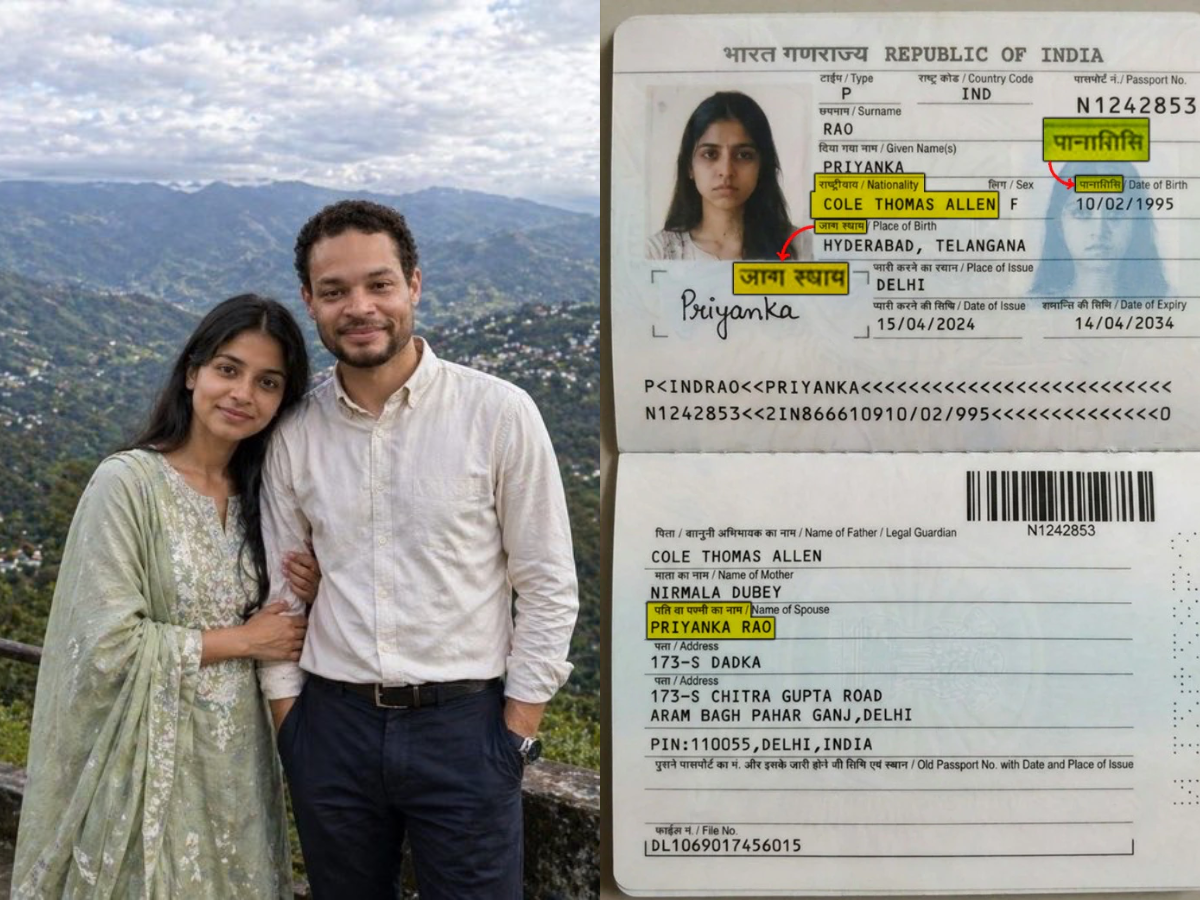
As authorities worked to understand the motives behind the incident, a network of social media accounts, primarily originating from Pakistan, began pushing an entirely fabricated narrative claiming Allen had an “Indian wife” named Priyanka Rao and was somehow influenced by “Indian extremist ideology.”
“The speed with which this false narrative emerged was remarkable,” said Dr. Emilia Vasquez, a disinformation researcher at the Digital Policy Institute. “Within hours of the incident, we tracked dozens of coordinated posts pushing the same storyline with increasingly elaborate details, despite having no basis in reality.”
Fact-checking organizations quickly determined the claims were fabricated using AI-generated content. The supposed “evidence” included synthetically created images of Allen with his purported wife and crudely manipulated passport documentation. Digital analysis tools flagged these images with AI probability scores exceeding 97%, confirming their artificial origin.
The fabricated passport circulating online contained numerous obvious errors, including incorrect nationality fields, misspelled names, nonsensical Hindi script, and duplicate naming errors within the spouse details—all common indicators of AI-generated or digitally altered documents.
Law enforcement briefings have made no mention of any India connection in their preliminary investigations. Sources close to the investigation indicate authorities are exploring personal grievances and possible ideological motivations entirely unrelated to international narratives or immigration issues.
“This case represents a concerning evolution in crisis exploitation,” noted cybersecurity expert Marcus Chen. “Bad actors are becoming increasingly adept at injecting geopolitical narratives into breaking news events, creating confusion before verified information can emerge.”
The incident occurred when gunfire was reported outside the Washington Hilton venue hosting the annual White House Correspondents’ Dinner. Security forces responded quickly, evacuating guests including President Trump and other high-ranking officials. While no fatalities were reported, the incident caused significant panic and some injuries during the evacuation process.
Media analysts point to the growing sophistication of disinformation tactics as particularly troubling. “What we’re seeing is the weaponization of breaking news,” said Tara Montgomery, media literacy advocate. “When combined with synthetic media capabilities, false narratives can now be constructed and disseminated worldwide before journalists can even verify basic facts.”
The accounts pushing the false India narrative often presented themselves as “militancy analysts” or geopolitical experts, lending an air of credibility to their claims. Several used emotionally charged language, suggesting the supposed Indian connection was being “covered up” despite no evidence supporting such assertions.
Social media platforms have since flagged numerous posts related to the fabricated narrative, but not before they reached millions of users globally. Platform policies regarding synthetic media and coordinated inauthentic behavior continue to face challenges keeping pace with increasingly sophisticated disinformation techniques.
As investigations into the actual shooting incident continue, authorities have urged the public to rely on official information sources and exercise caution when encountering unverified claims online, particularly those emerging immediately after crisis events.
The case highlights the growing challenge posed by AI-generated misinformation that can now produce convincing images, documents, and narratives within minutes of breaking news, creating an information environment where falsehoods can gain substantial traction before corrections emerge.
Fact Checker
Verify the accuracy of this article using The Disinformation Commission analysis and real-time sources.

14 Comments
Interesting that this false narrative emerged so quickly after the incident. It’s concerning to see coordinated disinformation campaigns spreading unsubstantiated claims, especially around such sensitive events. Fact-checking is crucial to counter these misleading narratives.
Indeed, the speed at which the false narrative spread is quite alarming. It highlights the need for vigilance and robust fact-checking to quickly identify and debunk such coordinated disinformation efforts.
The speed with which this false narrative emerged is truly remarkable and concerning. It highlights the urgent need for robust fact-checking mechanisms and public awareness campaigns to combat the rapid spread of coordinated disinformation online.
You’re right, the ability of these types of fabricated stories to gain traction so quickly is alarming. Maintaining vigilance and a critical eye when consuming information, coupled with strengthened fact-checking efforts, are essential to preventing the further spread of such manipulative narratives.
This is a concerning example of the challenges we face in the digital age, where coordinated disinformation campaigns can quickly gain traction. Maintaining a vigilant and critical eye when consuming information online is crucial to avoid falling victim to such manipulation.
You make an excellent point. The ability of these false narratives to spread so rapidly highlights the urgent need for strengthened media literacy initiatives to equip the public with the tools to identify and resist such disinformation efforts.
This is a concerning case study in the challenges we face in the digital age, where misinformation can spread like wildfire. Maintaining a critical and discerning eye when consuming information online is crucial to avoid falling victim to such coordinated manipulation efforts.
Absolutely. The rapid emergence of this fabricated narrative is a stark reminder of the need for heightened media literacy and fact-checking efforts to equip the public with the tools to identify and resist the proliferation of online disinformation.
This is a concerning example of how easily misinformation can spread online, especially when it aligns with certain biases or agendas. Rigorous fact-checking and media literacy are essential to combat the proliferation of such false claims.
You’re right, the ability of these types of false narratives to rapidly gain traction is quite troubling. Diligent fact-checking and public awareness are crucial to prevent the further spread of this kind of disinformation.
It’s disheartening to see how swiftly fabricated stories can gain momentum, especially around sensitive incidents. Thorough investigation and transparent communication from authorities are vital to counter such malicious attempts to mislead the public.
Absolutely. The speed at which this false narrative emerged is a stark reminder of the need for robust fact-checking and media literacy efforts to combat the rapid spread of disinformation online.
The emergence of this fabricated narrative is a sobering reminder of the potential for malicious actors to exploit online platforms to sow confusion and discord. Rigorous fact-checking and transparent communication from authorities are essential to counter such attempts to mislead the public.
Agreed. The speed with which this false story gained traction is alarming and demonstrates the critical importance of developing robust strategies to detect, debunk, and prevent the spread of coordinated disinformation campaigns.