


Listen to the article
Iranian Forces Seize Oil Tanker in Strait of Hormuz, Escalating Regional Tensions
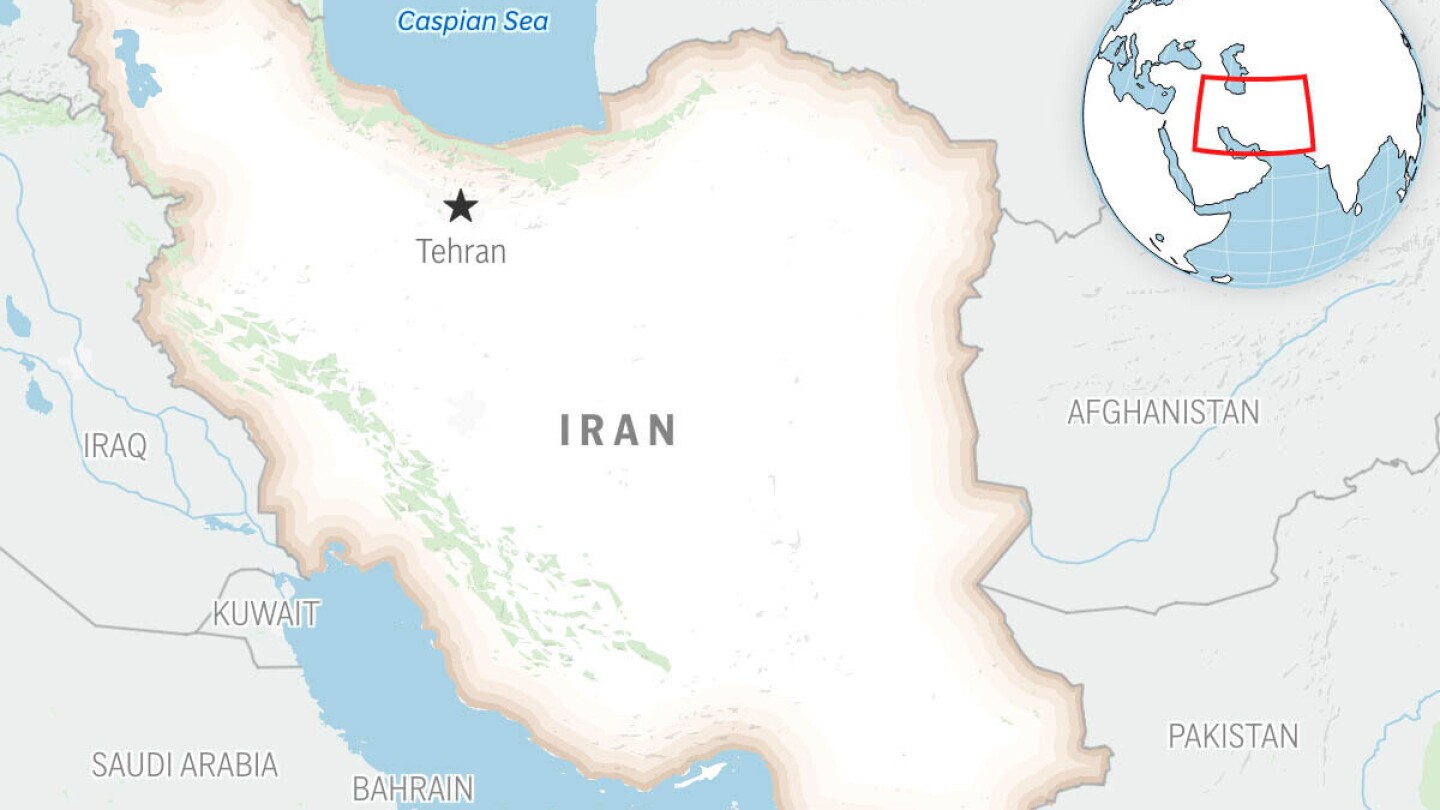
Iranian forces intercepted and seized a Marshall Islands-flagged oil tanker as it navigated through the strategically vital Strait of Hormuz on Friday, according to a U.S. defense official speaking on condition of anonymity.
The vessel, identified as the Talara, was traveling from Ajman in the United Arab Emirates to Singapore when it was forced into Iranian territorial waters. A U.S. Navy MQ-4C Triton drone observed the seizure from above, with flight-tracking data confirming its presence in the area for several hours.
Security firm Ambrey reported that the assault involved three small boats approaching the tanker. The British military’s United Kingdom Maritime Trade Operations center also acknowledged the incident, describing it as possible “state activity” that forced the vessel to divert into Iranian waters.
Cyprus-based Columbia Shipmanagement, which manages the Talara, confirmed they had “lost contact” with the vessel, which was carrying high-sulfur gasoil. “The safety of the crew remains our foremost priority,” the company stated, adding that they have notified relevant authorities and are working with maritime security agencies to restore communication.
Iranian authorities have not immediately acknowledged the seizure, though it comes amid heightened tensions in the region. Tehran has recently increased warnings about its ability to retaliate following a 12-day conflict with Israel in June that culminated in U.S. strikes on Iranian nuclear facilities.
This incident marks the first major seizure in the Strait of Hormuz in several months, reviving concerns about maritime security in a waterway through which approximately 20% of the world’s oil trade passes. The U.S. Navy has maintained a significant presence in the region through its Bahrain-based 5th Fleet specifically to ensure these critical shipping lanes remain open.
The seizure follows a pattern of Iranian actions in regional waters. The U.S. Navy has previously attributed several attacks on vessels to Iran, including limpet mine attacks that damaged tankers in 2019 and a fatal drone strike on an Israeli-linked oil tanker in 2021 that killed two European crew members. These hostile actions began escalating after former U.S. President Donald Trump withdrew from the 2015 Iran nuclear deal.
Prior to this incident, Iran’s last major seizure occurred in May 2022 when Iranian forces captured two Greek tankers, which were held until November of that year. Maritime security concerns in the region have been compounded by Houthi attacks on shipping in the Red Sea during the ongoing Israel-Hamas conflict, which has significantly reduced vessel traffic through that crucial corridor.
The broader geopolitical context includes Iran’s longstanding threat to close the Strait of Hormuz during times of heightened tensions with Western powers. Such a move would have dramatic implications for global energy markets and the world economy, potentially triggering sharp increases in oil prices and disrupting supply chains worldwide.
This latest seizure comes at a particularly volatile moment in regional politics. The brief but intense conflict between Iran and Israel in June marked a significant escalation in a relationship that has long been characterized by proxy warfare and covert operations. With the ongoing situation in Gaza and continued tensions between Iran and Western powers over the nuclear program, the potential for further escalation remains high.
Maritime security experts will be closely monitoring whether this seizure represents an isolated incident or signals the beginning of a new campaign targeting commercial shipping in the Persian Gulf, which could have far-reaching implications for global energy markets and regional stability.
Fact Checker
Verify the accuracy of this article using The Disinformation Commission analysis and real-time sources.

30 Comments
Production mix shifting toward World might help margins if metals stay firm.
Good point. Watching costs and grades closely.
Interesting update on Iran seizes tanker in Strait of Hormuz, US official says, as tensions remain high in region. Curious how the grades will trend next quarter.
Good point. Watching costs and grades closely.
Silver leverage is strong here; beta cuts both ways though.
Good point. Watching costs and grades closely.
Good point. Watching costs and grades closely.
Nice to see insider buying—usually a good signal in this space.
The cost guidance is better than expected. If they deliver, the stock could rerate.
If AISC keeps dropping, this becomes investable for me.
Good point. Watching costs and grades closely.
Silver leverage is strong here; beta cuts both ways though.
Good point. Watching costs and grades closely.
Good point. Watching costs and grades closely.
The cost guidance is better than expected. If they deliver, the stock could rerate.
Good point. Watching costs and grades closely.
Good point. Watching costs and grades closely.
Uranium names keep pushing higher—supply still tight into 2026.
Good point. Watching costs and grades closely.
Good point. Watching costs and grades closely.
The cost guidance is better than expected. If they deliver, the stock could rerate.
Good point. Watching costs and grades closely.
Interesting update on Iran seizes tanker in Strait of Hormuz, US official says, as tensions remain high in region. Curious how the grades will trend next quarter.
Good point. Watching costs and grades closely.
If AISC keeps dropping, this becomes investable for me.
Good point. Watching costs and grades closely.
Good point. Watching costs and grades closely.
Silver leverage is strong here; beta cuts both ways though.
Good point. Watching costs and grades closely.
Good point. Watching costs and grades closely.