


Listen to the article
Sweden has detained a sanctioned tanker suspected of being part of Russia’s clandestine maritime operations, marking the fifth such vessel seizure in recent weeks as the Scandinavian nation intensifies scrutiny of suspicious shipping activities in its waters.
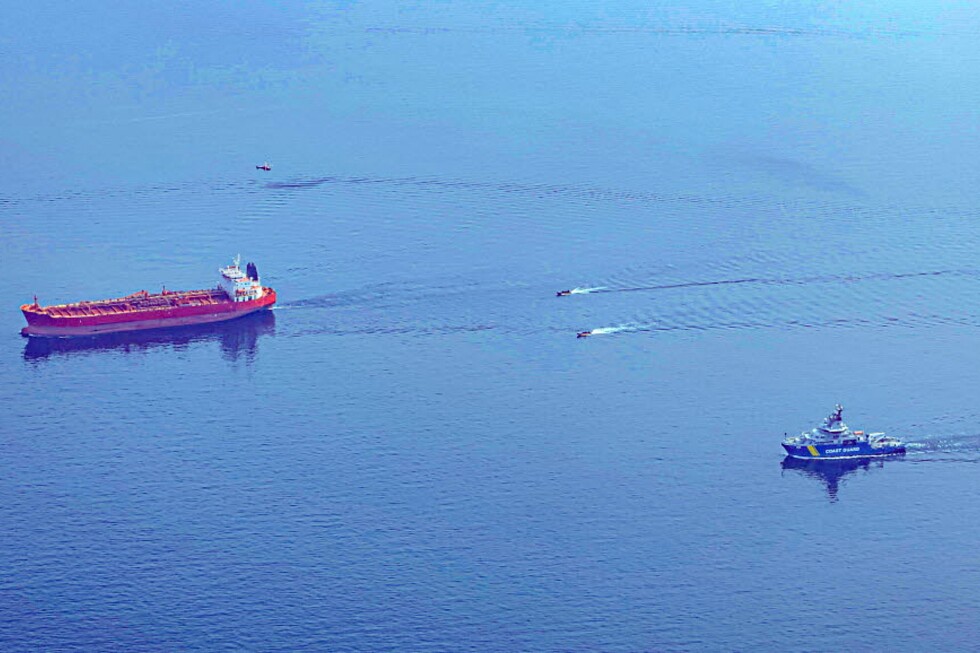
The Swedish Coast Guard boarded and detained the Jin Hui on Sunday as it traversed the Baltic Sea, citing suspicions that the vessel was flying a false Syrian flag while transiting through Swedish territorial waters. Officials also expressed concerns about the ship’s seaworthiness, a recurring issue with vessels recently intercepted in the region.
Civil Defense Minister Carl-Oskar Bohlin confirmed on social media platform X that the Jin Hui currently appears on European Union, United Kingdom, and Ukrainian sanctions lists. The vessel remained anchored off the southern Swedish port city of Trelleborg on Monday as authorities continued their investigation.
Swedish prosecutors announced that the ship’s captain, identified as a Chinese national, has been arrested on multiple charges including using fraudulent documentation. This case highlights growing international concern about Russia’s so-called “shadow fleet” – vessels operating with obscured ownership or identities to evade sanctions imposed following the invasion of Ukraine.
“Ships with suspected deficiencies in their seaworthiness continue to sail in Swedish waters,” said Daniel Stenling, the coast guard’s deputy chief of operations. “This is not acceptable. We have intervened before, now we are intervening again.”
The shadow fleet phenomenon emerged as Western nations implemented strict sanctions targeting Russia’s maritime trade, particularly its lucrative oil and gas exports. Industry analysts estimate that hundreds of aging tankers have been purchased through shell companies and complex ownership structures to maintain Russia’s ability to transport commodities while avoiding detection or regulatory scrutiny.
These vessels often operate with minimal safety standards and questionable insurance coverage, raising environmental concerns across the Baltic region. Many change flags frequently or operate under flags of convenience from nations with limited maritime enforcement capabilities.
In response to these challenges, Sweden announced last year it would strengthen insurance verification procedures for foreign ships entering its waters. These enhanced controls specifically target vessels suspected of transporting Russian oil and gas or carrying allegedly stolen Ukrainian grain – two key areas where sanctions evasion has been documented.
Russia’s ambassador to Sweden, Sergey Belyaev, issued a statement Wednesday distancing Moscow from the detained vessel. “The Jin Hui is not operating under the Russian flag,” Belyaev stated, adding that Swedish authorities had informed the Russian embassy there were no Russian nationals aboard. Notably, the ambassador’s statement did not directly address allegations regarding the ship’s potential connection to the shadow fleet operations.
Maritime security experts have observed that sanctions evasion techniques have grown increasingly sophisticated as enforcement efforts intensify. Vessels frequently disable tracking systems, conduct ship-to-ship transfers in international waters, and falsify documentation to obscure cargo origins and destinations.
The Baltic Sea has become a focal point for such monitoring efforts given its strategic importance for Russian exports and its shared borders with several EU and NATO member states. Sweden’s recent accession to NATO has further strengthened the alliance’s position in monitoring suspicious maritime activity in the region.
This latest detention underscores the growing complexity of enforcing international sanctions in the maritime domain, where jurisdiction, verification challenges, and the sheer volume of global shipping create significant enforcement hurdles even for well-resourced nations like Sweden.
Fact Checker
Verify the accuracy of this article using The Disinformation Commission analysis and real-time sources.

8 Comments
The apprehension of this Russia-linked tanker is another sign that Sweden is taking the issue of sanctions evasion and illicit shipping activities very seriously. It will be interesting to see if this leads to further interdictions or investigations.
Kudos to the Swedish authorities for their diligence in detecting and detaining this sanctioned vessel. Disrupting Russia’s ability to move resources and evade economic restrictions is a crucial part of the international response to the invasion of Ukraine.
I agree. Maintaining a strong enforcement posture against sanctions-busting is important, both to uphold the integrity of the sanctions regime and to deter further illicit behavior.
Interesting development. It’s good to see Sweden taking action against vessels suspected of violating sanctions and engaging in dubious maritime activities. Monitoring these ‘shadow fleets’ is crucial to upholding international laws and norms.
I agree. These types of interdictions are an important tool in putting pressure on Russia and its sanctions-evading tactics.
This tanker situation highlights the need for heightened vigilance and cooperation among nations to ensure the integrity of global shipping and trade. I’m curious to learn more about the specific concerns regarding the vessel’s seaworthiness and documentation.
Yes, the details around the ship’s flags, ownership, and operational status will be important to uncover. Proper vetting and enforcement are essential to maintaining transparency in maritime commerce.
This type of interdiction highlights the importance of international cooperation and information sharing to combat sanctions evasion and protect the global rules-based order. I’m curious to learn more about the specific intelligence and coordination that led to the detention of this tanker.