


Listen to the article
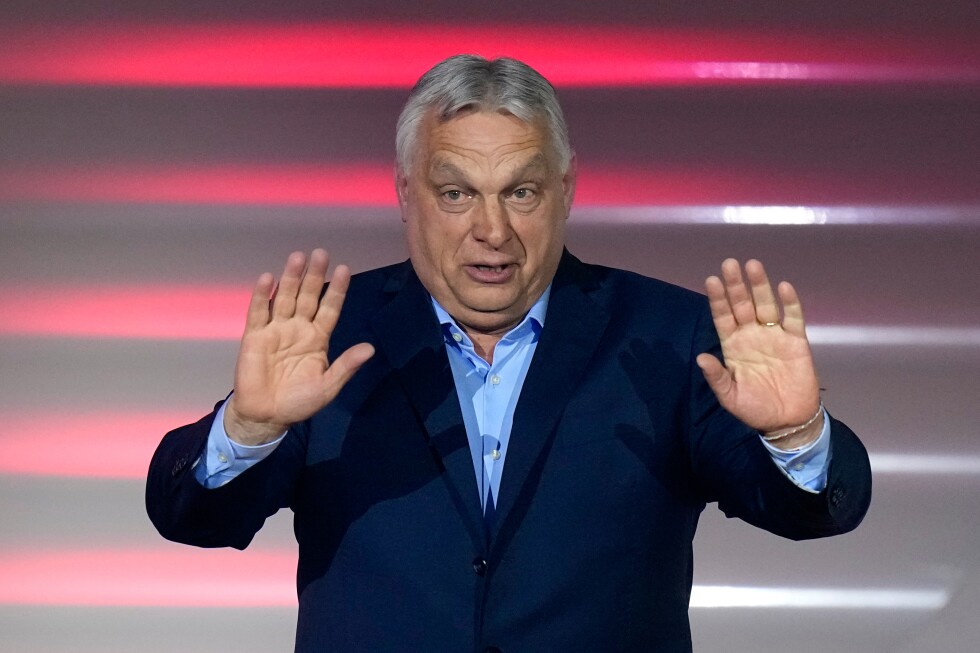
Outgoing Hungarian Prime Minister Viktor Orbán announced Saturday he will not take his parliamentary seat following a historic electoral defeat earlier this month, opting instead to focus on rebuilding his nationalist-populist political movement.
In a video posted to Facebook, Orbán declared his party’s parliamentary presence would undergo radical transformation after voters decisively rejected his leadership in the April 12 election. “Our task now is not in parliament,” Orbán stated, emphasizing the need for “reorganization” of what he calls Hungary’s “national side.”
The election marked a stunning end to Orbán’s 16-year grip on power in Hungary, as voters overwhelmingly supported the center-right Tisza party led by incoming Prime Minister Péter Magyar. The opposition secured a commanding two-thirds majority in parliament, winning 141 of 199 seats – the largest majority in Hungary’s post-Communist history.
Magyar campaigned on promises to address endemic corruption and restore democratic institutions that critics say deteriorated significantly during Orbán’s tenure. The incoming administration has pledged to rebuild rule of law mechanisms and hold accountable those responsible for what Magyar describes as systematic corruption under the previous government.
Orbán’s Fidesz party, once dominant in Hungarian politics, has been reduced to just 52 parliamentary seats, down from 135 before the election. The dramatic reversal represents the most significant shift in Hungary’s political landscape since the fall of communism over three decades ago.
“I have led our community for nearly four decades,” Orbán reflected in his video message. “This camp has always been the most united and cohesive political community in Hungary.” Despite stepping away from parliament, Orbán signaled he intends to remain president of Fidesz when the party holds its leadership congress in June.
When the new parliament convenes on May 9, it will mark the first time since Hungary’s transition from state socialism in 1990 that Orbán will not serve as a lawmaker, ending a remarkable 34-year stretch in the legislative body.
Political analysts view Orbán’s decision as a strategic move to distance himself from what could be a challenging opposition role while preserving his influence over the party apparatus. During his years in power, Orbán transformed Hungary’s political system in ways critics described as increasingly authoritarian, drawing frequent criticism from European Union leadership.
Under Orbán’s leadership, Hungary often clashed with Brussels over issues ranging from media freedom to judicial independence. His government maintained close ties with Russia and China while positioning itself as a defender of traditional Christian values against what he termed Western liberal influences.
The political earthquake in Hungary has significant implications for European politics. Orbán had emerged as an influential figure among nationalist-conservative movements across the continent, and his defeat may signal challenges for similar political forces elsewhere in Europe.
Magyar’s incoming government faces substantial challenges, including repairing strained relationships with EU partners, addressing economic concerns, and implementing promised anti-corruption measures. The new administration’s overwhelming parliamentary majority gives it the constitutional power to reverse many of Orbán’s controversial policies and institutional changes.
International observers will be watching closely as Hungary undergoes this dramatic political transition. The European Commission has repeatedly raised concerns about rule of law issues in Hungary, even withholding certain EU funds over governance concerns.
As Hungary prepares for new leadership, Orbán’s political future remains uncertain beyond his party role. What seems clear, however, is that one of Europe’s longest-serving and most controversial leaders is entering an entirely new phase of his political career – this time, outside the halls of parliament where he built his power.
Fact Checker
Verify the accuracy of this article using The Disinformation Commission analysis and real-time sources.

12 Comments
Interesting development in Hungary – Orbán’s refusal to take his seat signals a major shift in the country’s political landscape. I wonder how this will impact the incoming government’s plans to address corruption and restore democratic institutions.
Orbán’s move seems like a strategic decision to maintain his influence outside of parliament. It will be crucial to see how the new government navigates this transition of power.
Orbán’s decision to forgo his parliamentary seat is a bold move, but one that could allow him to maintain influence from outside the legislature. The incoming administration will face a significant challenge in implementing its reform agenda with Orbán still in the mix.
The landslide victory for the opposition in Hungary is a clear repudiation of Orbán’s nationalist-populist policies. It will be critical to monitor how the new government navigates this transition of power.
The election results in Hungary are quite significant, with the opposition securing a commanding majority. Orbán’s decision not to take his seat is certainly noteworthy and raises questions about his future role in Hungarian politics.
It will be intriguing to see how the new government follows through on its promises to address corruption and restore democratic institutions in Hungary.
Hungary’s election results represent a major shift in the country’s political landscape. Orbán’s decision not to take his seat in parliament is a curious move that bears watching. The incoming government will need to demonstrate its commitment to addressing corruption and restoring democratic norms.
The scale of the opposition’s victory in Hungary is quite remarkable. It will be important to see how the new government follows through on its pledges to hold Orbán’s allies accountable and rebuild rule of law mechanisms.
The election outcome in Hungary is a major political shift, with the opposition securing a decisive victory. Orbán’s decision to forgo his parliamentary seat is an intriguing move that raises questions about his future role in the country’s politics.
The scale of the opposition’s win in Hungary is quite remarkable and represents a significant repudiation of Orbán’s nationalist-populist agenda. The incoming government will face a significant challenge in delivering on its reform promises.
Orbán’s decision not to take his seat in parliament is a notable development that underscores the significant changes underway in Hungary. The incoming government will face a complex challenge in implementing its reform agenda while contending with Orbán’s continued influence.
The election results in Hungary represent a clear mandate for change, with the opposition securing a commanding majority. It will be crucial to monitor how the new administration navigates this transition of power.