


Listen to the article
Fragile Peace in the Middle East Hangs by a Thread After Year of Conflict
The delicate peace that has emerged in the Middle East since Hamas’ October 7, 2023 attack exists only through a patchwork of conditional ceasefires and mutual threats between multiple parties. Nearly a year after the initial assault, the region remains poised on a knife’s edge, with fundamental issues unresolved and millions still displaced.
Iran, despite suffering significant setbacks in recent months, maintains its negotiating stance while its regional allies – Hezbollah in Lebanon and Hamas in Gaza – continue functioning despite Israeli military actions against them. For his part, Israeli Prime Minister Benjamin Netanyahu faces growing domestic pressure to translate military successes into tangible political outcomes ahead of elections later this year.
U.S. President Donald Trump has positioned himself as a peacemaker in the region while simultaneously escalating tensions with Iran. Negotiations have stalled, and the two nations remain locked in a dangerous standoff over the strategically vital Strait of Hormuz.
“Ceasefires don’t fix anything — they just stop things from getting worse,” observed Michael Ratney, former U.S. ambassador to Saudi Arabia. “It’s part of an answer to an immediate political problem, which is Trump needs to get out of war and can’t figure out how do that.”
The situation with Iran represents perhaps the most volatile flashpoint. Trump has alternated between threatening massive attacks on Iranian infrastructure – at one point suggesting he could end “a whole civilization” – and pursuing diplomatic solutions to long-standing disputes over Iran’s nuclear program and regional activities.
This week, Trump extended a ceasefire while maintaining a naval blockade on Iranian ports. On Wednesday, he threatened to attack Iranian vessels in the Strait of Hormuz, which Tehran has effectively closed since the conflict began, triggering a worldwide energy crisis.
Iran has shown no public willingness to compromise on its nuclear ambitions, ballistic missile program, or support for regional proxies. Iranian officials insist the strait will remain closed until the United States lifts its blockade and Israel halts attacks on Iran-backed groups.
Recent ceasefire talks in Pakistan collapsed when Iran’s foreign minister departed Islamabad and Trump instructed U.S. envoys not to attend. Based on statements from Iranian leadership, Tehran appears confident it can withstand economic pressure longer than Trump can tolerate high gas prices and an unpopular conflict, especially with U.S. midterm elections approaching.
Jon Alterman from the Center for Strategic and International Studies in Washington notes that Trump’s approach typically favors headline-grabbing announcements and quick results. “The most visible part of the fighting has stopped, but the less visible efforts are roaring ahead,” Alterman said. “Ceasefires can seem comfortable but lock in unsustainable patterns, with one side feeling it has lost the urgency to resolve the underlying conflict.”
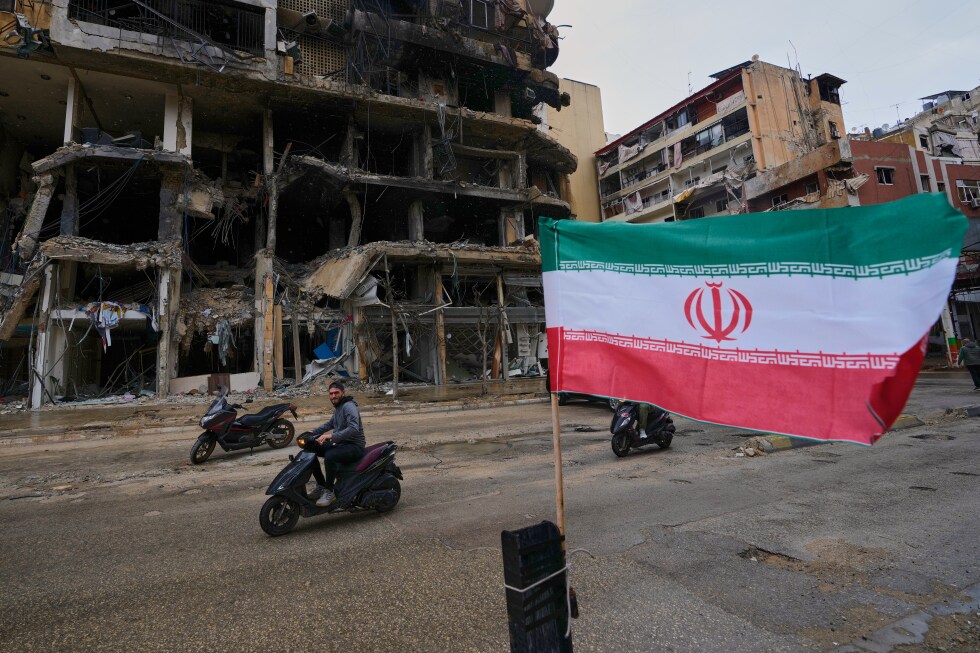
In Lebanon, a recently negotiated truce has largely held except in border regions where fighting continues. Israel has indicated plans to maintain indefinite control over parts of southern Lebanon, while Hezbollah – not officially party to the agreement – demands complete Israeli withdrawal.
Trump announced a three-week extension of this truce on Thursday following talks between Israeli and Lebanese officials at the White House. The United States and Israel have called for Lebanon’s government to disarm Hezbollah, but Beirut acknowledges limited capability to confront the powerful militant group without risking civil war, particularly while Israeli forces occupy Lebanese territory.
Israel has established a “yellow line” in southern Lebanon, demolishing homes allegedly used by Hezbollah, preventing civilian returns, and conducting strikes against suspected militants. Many Lebanese fear a return to Israel’s 1982-2000 occupation of southern Lebanon, which ended only after sustained Hezbollah resistance.
Tensions remain high after Israeli strikes killed a prominent Lebanese journalist covering the southern region and wounded another reporter on Wednesday, just before the Washington talks. Lebanese health officials reported that Israeli forces prevented an ambulance from reaching journalist Amal Khalil, though Israel denied targeting journalists or rescue personnel.
In Gaza, a U.S.-brokered ceasefire implemented in October secured the release of remaining hostages held by Hamas and halted major military operations. However, Israel continues conducting strikes against alleged militant targets. Gaza health officials report over 790 Palestinians killed since the ceasefire began, including approximately 225 children.
Israel conditions its withdrawal from half of Gaza, the return of hundreds of thousands of displaced people, establishment of new political leadership, and reconstruction on Hamas disarmament – something the militant group shows no sign of accepting. Meanwhile, Hamas claims to have offered proposals for disarmament while accusing Israel of ceasefire violations.
This stalemate leaves most of Gaza’s 2 million residents confined to tent camps or damaged buildings with no resolution in sight. A committee of Palestinian technocrats established to govern Gaza temporarily remains unable to enter from Egypt, while Hamas continues controlling half the territory.
As the region enters another season of uncertainty, the current arrangement of tenuous ceasefires provides temporary relief but offers little hope for lasting peace without addressing the fundamental grievances that have fueled decades of conflict.
Fact Checker
Verify the accuracy of this article using The Disinformation Commission analysis and real-time sources.

14 Comments
The Trump administration’s approach of trying to broker ceasefires is understandable, but it sounds like fundamental problems remain unresolved. Durable peace will likely require more comprehensive diplomatic efforts.
Agreed, quick fixes are unlikely to bring lasting stability. Resolving the complex web of regional tensions and disputes is crucial but extremely challenging.
This is a reminder of the fragility of ceasefires and the need for comprehensive peace agreements. The ongoing tensions and conflicts in the Middle East have significant implications for global security and stability.
Absolutely, the fallout from this unresolved conflict has far-reaching consequences. Resolving the core issues is crucial, not just for the region but for the entire world.
This is a delicate situation with many moving parts. Ceasefires can provide temporary respite, but resolving the deeper issues will require tough negotiations and compromise from all sides.
You’re right, sustainable peace in the Middle East has proven elusive. Hopefully the parties can find a way to address the root causes and achieve a lasting settlement.
Fascinating insights into the delicate balance of power and negotiations in the Middle East. The Trump administration seems to be taking an active role, but the situation remains highly volatile.
Yes, the region remains a tinderbox with many competing interests at play. Diplomatic solutions will require patience, nuance and concessions from all parties.
The Middle East has long been a region of instability and conflict. While ceasefires may provide temporary calm, the underlying tensions and unresolved issues will likely continue to simmer and flare up.
Absolutely, the history of the region suggests that short-term fixes are unlikely to bring lasting peace. Comprehensive, long-term strategies that address the core drivers of conflict are needed.
Ceasefires may provide temporary respite, but true peace requires political will and compromise from all sides. The Trump administration’s efforts are noteworthy, but the fundamental challenges remain daunting.
You’re right, this is an incredibly complex situation with deep-rooted grievances and competing interests. Sustainable solutions will require nuanced diplomacy and a willingness to address root causes.
This news highlights the fragility of the situation in the Middle East and the difficulty of achieving lasting peace. Ceasefires may be a necessary first step, but more substantive diplomatic efforts will be required to resolve the deeper issues.
You make a good point. The Trump administration’s approach seems to be focused on quick fixes, but the region’s problems are deeply rooted. Sustainable solutions will require patience, nuance and a willingness to address the fundamental drivers of conflict.