


Listen to the article
Bangladesh’s Cyber Security Agency Launches 24/7 Monitoring to Combat Misinformation Ahead of Elections
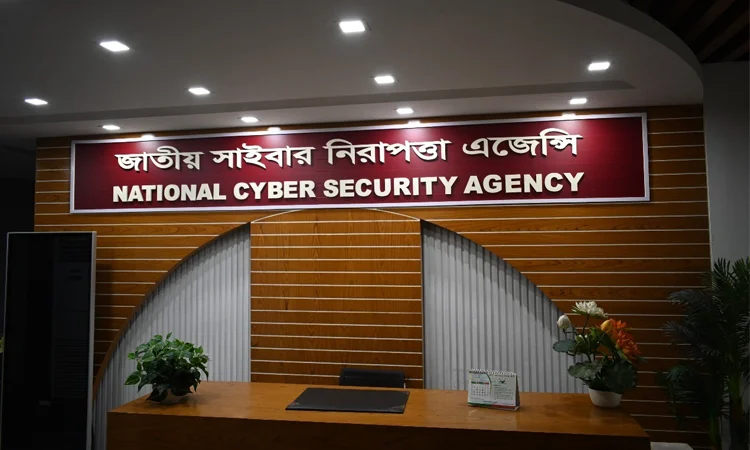
Bangladesh’s National Cyber Security Agency (NCSA) has established a dedicated cell operating around the clock to combat the spread of fake news, misinformation, and rumors in the lead-up to the country’s upcoming national elections.
The specialized unit is working in close coordination with several government bodies, including the Chief Adviser’s Press Wing, Press Institute Bangladesh (PIB), Bangladesh Sangbad Sangstha (BSS), Bangladesh Telecommunication Regulatory Commission (BTRC), and various law enforcement agencies, according to an official release issued yesterday.
“It is the responsibility of all to keep the country’s cyberspace safe,” stated the NCSA in their announcement, emphasizing a collaborative approach to digital security during what is typically a politically sensitive period in the nation of 170 million people.
The initiative comes amid growing concerns about the role of social media in spreading divisive content during election seasons, a phenomenon that has affected democracies worldwide in recent years. Bangladesh has experienced significant political polarization in past elections, with social media platforms often becoming battlegrounds for competing narratives.
Digital security experts view this proactive measure as particularly important given Bangladesh’s rapidly growing internet penetration rate, which now stands at approximately 65% of the population. The country has seen a dramatic rise in smartphone usage and social media activity over the past decade.
The NCSA has urged citizens to verify information sources before sharing content online and to promptly report any suspicious, provocative, or anti-national material they encounter. This public participation approach reflects a growing recognition that combating digital misinformation requires both institutional and community efforts.
To facilitate public reporting, the agency has established a comprehensive 24/7 helpline service with specialized email addresses for different categories of cyber concerns. These include dedicated channels for reporting misinformation, online harassment, cyber attacks against critical infrastructure, and online gambling activities.
The reporting channels are organized by category, allowing for more efficient processing of complaints. Citizens can report general misinformation to specialized email addresses, while separate contacts are available for issues like fake profiles, obscene content, cyber attacks on critical infrastructure, and online gambling operations.
The NCSA’s comprehensive approach reflects the evolving nature of cyber threats in Bangladesh, where digital literacy varies widely across demographic groups. The agency appears to be taking a multi-faceted approach that combines monitoring, verification, and public education.
Digital rights advocates have generally supported efforts to combat harmful misinformation but have also emphasized the importance of maintaining freedom of expression and ensuring that such initiatives don’t inadvertently restrict legitimate political discourse during election periods.
The establishment of this special cell represents part of a broader trend across South Asian nations, where governments are increasingly developing institutional responses to digital misinformation while balancing security concerns with democratic freedoms.
Bangladesh’s upcoming national elections are viewed as a crucial moment for the country’s democratic institutions. By establishing this dedicated cybersecurity initiative, authorities are acknowledging the significant role digital platforms now play in shaping public opinion and political discourse.
The NCSA concluded its announcement by seeking cooperation from all citizens “so that they can together play a role in using the country’s digital space safely and responsibly,” highlighting the collective responsibility in maintaining the integrity of Bangladesh’s information ecosystem during this critical period.
Fact Checker
Verify the accuracy of this article using The Disinformation Commission analysis and real-time sources.

9 Comments
Kudos to Bangladesh for taking this issue seriously. Maintaining digital security and safeguarding the truth is crucial, especially leading up to an election. I hope this effort is successful in curbing the influence of misinformation campaigns.
This is a timely and necessary step. Misinformation and divisive rhetoric on social media can have real-world consequences, especially during elections. I hope the NCSA’s collaborative approach can help restore some integrity to Bangladesh’s digital landscape.
Establishing a dedicated 24/7 monitoring unit is a significant commitment. I’ll be interested to see what tactics and technologies the NCSA employs to effectively identify and respond to the spread of misinformation online.
Yes, the scope of this initiative suggests Bangladesh recognizes the gravity of the misinformation threat. Utilizing the right mix of human analysts and AI-powered tools will be key to their success.
Misinformation can be extremely damaging, especially around sensitive political events. I’m glad to see Bangladesh taking proactive steps to monitor and address this issue. Collaboration across government bodies will be key to an effective response.
Absolutely. Tackling misinformation requires a multi-faceted approach. I hope this initiative can serve as a model for other countries facing similar challenges.
It’s concerning to hear about the growing role of social media in spreading divisive content during elections. This NCSA initiative seems like a prudent move to try and combat that trend. Transparent and fact-based political discourse is essential for democracy.
While freedom of speech is important, the spread of misinformation can undermine the integrity of the electoral process. I’m curious to see how the NCSA balances those competing priorities in their approach to combating fake news.
This is an important initiative to combat misinformation during elections. Maintaining an open and truthful digital space is crucial for a healthy democracy. I’m curious to see how the NCSA’s 24/7 monitoring and coordination with various agencies will help address the spread of fake news.