


Listen to the article
Pharmacist’s Crucial Role in Combating Health Misinformation Highlighted at European Congress
In an era where health misinformation spreads as rapidly as viral infections, pharmacists are increasingly positioned on the frontlines of public health defense. This emerging role took center stage at the 46th Annual Congress of the European Pharmaceutical Students’ Association (EPSA) held in Bydgoszcz last week.
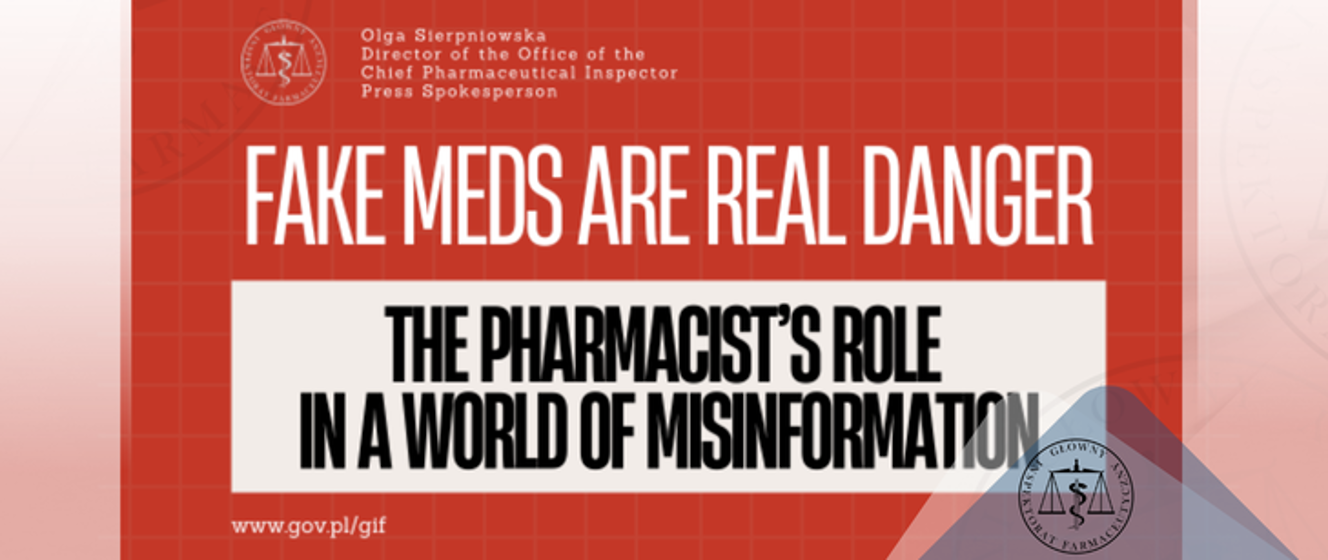
Olga Sierpniowska, Director of the Office of the Chief Pharmaceutical Inspector, delivered a compelling workshop focused on the dangers of falsified medicines and the critical responsibility pharmacists bear in combating health-related misinformation.
“Fake meds are real danger: the pharmacist’s role in a world of misinformation,” Sierpniowska’s session, resonated deeply with the approximately 300 pharmacy and pharmaceutical sciences students gathered from across Europe. The workshop explored not only the technical aspects of identifying counterfeit pharmaceuticals but delved into the psychological underpinnings that make patients susceptible to health misinformation.
“Today’s pharmacists must be both medication experts and trusted information gatekeepers,” Sierpniowska explained during the interactive session. “The proliferation of health misinformation through social media has created new challenges that weren’t part of pharmacy practice even a decade ago.”
The six-day congress, running from April 13-19, centered around the theme “Redefining the Role of the Pharmacist in Prevention and Health Education” – a timely focus as healthcare systems across Europe increasingly rely on pharmacists to deliver preventative care services and health education.
During her workshop, Sierpniowska engaged participants in real-world scenarios that pharmacists commonly encounter. Students analyzed case studies drawn from actual pharmacy interactions and worked collaboratively to develop effective responses to patients presenting with misconceptions about medications or treatments found online.
The session highlighted a growing concern within the pharmaceutical industry: as falsified medicines become more sophisticated, the risk to patient safety increases substantially. According to recent European Medicines Agency data, seizures of counterfeit medicines have risen by approximately 18% in the past year alone, representing a significant public health threat.
Particularly noteworthy was the workshop’s focus on the ethical dimensions of the pharmacist’s role. Participants grappled with questions about professional boundaries and responsibilities when confronting patient beliefs based on misinformation. Where does a pharmacist’s obligation begin and end when patients arrive with firmly held but medically unsound convictions?
“Pharmacists often represent the most accessible healthcare professionals in many communities,” noted one congress participant from Portugal. “This workshop helped clarify our ethical responsibility to address misinformation while maintaining trust with patients.”
The congress featured additional programming including scientific symposia, professional development sessions, and discussions on international cooperation in pharmaceutical practice. Industry experts from across Europe contributed perspectives on the evolving landscape of pharmacy, with particular emphasis on preventative care models.
The participation of the Chief Pharmaceutical Inspector’s office signals the growing recognition of the need for collaboration between regulatory bodies and educational institutions. Such partnerships are increasingly vital as pharmaceutical challenges transcend national borders.
“By engaging with students who represent the future of pharmacy practice across Europe, we’re helping shape a profession prepared to meet tomorrow’s public health challenges,” Sierpniowska remarked.
As health misinformation continues to proliferate online, the role of trusted healthcare intermediaries becomes increasingly crucial. This congress emphasized that pharmacists, with their specialized knowledge and community presence, stand uniquely positioned to serve as reliable information sources in an age of digital misinformation.
Fact Checker
Verify the accuracy of this article using The Disinformation Commission analysis and real-time sources.

9 Comments
Patients often turn to their pharmacist for guidance, so it’s critical that pharmacists are well-informed and able to provide reliable, science-based advice. This training seems essential for patient safety.
The psychological aspects of health misinformation are fascinating. I’d be interested to learn more about the specific strategies and techniques pharmacists can use to counteract these cognitive biases and protect their patients.
Pharmacists are the gatekeepers of accurate medical information. This workshop sounds like an excellent way to equip them with the skills needed to combat dangerous health-related disinformation.
Pharmacists are on the frontlines of public health, and they need to be well-equipped to handle the challenges posed by health-related misinformation. This workshop seems like an important step in that direction.
Combating health misinformation is a growing challenge. I’m glad to see pharmacists taking on this responsibility and receiving the training to identify and address falsified medical products.
I’m curious to learn more about the specific psychological factors that make people susceptible to health misinformation. Understanding this could help pharmacists develop more effective strategies for addressing it.
Falsified medicines pose a serious threat to patient safety. I’m glad to see pharmacists taking a proactive role in learning how to identify and combat this issue through education and awareness.
This workshop highlights the evolving role of pharmacists as not just medication experts, but as trusted information gatekeepers. Their ability to provide accurate, science-based guidance is crucial for public health.
An important issue indeed. Pharmacists play a vital role in protecting patients from misinformation and counterfeit medicines. Their expertise and trusted position in the community is crucial for public health and safety.