


Listen to the article
#
Bangladesh to Crack Down on Media Disinformation, Says Information Adviser
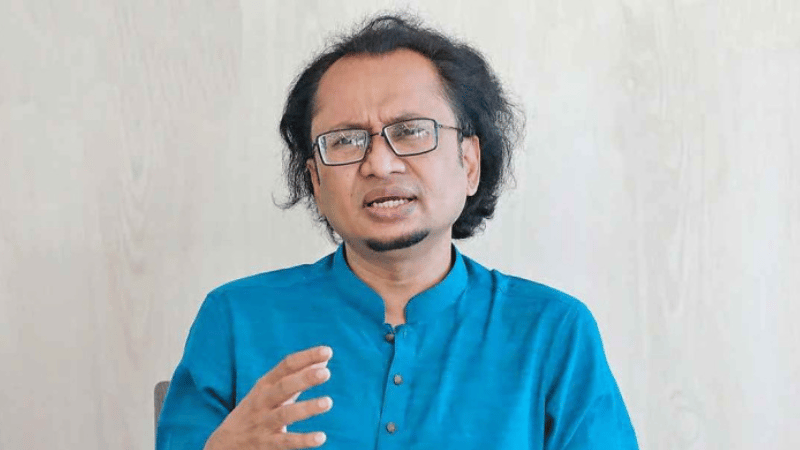
Bangladesh’s government is taking a hardline approach against media disinformation, according to Prime Minister’s Information and Broadcasting Adviser Dr. Zahed Ur Rahman. During a press briefing at the Secretariat on Tuesday, he declared that his office would reject any press credentials or media access based on false or misleading reporting.
“We will take a strong stance on this. We will not accept disinformation-based photocards from the media,” Dr. Rahman told journalists, emphasizing that the government would maintain strict oversight on media credentialing processes.
The adviser expressed confidence that these measures would help curtail the spread of disinformation in Bangladesh’s media landscape. He outlined a comprehensive strategy that includes investigating previous incidents, apprehending individuals responsible for spreading false information, and ensuring appropriate legal consequences.
This announcement comes amid growing concerns about the quality and reliability of information in Bangladesh’s increasingly fragmented media environment. The country has seen a proliferation of online news portals and social media channels in recent years, challenging traditional media verification standards.
Media rights observers have noted that while fighting disinformation is necessary, such policies must be implemented with transparent guidelines to avoid potential misuse that could restrict legitimate journalism or criticism of government actions.
Addressing another sensitive issue, Dr. Rahman discussed the current state of militancy in Bangladesh, rejecting what he described as two extreme narratives circulating domestically and internationally.
“Some claim Bangladesh is overrun with militants, while others insist there are no militants at all. Both are incorrect,” he stated. The adviser acknowledged that militancy tendencies exist among certain individuals in the country, but assured that security forces are actively working to prevent extremist groups from becoming more operational.
Bangladesh has faced periodic threats from militant organizations over the past decade, including attacks on secular bloggers, foreign nationals, and religious minorities. The government has responded with counter-terrorism operations, but international security analysts continue to monitor the situation closely, particularly regarding potential regional extremist connections.
During the briefing, Dr. Rahman also addressed recent concerns about the country’s measles vaccination program. When questioned by a journalist, he agreed that negligence in vaccine management warranted accountability, suggesting that officials responsible for lapses would face consequences.
This comes after reports of vaccine shortage and distribution problems in several districts, raising public health concerns in a country where childhood immunization has otherwise been considered a success story. The World Health Organization has previously praised Bangladesh for its vaccination coverage rates, making the current challenges particularly concerning for public health officials.
The government’s multi-pronged approach to information management, security challenges, and public health reflects the complex governance landscape in Bangladesh, where the administration is attempting to balance development priorities with institutional accountability.
Media organizations in Bangladesh will now need to navigate these stricter information guidelines while maintaining their journalistic integrity and public service role. Press advocates have called for clear protocols regarding what constitutes “disinformation” to ensure that legitimate investigative reporting and government accountability mechanisms remain protected.
As these policies take effect in the coming weeks, observers will be watching closely to see how they impact Bangladesh’s media environment and the broader information ecosystem that shapes public discourse in the South Asian nation.
Fact Checker
Verify the accuracy of this article using The Disinformation Commission analysis and real-time sources.

9 Comments
Interesting move by the Bangladeshi government to crack down on media disinformation. Maintaining credibility and trust in the press is critical, though the approach seems quite heavy-handed. I wonder how they’ll balance oversight with press freedoms.
Disinformation is a serious problem, but I’m concerned that this approach could set a dangerous precedent for government overreach. The media plays a vital role in a healthy democracy, and I hope the authorities can find more constructive ways to address misinformation without undermining that.
Disinformation is a growing problem globally, so I understand the government’s desire to address it. However, media regulation is a delicate balance, and overzealous crackdowns can backfire. Constructive dialogue with the press industry may yield better solutions.
This is a complex issue without easy solutions. While combating disinformation is important, I hope the government’s approach doesn’t veer into censorship or unfairly target legitimate news sources. Transparency and due process will be key.
You raise a fair point. The government will need to walk a fine line to address disinformation effectively while preserving press freedoms. Oversight mechanisms that are clear and impartial will be crucial.
While I understand the motivation behind this crackdown, I worry that it may do more harm than good in the long run. Repressing the media, even in the name of combating disinformation, can erode public trust and lead down a slippery slope. A more collaborative approach might yield better results.
While I agree that disinformation needs to be tackled, stripping media outlets of credentials seems like a heavy-handed approach that could undermine press freedoms. I hope the government can find more nuanced ways to uphold journalistic standards without resorting to such blunt measures.
This is a challenging issue without easy answers. I’m curious to see how the Bangladeshi government’s strategy unfolds and whether they can strike the right balance between combating disinformation and protecting press freedoms. Transparent, inclusive policymaking will be key.
Curbing the spread of false information in the media is a noble goal, but the implementation details will be critical. I hope the Bangladeshi government can find ways to uphold journalistic integrity without unduly restricting the free flow of information.