


Listen to the article
Green Energy Under Fire: Debunking Claims of Economic Failure
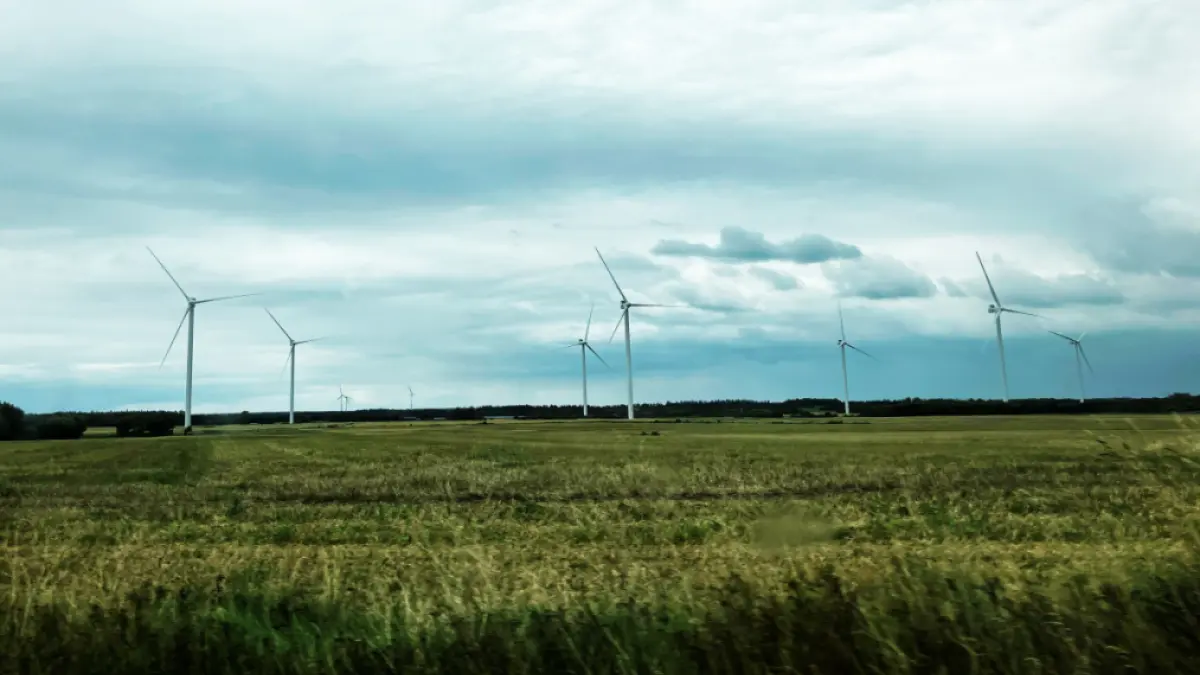
Renewable energy initiatives, particularly wind power, have become the target of increasing criticism from prominent political figures, despite evidence of their growing efficiency and economic viability. Recent claims by Donald Trump and Romanian political figure Călin Georgescu suggesting wind energy is economically disastrous represent the latest salvo in what energy experts identify as “energy populism” – a political strategy that makes demagogic promises about energy costs to gain popular support.
During his appearance at Davos, former U.S. President Donald Trump called green energy “the biggest scam in the world,” claiming China makes money selling wind turbines but doesn’t use them domestically. Similarly, Georgescu has asserted that “wind turbines don’t produce energy” and account for just “0.01 percent” of energy production, while suggesting Romania could provide fuel at drastically reduced prices.
These claims, however, contradict established industry data. Wind turbines generate electricity through mechanical and electromagnetic conversion of wind’s kinetic energy, and modern 3 MW turbines can power approximately 1,500 homes annually. Installation and maintenance costs have fallen by more than 50% since 2008, making wind energy competitive with or cheaper than fossil fuels in many regions.
The claim that wind energy constitutes only 0.01% of energy production is demonstrably false. Official data shows wind energy comprises approximately 18% of Romania’s national energy mix, similar to the European Union average. In the United States, wind energy exceeds 10% of total production.
Trump’s assertion about China’s lack of wind farms is particularly misleading. Far from avoiding wind power, China is currently the world’s largest producer of wind energy, operating some of the planet’s largest wind farms.
Regarding fuel prices, Georgescu’s promise of gasoline at one leu (approximately 20 cents) per liter ignores basic economic realities. Even if crude oil were free, final prices could not drop below several lei due to refining, transportation, distribution costs, and profit margins. In Romania and across the European Union, taxes constitute 45-65% of gasoline prices, compared to roughly 15% in the United States.
The critique of renewable energy often masks direct economic interests from the fossil fuel industry, which faces existential challenges from the transition to sustainable energy sources. Regional concerns also play a role, as areas dependent on coal or gas mining fear economic decline and job losses.
Energy policy has increasingly become weaponized as a geopolitical tool. Major fossil fuel exporters like Russia see their power diminished by the rise of renewable energy. Vladimir Putin has openly mocked European efforts to reduce dependence on Russian fossil fuels through green energy transition, calling it “sad.”
In the United States, Trump’s previous administration took numerous steps against climate initiatives, including canceling clean energy projects, dismissing environmental scientists, and withdrawing from the Paris Climate Agreement. As the world’s second-largest carbon emitter after China, U.S. climate policy has global implications.
The narrative against wind energy often incorporates environmental concerns about bird mortality, noise pollution, or land use. However, these arguments frequently overlook context—modern turbines operate quietly at 40-50 decibels (similar to refrigerators), occupy only about 1% of wind farm land area, and pose far less threat to wildlife than pollution, tall buildings, or traffic.
As renewable energy technology continues to advance and costs decrease, the economic argument against wind power appears increasingly driven by political positioning rather than substantive economic analysis. The ongoing debate reflects deeper tensions between established energy interests and the global push toward sustainable alternatives in addressing climate change.
Fact Checker
Verify the accuracy of this article using The Disinformation Commission analysis and real-time sources.

8 Comments
While the economic challenges facing green energy initiatives are worth discussing, I’m troubled by the inflammatory rhetoric used by some politicians to dismiss these technologies outright. A more balanced, fact-based approach is needed to have a productive dialogue on this important issue.
It’s interesting to see the debate around the economic viability of green energy initiatives. While the claims made by Trump and Georgescu seem politically motivated, we should still carefully examine the data and evidence on both sides. The costs and benefits of renewable energy are complex and evolving.
While the economic challenges of green energy are worth examining, I’m wary of sweeping generalizations that dismiss its potential. The renewable energy sector is rapidly evolving, and we should avoid knee-jerk reactions that overlook its long-term viability and environmental benefits.
This is a complex issue without easy answers. I think it’s important to objectively weigh the evidence from multiple perspectives before drawing conclusions. Renewable energy may face some economic hurdles, but dismissing it outright seems premature given its growing role in the global energy mix.
I’m curious to learn more about the specific studies and data referenced in this article. It’s important we don’t get swept up in political rhetoric and instead focus on the objective economic realities of transitioning to renewable energy sources. Careful analysis is needed to move this important discussion forward.
Agreed. Reliable, fact-based information from trusted industry sources will be crucial in assessing the true costs and benefits of green energy initiatives. Politically-charged claims should be met with a healthy dose of skepticism.
It’s concerning to see political figures making such definitive statements about the economic failure of renewable energy without citing credible sources. We should be wary of energy populism that makes sweeping promises without backing them up with solid evidence.
The claims made by Trump and Georgescu seem more politically motivated than grounded in rigorous analysis. As an investor, I’m interested in seeing the actual studies and data referenced in this article to form my own assessment of the economic realities facing green energy initiatives.