


Listen to the article
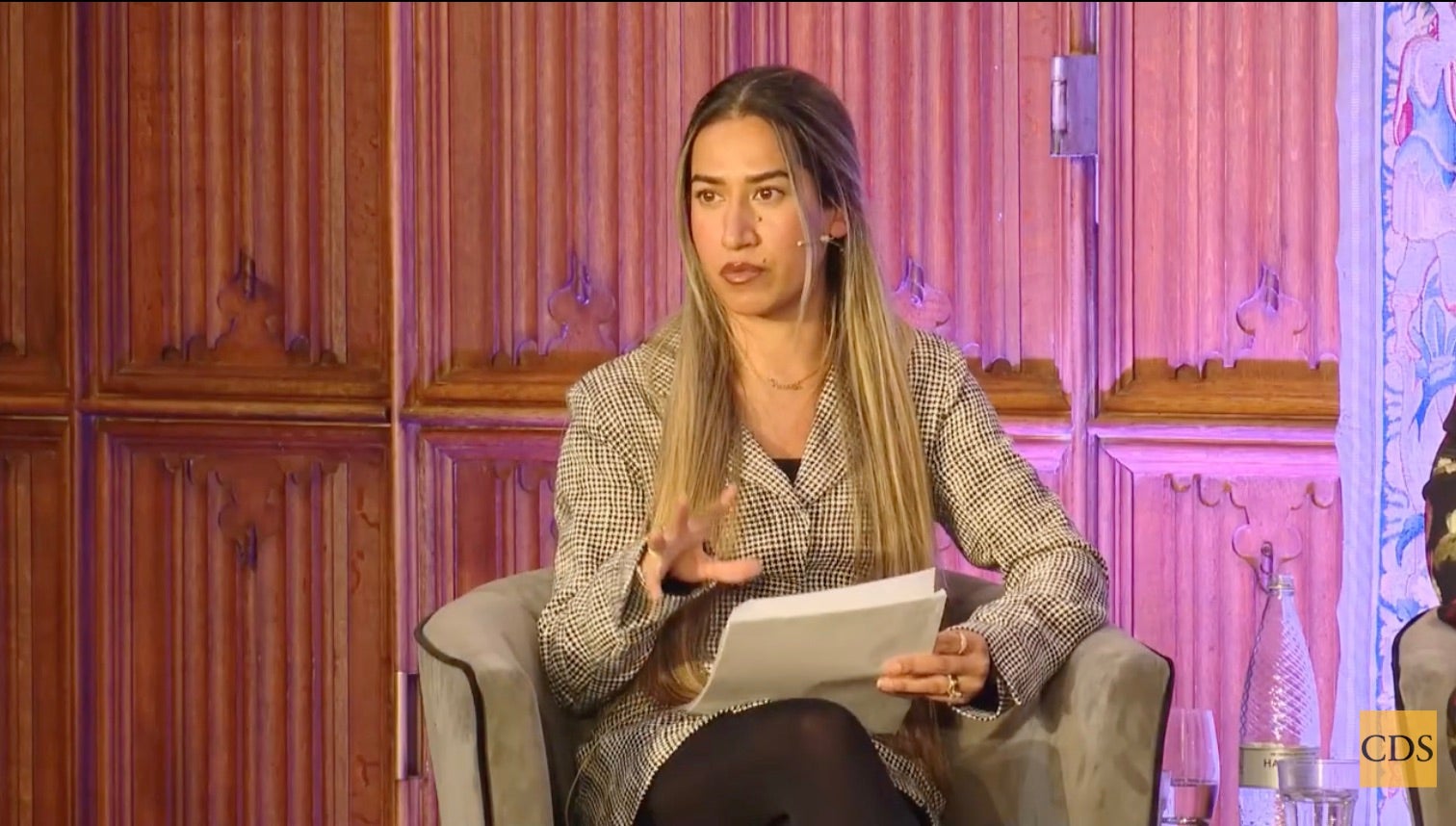
In a significant address at the 2026 Cambridge Disinformation Summit, the Associate Director of Bridge Initiative highlighted the pervasive role of discrimination in propagating Islamophobic narratives online. The presentation emphasized that harmful anti-Muslim content is not merely confined to extremist corners of the internet but is actively amplified by mainstream political figures and established media organizations.
The Bridge Initiative, a research project based at Georgetown University that focuses on Islamophobia, has been tracking the evolution and spread of anti-Muslim sentiment across digital platforms and traditional media channels. According to the Associate Director, discriminatory practices have become systematically embedded in how information about Islam and Muslims is shared, contextualized, and consumed online.
“What we’re witnessing isn’t simply isolated incidents of prejudice,” the Associate Director explained during the panel discussion on harms to targeted communities. “There’s a concerning pattern where false narratives about Muslims are legitimized through their repetition by trusted information sources.”
The presentation detailed how algorithmic recommendations on social media platforms often contribute to the problem by creating echo chambers that reinforce existing biases. These technological systems can rapidly transform localized misconceptions into widely accepted falsehoods about Muslim communities.
The summit, bringing together experts from academia, tech companies, policy circles, and civil society organizations, has become a prominent forum for addressing the growing challenge of disinformation in the digital age. This year’s focus on targeted communities highlighted the disproportionate impact of online falsehoods on religious and ethnic minorities.
Of particular concern to researchers is how seemingly credible sources—including elected officials, mainstream news outlets, and public commentators—sometimes inadvertently or deliberately spread misleading characterizations of Muslim beliefs and practices. This “mainstream legitimization” was identified as especially damaging because it provides a veneer of credibility to discriminatory narratives.
“When respected institutions participate in spreading these narratives, it becomes increasingly difficult for the general public to distinguish between fact and fiction,” noted another panelist from a digital rights organization who joined the discussion.
The presentation included examples of how sensationalist coverage of isolated incidents involving Muslims often leads to broad generalizations about the entire faith community, reinforcing stereotypes that have real-world consequences for Muslim individuals and organizations.
Social media platforms have struggled to address this form of disinformation, which often skirts the line between protected speech and harmful content. While many platforms have policies against hate speech, the nuanced nature of Islamophobic content—particularly when it comes from mainstream sources—presents significant moderation challenges.
The Cambridge Disinformation Summit has gained prominence in recent years as societies grapple with the far-reaching implications of digital misinformation. This year’s event drew participants from over 40 countries, reflecting the global nature of the challenge.
The Bridge Initiative’s participation underscores the growing recognition that disinformation doesn’t affect all communities equally. Muslim communities, alongside other minority groups, often bear a disproportionate burden of harmful online content, which can translate into real-world discrimination, harassment, and even violence.
Experts at the summit called for a multi-faceted approach to addressing Islamophobic disinformation, including greater media literacy education, more transparent content moderation policies, and increased representation of Muslim voices in media and technology sectors.
“We need to recognize that fighting disinformation isn’t just about fact-checking,” the Bridge Associate Director concluded. “It’s about understanding the structural factors that allow discriminatory narratives to flourish and addressing those root causes.”
The summit continues through the week, with additional sessions focused on election integrity, health misinformation, and emerging technologies like artificial intelligence that present both challenges and opportunities for combating disinformation.
Fact Checker
Verify the accuracy of this article using The Disinformation Commission analysis and real-time sources.

7 Comments
This is an important issue that deserves greater attention. Disinformation and biased narratives can have serious consequences for targeted communities. Fact-checking and media literacy are crucial to combat these harmful trends.
The findings from the Bridge Initiative are alarming. Systematic biases in how information about minority groups is shared and consumed online is a serious problem that requires urgent solutions.
Absolutely. Algorithms and information flows need to be designed with more care and oversight to prevent the amplification of harmful narratives. Diversity and inclusion in media and technology are crucial.
The normalization of prejudiced views through repetition in mainstream sources is a concerning trend. More rigorous fact-checking and ethical media practices are essential to counter this problem.
This panel sheds important light on the real-world harms caused by the spread of disinformation. Protecting vulnerable communities from these damaging effects should be a top priority.
The panel highlights how anti-Muslim sentiment is being amplified across mainstream media and by political figures. This is deeply concerning and speaks to the need for more accountability and ethical practices in journalism and public discourse.
Agreed. Discrimination and prejudice should not be given a platform, even inadvertently. Responsible reporting and nuanced discussion are essential to address these complex issues.