


Listen to the article
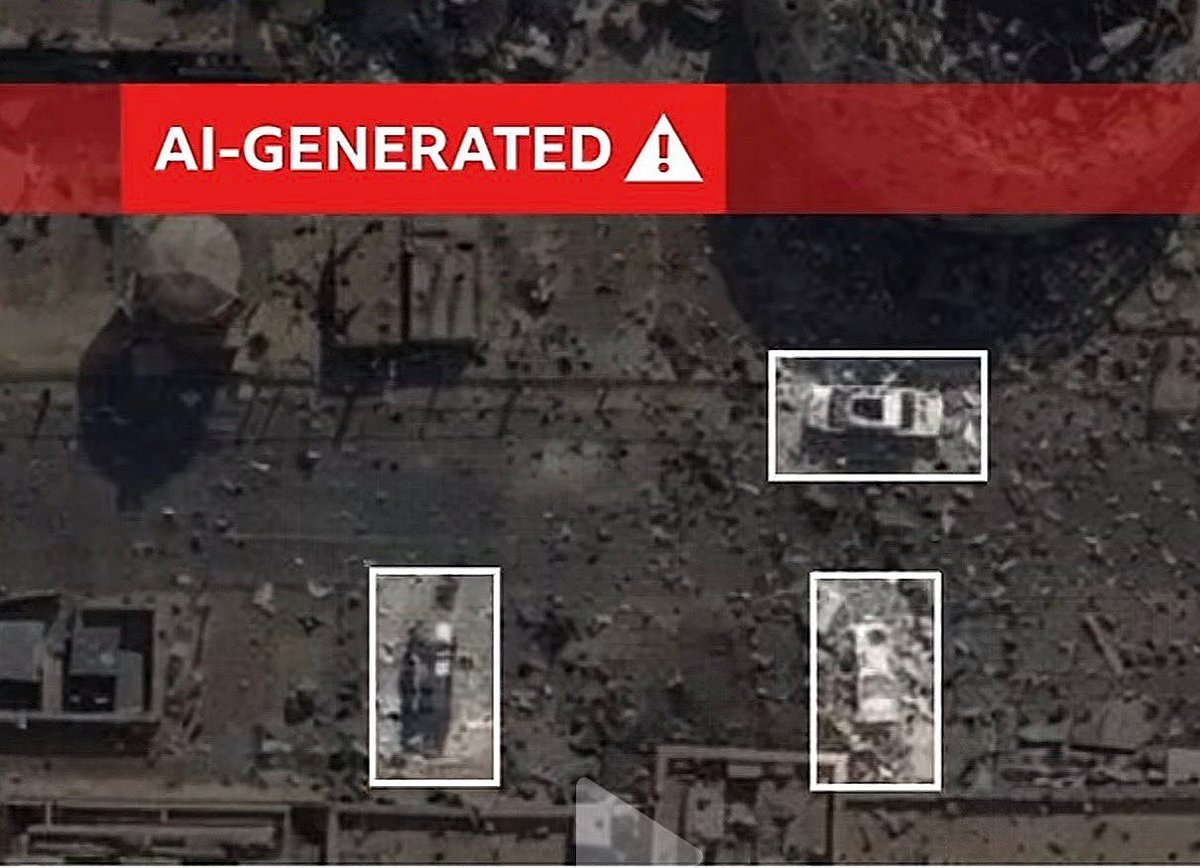
Artificial intelligence-generated satellite images depicting missile launch preparations and military activity have fueled a wave of disinformation regarding potential conflict between the United States and Iran, security experts warn.
In recent weeks, social media platforms have seen a proliferation of fabricated satellite imagery showing what appears to be Iranian missile installations and U.S. aircraft carriers in provocative positions. These sophisticated forgeries, created using AI image generation tools, have been widely shared, particularly following heightened tensions in the Middle East.
“What we’re witnessing is a dangerous new frontier in conflict disinformation,” said Dr. Emma Thorpe, senior analyst at the Digital Forensics Research Institute. “These AI-generated images are increasingly difficult to distinguish from authentic satellite imagery, especially for the average social media user who might not know what technical details to look for.”
One widely circulated image purported to show Iranian missile launchers being positioned near the Strait of Hormuz, a critical maritime chokepoint through which approximately 20% of global oil shipments pass. The image, which included convincing details such as vehicle tracks and tactical positioning, was shared thousands of times before being identified as a forgery by open-source intelligence analysts.
Security officials note that the timing of these fabricated images aligns with genuine diplomatic tensions between Washington and Tehran, making the disinformation particularly potent. The false imagery appeared shortly after real reports of naval maneuvers in the Persian Gulf, effectively blurring the line between actual events and manufactured scenarios.
“The concern isn’t just about public confusion,” explained Robert Calhoun, former intelligence officer and current cybersecurity consultant. “These fabrications can influence market volatility, particularly in energy sectors, and potentially provoke hasty responses from military or political leadership if not quickly identified as fake.”
Oil prices experienced brief fluctuations last week when particularly convincing AI-generated imagery showing an alleged confrontation between U.S. and Iranian naval vessels circulated on financial news forums. Though markets stabilized after official denials, experts point to this incident as evidence of the economic impact of sophisticated visual disinformation.
Tech platforms including Twitter, Facebook, and Telegram have struggled to contain the spread of these fabricated images. Despite implementing AI detection tools, the rapid evolution of image generation technology has created a persistent cat-and-mouse game between platform safety teams and those spreading false content.
“We’re dealing with increasingly sophisticated adversaries,” said Melissa Feng, spokesperson for the Coalition Against Digital Manipulation. “Some of these images incorporate authentic metadata and mimic the specific visual signatures of known satellite providers like Maxar or Planet Labs, making them particularly convincing.”
Military analysts warn that the phenomenon represents a troubling development in information warfare. Unlike cruder forms of propaganda, these AI-generated satellite images target military and intelligence communities directly, potentially influencing assessment of genuine threats.
The Pentagon has acknowledged the challenge, with spokesperson Major James Rollins stating that defense intelligence has “enhanced verification protocols” to authenticate satellite imagery and prevent decision-making based on fabricated content. However, he declined to elaborate on specific countermeasures, citing security concerns.
Iran’s permanent mission to the United Nations issued a statement condemning the fabricated imagery, calling it “psychological warfare designed to create false pretexts for aggression” against the country.
The phenomenon highlights the broader challenge of maintaining factual integrity in an era of increasingly sophisticated AI tools. Media literacy experts emphasize the importance of source verification, particularly for content showing potential military escalations.
“The public needs to approach any high-stakes imagery with healthy skepticism,” advised Dr. Thorpe. “Check whether reputable news organizations have independently verified the images, look for official statements from relevant governments, and be particularly cautious of dramatic ‘breaking’ visual content during periods of international tension.”
As AI image generation capabilities continue to advance, security analysts predict that distinguishing between authentic and fabricated satellite imagery will become increasingly challenging, requiring both technological solutions and greater public awareness to mitigate the potential for manipulation and escalation.
Fact Checker
Verify the accuracy of this article using The Disinformation Commission analysis and real-time sources.

10 Comments
The potential for these AI-generated images to fuel false narratives and escalate tensions is truly alarming. We must remain vigilant and rely on authoritative, well-vetted sources when it comes to sensitive geopolitical and military information.
Well said. The stakes are high, and we can’t afford to let disinformation campaigns undermine our understanding of critical global issues. A robust response is needed to counter this emerging threat.
Fascinating how AI can generate such realistic-looking satellite imagery. But we must be vigilant about verifying the source and accuracy of such visuals, especially when they could potentially stoke geopolitical tensions. Fact-checking is crucial to avoid falling for disinformation campaigns.
I agree, the sophistication of these AI-generated images is quite concerning. We must rely on authoritative, trusted sources when it comes to sensitive military and security issues.
I’m curious to learn more about the technical details that can help identify these AI-generated forgeries. It’s important for the public to understand the warning signs and how to spot manipulated imagery, especially on sensitive geopolitical issues.
That’s a great point. Educating the public on digital forensics and image authentication techniques could go a long way in building resilience against this type of disinformation.
As the article highlights, these AI-generated satellite images pose a serious threat to national security and global stability. I hope policymakers and tech companies work quickly to develop robust detection methods and public awareness campaigns to address this emerging challenge.
I share your concerns. This is a complex issue that will require a multi-pronged approach, with collaboration between government, industry, and the public. Staying vigilant and proactive is crucial.
This is a troubling development – the ability to create fake satellite imagery that could mislead the public and policymakers. It underscores the need for greater digital media literacy and rigorous verification processes, especially around topics related to national security.
Absolutely. With the proliferation of AI tools, the potential for malicious actors to spread disinformation is growing rapidly. Vigilance and critical thinking will be key to countering these threats.