


Listen to the article
The constitutional right to information in the Philippines faces a significant gap between its legal standing and practical implementation, creating an environment ripe for disinformation, according to legal scholars and recent government proceedings.
The 1987 Philippine Constitution established the right to information as a fundamental tool for journalistic and academic inquiry, meant to empower citizens in monitoring government actions. This right is enshrined in two key provisions: Article III, Section 7, which guarantees access to official records and documents pertaining to government transactions, and Article II, Section 28, which commits the state to full public disclosure of all transactions involving public interest.
In the landmark Chavez vs. Public Estates Authority case (2002), the Supreme Court provided clarity on these provisions, stating they “seek to promote transparency in policy-making and in the operations of the government, as well as provide the people sufficient information to exercise effectively other constitutional rights.” The Court emphasized that without such disclosure, public discourse would remain merely “speculative and amount to nothing.”
Despite this strong constitutional foundation, implementation has been problematic. Recent hearings at the Committee on Justice regarding Vice President Sara Duterte’s impeachment, particularly testimony from the Anti-Money Laundering Council, highlighted the persistent challenges in accessing government information.
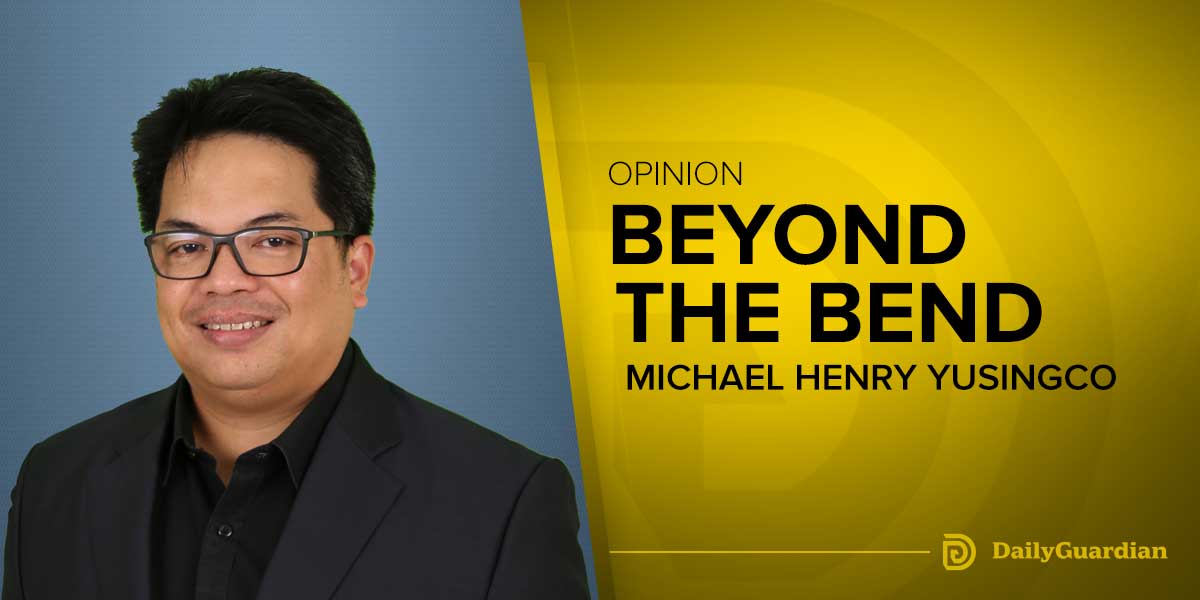
Legal expert Michael Henry Yusingco argues that this implementation gap has become “one of the quiet drivers of distrust in our information ecosystem—and a fertile condition for disinformation to thrive.” The relationship between information access and disinformation is not coincidental but causal: when verification becomes costly, delayed, or inaccessible, citizens resort to shortcuts rather than evidence-based reasoning.
Disinformation thrives not simply because falsehoods exist but because the environment makes verification difficult. When official records remain inaccessible, speculation fills the void. Those who deliberately spread false information exploit this ambiguity, finding it easier to distort partial records than complete ones and to sustain conspiracy narratives when official accounts cannot be independently verified.
“Weak enforcement of access rights does not merely fail to counter disinformation—it actively conditions the environment in which disinformation becomes persuasive,” notes Yusingco.
More robust implementation of information rights would require government agencies to proactively publish datasets, contracts, and decisions in accessible formats. This approach would reduce the need for individual information requests while narrowly defining exceptions that would be subject to independent review.
Accountability measures would also be essential, with compliance becoming measurable and enforceable rather than dependent on administrative discretion. While such reforms would not eliminate disinformation entirely, they would significantly constrain the space where unverifiable claims flourish.
The Supreme Court’s position in the Chavez decision underscores the democratic importance of this right: “Armed with the right information, citizens can participate in public discussions leading to the formulation of government policies and their effective implementation. An informed citizenry is essential to the existence and proper functioning of any democracy.”
As the Philippines continues to combat the spread of disinformation, particularly in its political sphere, strengthening the practical implementation of the constitutional right to information represents a crucial but often overlooked strategy. By closing the gap between constitutional intent and governmental practice, the country could significantly enhance its resilience against false information while strengthening democratic participation.
Fact Checker
Verify the accuracy of this article using The Disinformation Commission analysis and real-time sources.

11 Comments
This highlights the delicate balance governments must strike between upholding information rights and addressing the very real threat of disinformation. Strengthening transparency and civic engagement is crucial, but must be done in a way that doesn’t enable the spread of falsehoods.
Exactly. It’s a difficult tightrope to walk. Finding the right policies and practices to protect information rights while combating disinformation will require input from diverse stakeholders and careful, evidence-based policymaking.
This is an important issue that strikes at the heart of a well-functioning democracy. Ensuring the public’s right to access government information is crucial for informed decision-making and combating the spread of disinformation.
Agreed. Bridging the gap between legal guarantees and practical implementation will require sustained effort and commitment from all stakeholders. Hopefully this case will lead to meaningful reforms.
The Philippines’ experience with the disconnect between legal guarantees and practical implementation of information rights is concerning. Disinformation can thrive in such an environment, undermining public trust and democratic discourse. Addressing this challenge will be critical.
I agree. Bridging that gap and ensuring meaningful access to government information should be a priority. Curious to see what specific reforms or initiatives the Philippine government and civil society pursue to strengthen transparency and counter disinformation.
The conflict between information rights and disinformation is a complex challenge. On one hand, the public deserves transparency and access to official records. On the other, unchecked spread of false narratives can undermine faith in institutions. A nuanced approach is needed.
You raise a good point. Balancing information rights with the need to counter disinformation is tricky. Policymakers will have to carefully consider how to uphold democratic principles while also safeguarding the public discourse.
The right to information is crucial for public discourse and accountability. However, as this article notes, there’s a concerning gap between the legal standing and practical implementation of this right in the Philippines. Disinformation thrives in such an environment.
You’re right, transparency and access to information are vital democratic principles. It will be interesting to see how the government and civil society work to address this disconnect and strengthen information rights.
This is a complex issue that touches on fundamental questions of democratic rights and the public’s ability to hold government accountable. Ensuring information access while also curbing disinformation requires a nuanced, multi-faceted approach.