


Listen to the article
Global Press Freedom Faces Critical Challenges, UNESCO Report Warns
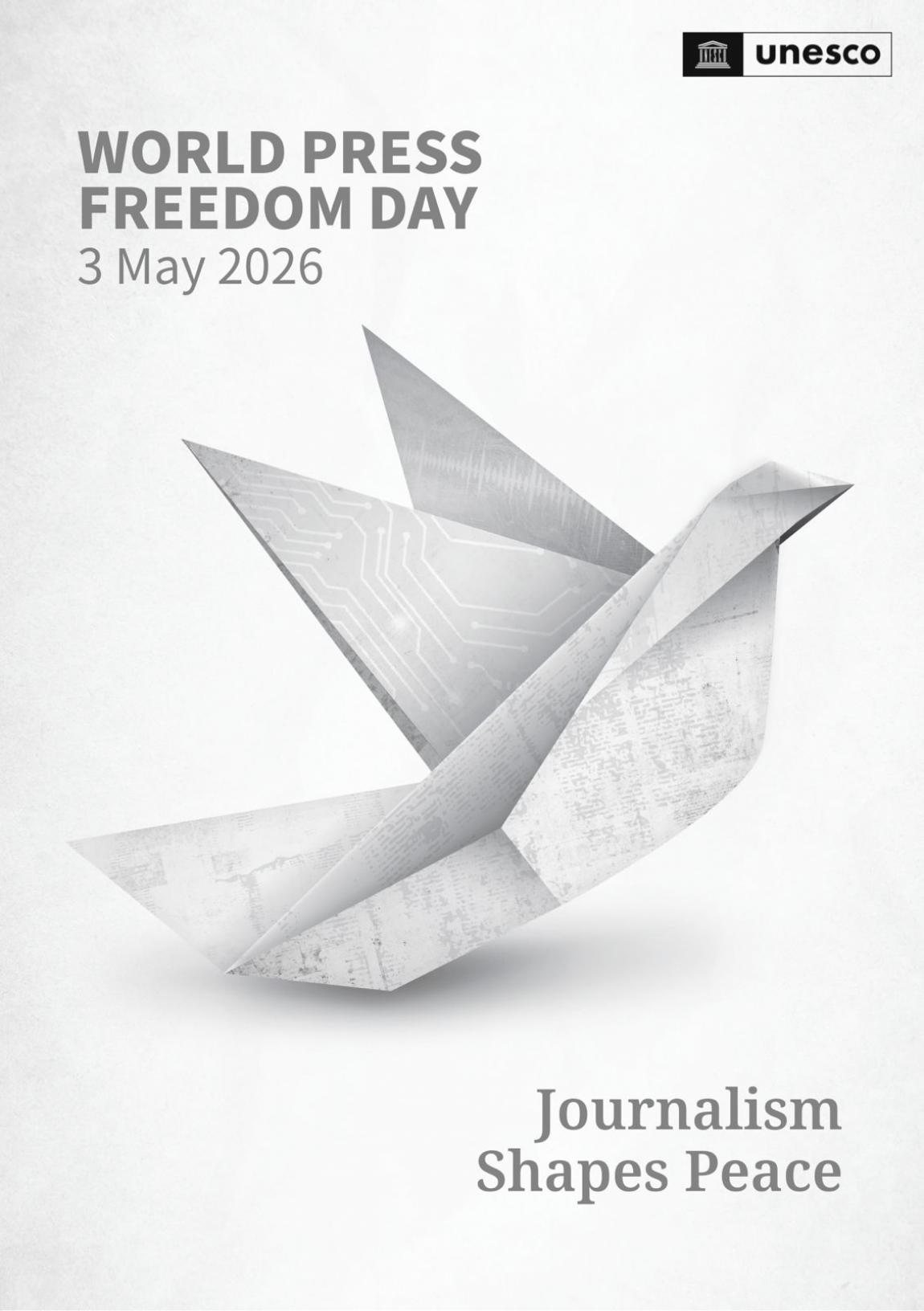
Jordan joins the global media community in marking World Press Freedom Day amid growing concerns over journalism’s future. This observance comes as UNESCO’s latest report on global trends in freedom of expression and media development highlights an alarming worldwide decline in press freedoms and media independence.
The report characterizes current trends as a historic shift, noting that declines in freedom of expression of this magnitude have rarely been recorded except during extraordinary periods like the World Wars and Cold War. These developments raise profound concerns about both journalist safety and public access to reliable information.
Between 2022 and 2025, the media landscape underwent significant transformation. The global freedom of expression index has declined by 10% since 2012, while self-censorship among media professionals has reached an alarming 63%. Control over media outlets by governments and powerful actors increased by 48%, affecting newspapers, radio stations, and digital platforms. Academic and artistic freedoms have simultaneously decreased by 37%.
The human cost of journalism remains tragically high. According to UNESCO data, 310 journalists have been killed from early 2022 through September 2025, including 24 women. Of these, 162 were killed while covering armed conflicts. In 2024 alone, 82 journalists lost their lives. Additionally, at least 46 journalists have been killed since 2010 because of their reporting on climate and environmental issues.
The exceptional electoral cycle of 2024, which saw elections in 72 countries affecting approximately 3.7 billion people, brought additional challenges. A UNESCO and Ipsos survey covering 16 countries that held elections found that roughly 9 in 10 respondents expressed concern about disinformation’s impact on electoral integrity and outcomes. About 67% of internet users in these countries reported exposure to direct hate speech on digital platforms.
UNESCO’s report also notes the troubling convergence of hate speech and disinformation, increasingly manifesting as false claims, demonization, dehumanization, and direct incitement to violence.
Women journalists face particularly severe threats. Citing research by the International Center for Journalists and UN Women, the report reveals that a 2020 survey of 901 women journalists found 73% had experienced online attacks, with 20% reporting offline abuse linked to online violence. By 2025, 42% of women journalists reported that digital attacks led to offline assaults or threats—double the rate reported just five years earlier.
The media landscape faces additional challenges from technology giants and artificial intelligence. A survey of approximately 4,000 people across four countries showed that while 97% of respondents claimed at least basic understanding of artificial intelligence, over 40% reported using AI to create general content, and nearly one-third specifically for online content. The report cautions that these technologies risk further marginalizing professional journalism while increasing reliance on algorithm-driven content.
Despite these concerning trends, some positive developments offer hope. The digital revolution has enabled roughly 1.5 billion additional people to access information through social media between 2020 and 2025. Investigative journalism has grown, with increased cross-border collaboration and greater use of paid audience subscriptions as a sustainability model. Additionally, 96 out of 194 countries now recognize community media in their legal frameworks, supporting media pluralism and diversity, while 140 UN Member States have adopted legal guarantees for public access to information.
Ahead of its global World Press Freedom Day conference in Lusaka, Zambia, UNESCO called on governments, civil society, and the international community to renew their commitment to independent journalism and information freedom. The organization emphasized that policies related to peace, security, or recovery must prioritize information integrity and media freedom, warning that the decline of independent journalism creates space for corruption and reduced accountability.
UNESCO has also highlighted the need for sustainable funding for media institutions, noting that just 15 days of global military spending would equal the investment needed to support journalism worldwide for a full year.
UNESCO Director General Dr. Khaled El Enany underscored the crisis: “Newsrooms around the world are facing an existential threat as they struggle to cover their costs, even though they remain the last line of defense for citizens against manipulation and division in the age of digital disinformation. Free and accurate information is a public good, and I call on Member States and all our partners to invest in journalism as a key driver of peace.”
Fact Checker
Verify the accuracy of this article using The Disinformation Commission analysis and real-time sources.

13 Comments
The scale of the decline in media freedoms worldwide is truly alarming. This threatens our ability to access reliable, fact-based information – a core requirement for healthy democracies. Concerted action is needed to reverse these worrying trends.
The findings in this UNESCO report are truly troubling. The historic decline in press freedoms and rise in disinformation campaigns pose severe risks to public discourse and trust in institutions. Robust action is needed to address these threats.
This UNESCO report paints a stark picture of the global assault on media freedoms. The erosion of press independence and the spread of state-sponsored disinformation are deeply worrying developments. Protecting journalists and upholding democratic values must be a priority.
I agree completely. A free and independent press is the cornerstone of a healthy democracy. Urgent steps are needed to counter the alarming trends outlined in this report and safeguard the vital role of journalism.
It’s disheartening to see the steep decline in global press freedoms documented in this report. Journalism plays a vital role in holding power to account and informing the public. We need robust protections for media workers.
Absolutely. Press freedom is a fundamental pillar of democracy. The concerning trends outlined in this UNESCO report underscore the urgent need to reinforce legal and institutional safeguards for journalists.
This UNESCO report lays bare the grave threats facing the global media landscape. The rise in disinformation and state control over news outlets is deeply concerning. Protecting press freedoms must be a top priority.
Agreed. Independent, fact-based journalism is crucial for a functioning democracy. Urgent steps are needed to safeguard media pluralism and the free flow of information.
This UNESCO report highlights the grave threats to media independence and transparency globally. Governments and powerful interests seem intent on restricting the free flow of information – that’s a dangerous path.
I agree, the rise in self-censorship and state control of media outlets is extremely alarming. Safeguarding press freedom must be a key focus going forward.
The UNESCO data reveals a deeply concerning global trend of declining media freedoms and the growing threat of disinformation. This undermines the public’s access to reliable information and puts journalists at risk. Protecting press freedom must be a top priority.
Concerning to see such a dramatic decline in media freedoms worldwide. Independent journalism is vital for democracy and public discourse. Increased state control over media outlets is especially troubling.
You’re right, the erosion of press freedoms is very worrying. Protecting journalists and ensuring access to reliable information should be a top priority.