


Listen to the article
Pakistani Leaders Emphasize Press Freedom, Fight Against Disinformation on World Press Freedom Day
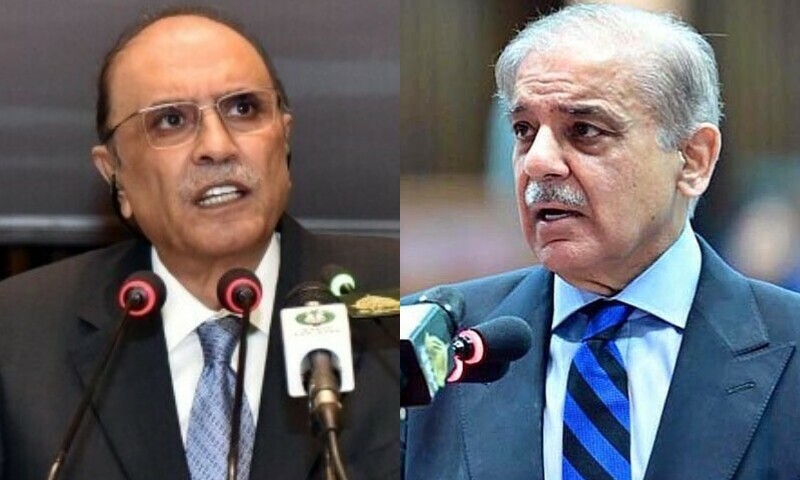
President Asif Ali Zardari and Prime Minister Shehbaz Sharif marked World Press Freedom Day with strong statements supporting journalistic independence while warning against the growing threat of disinformation in Pakistan and globally.
In his address, President Zardari emphasized the fundamental connection between truth and peace, stating that journalism serves as a cornerstone for transparency and accountability in democratic societies. “Free journalism is indispensable for an informed and functional democratic society,” Zardari said, highlighting the essential role media plays in Pakistan’s governance system.
The President expressed particular concern about the global rise in disinformation campaigns that he believes are undermining democratic dialogue. He noted that journalists in many countries face increasing harassment and pressure, creating an environment where media freedom is under threat. Zardari specifically mentioned the irresponsible use of social media platforms as a worrying trend contributing to the spread of false information.
In what appeared to be a reference to international criticism, Zardari claimed that “organized false campaigns” are being run against Pakistan. However, he praised national unity for successfully countering such attempts and commended the media for responding to misinformation with factual reporting.
Prime Minister Shehbaz Sharif’s message complemented the President’s remarks, as he paid tribute to media professionals across Pakistan and worldwide. The Prime Minister characterized journalism not merely as a profession but as a calling that carries significant social responsibility.
“Timely, accurate, and unbiased reporting is the foundation of an informed society,” Sharif stated, emphasizing that journalists serve as custodians of social values beyond their professional duties. He added that responsible journalism promotes peace, stability, and better public understanding—critical elements for Pakistan’s development.
The Prime Minister stressed that journalists deserve to work in safe and dignified environments to perform their duties effectively. His comments come at a significant time for Pakistani media, which has faced challenges including economic pressures, physical threats to journalists, and increasing government regulation in recent years.
Sharif reaffirmed Pakistan’s commitment to dialogue and peaceful conflict resolution, noting that media plays a crucial role in promoting national unity and countering misinformation campaigns. He also honored journalists who have lost their lives in the line of duty, acknowledging their sacrifices for strengthening democratic institutions in Pakistan.
These statements from Pakistan’s top leadership come amid ongoing concerns from international press freedom watchdogs about media restrictions in the country. Organizations including Reporters Without Borders have previously expressed concern about press freedom conditions in Pakistan, where journalists have faced various forms of pressure.
World Press Freedom Day, observed annually on May 3, was established by the United Nations General Assembly to raise awareness about press freedom issues globally and to remind governments of their obligation to respect and uphold the right to freedom of expression enshrined in Article 19 of the Universal Declaration of Human Rights.
The Pakistani leaders’ messages reflect the complex media landscape in South Asia, where traditional journalistic values face challenges from digital misinformation, economic pressures on news organizations, and varying degrees of government oversight. Their emphasis on responsible journalism alongside press freedom highlights the delicate balance media professionals must navigate in contemporary Pakistan.
Fact Checker
Verify the accuracy of this article using The Disinformation Commission analysis and real-time sources.

8 Comments
Journalists play a vital watchdog role in any democracy. Ensuring their safety and ability to report freely is essential for maintaining public trust and government accountability.
I’m curious to hear more about the specific measures Pakistan plans to take in order to address the challenge of disinformation and strengthen press freedom in the country.
The connection between truth and peace is an important point raised by President Zardari. Disinformation can sow division and undermine public trust, which is detrimental to a stable and prosperous society.
The rise of social media has certainly amplified the spread of false information. Responsible use of these platforms and strong journalistic integrity are needed to combat this growing threat to democratic discourse.
Journalists facing harassment and pressure is a concerning trend globally. Protecting media freedom and ensuring the safety of reporters is essential for maintaining transparency and accountability in government.
The role of social media in the spread of false information is a complex challenge that many countries are grappling with. Developing effective policies and regulations will be key to finding a solution.
It’s good to see Pakistani leaders emphasizing the importance of press freedom and the fight against disinformation. Accurate and unbiased information from the media is crucial for a healthy democracy.
It’s encouraging to see Pakistani leaders taking a strong stance on press freedom and the fight against disinformation. These are global issues that require coordinated efforts to address effectively.