


Listen to the article
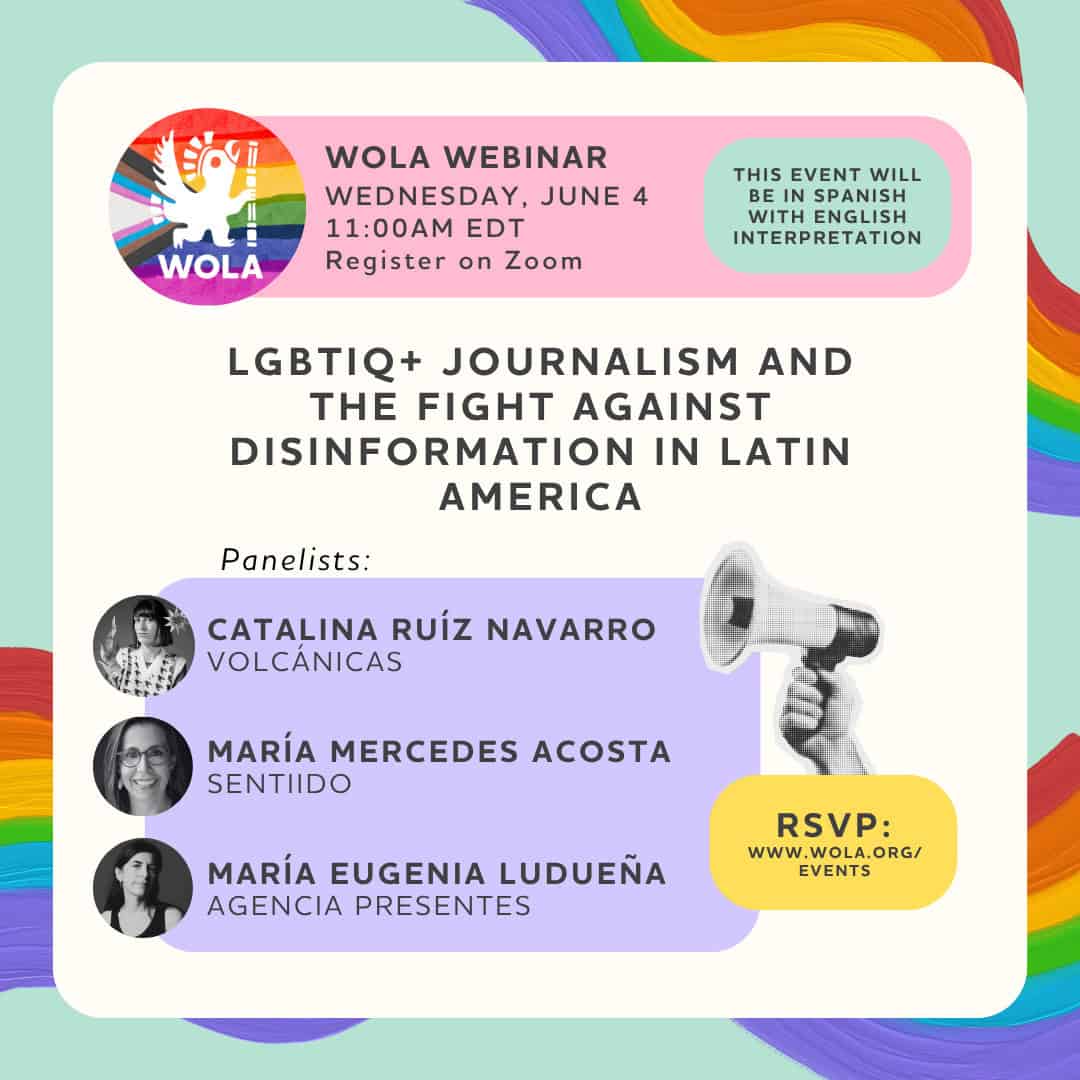
A forthcoming webinar will examine the critical role of LGBTQ+ journalism in Latin America, bringing together prominent voices from the region to discuss how queer media outlets are combating misinformation and reshaping narratives about sexual and gender minorities across the continent.
The online event, which will be conducted in Spanish with English interpretation available, comes at a time when LGBTQ+ communities throughout Latin America continue to face significant challenges in how they are portrayed by mainstream media. Despite growing visibility in recent years, misinformation, harmful stereotypes, and outright invisibility remain widespread problems that affect how these communities are understood and treated by broader society.
According to the organizers, traditional media outlets in Latin America have long struggled with fair and accurate representation of LGBTQ+ issues. This gap has given rise to a new generation of queer journalists and media platforms that have taken matters into their own hands, asserting the right to tell their own stories rather than relying on narratives shaped by others.
The webinar will feature three distinguished panelists who have been at the forefront of this movement. Catalina Ruíz Navarro represents Volcánicas, a feminist media platform that has gained prominence across Latin America for its coverage of gender and sexuality issues. María Mercedes Acosta comes from Sentiido, a Colombian digital media outlet focused on gender diversity and sexual rights that has become a leading voice in the region. Rounding out the panel is María Eugenia Ludueña from Agencia Presentes, a news agency dedicated specifically to covering LGBTQ+ issues throughout Latin America.
These media outlets represent a broader trend across the region where specialized journalism platforms have emerged to fill the void left by mainstream media. Rather than serving as mere information sources, these organizations have positioned themselves as tools for resistance and activism, defending human rights while simultaneously working to establish a more accurate public record about LGBTQ+ lives and experiences.
The panelists are expected to discuss the multifaceted challenges they encounter in their work. Journalists covering LGBTQ+ issues in Latin America often face not only professional obstacles but also personal risks, including harassment, threats, and in some cases, physical violence. Many countries in the region still maintain conservative social attitudes toward sexual and gender minorities, which can make reporting on these topics particularly sensitive.
Beyond safety concerns, these journalists must also navigate the technical challenges of combating misinformation in an era when false narratives can spread rapidly through social media. The rise of digital platforms has democratized information sharing, but it has also created new avenues for spreading harmful myths and stereotypes about LGBTQ+ communities.
The webinar aims to highlight the strategies these media professionals have developed to counter false information and promote more accurate, nuanced coverage of LGBTQ+ issues. This includes fact-checking initiatives, community engagement efforts, and the creation of alternative narratives that center the experiences and voices of LGBTQ+ people themselves.
The significance of this work extends beyond journalism itself. In many Latin American countries, media representation directly impacts public policy debates around LGBTQ+ rights, including discussions about marriage equality, anti-discrimination protections, and gender identity recognition. By shaping how these communities are understood by the general public, queer journalists play an indirect but crucial role in advancing legal and social protections.
The event reflects growing recognition of the importance of diverse voices in media ecosystems across Latin America. As conversations about press freedom, media pluralism, and representation continue to evolve throughout the region, the experiences of LGBTQ+ journalists offer valuable insights into how marginalized communities can use media as a tool for empowerment and social change.
Those interested in attending the webinar can expect a comprehensive discussion that connects individual journalistic practices to broader questions about human rights, democracy, and the power of storytelling in shaping social attitudes toward historically marginalized communities.
Fact Checker
Verify the accuracy of this article using The Disinformation Commission analysis and real-time sources.

17 Comments
Exploration results look promising, but permitting will be the key risk.
Good point. Watching costs and grades closely.
Nice to see insider buying—usually a good signal in this space.
Good point. Watching costs and grades closely.
Good point. Watching costs and grades closely.
Exploration results look promising, but permitting will be the key risk.
Uranium names keep pushing higher—supply still tight into 2026.
Good point. Watching costs and grades closely.
Good point. Watching costs and grades closely.
If AISC keeps dropping, this becomes investable for me.
Good point. Watching costs and grades closely.
Nice to see insider buying—usually a good signal in this space.
Uranium names keep pushing higher—supply still tight into 2026.
Good point. Watching costs and grades closely.
If AISC keeps dropping, this becomes investable for me.
I like the balance sheet here—less leverage than peers.
Good point. Watching costs and grades closely.