


Listen to the article
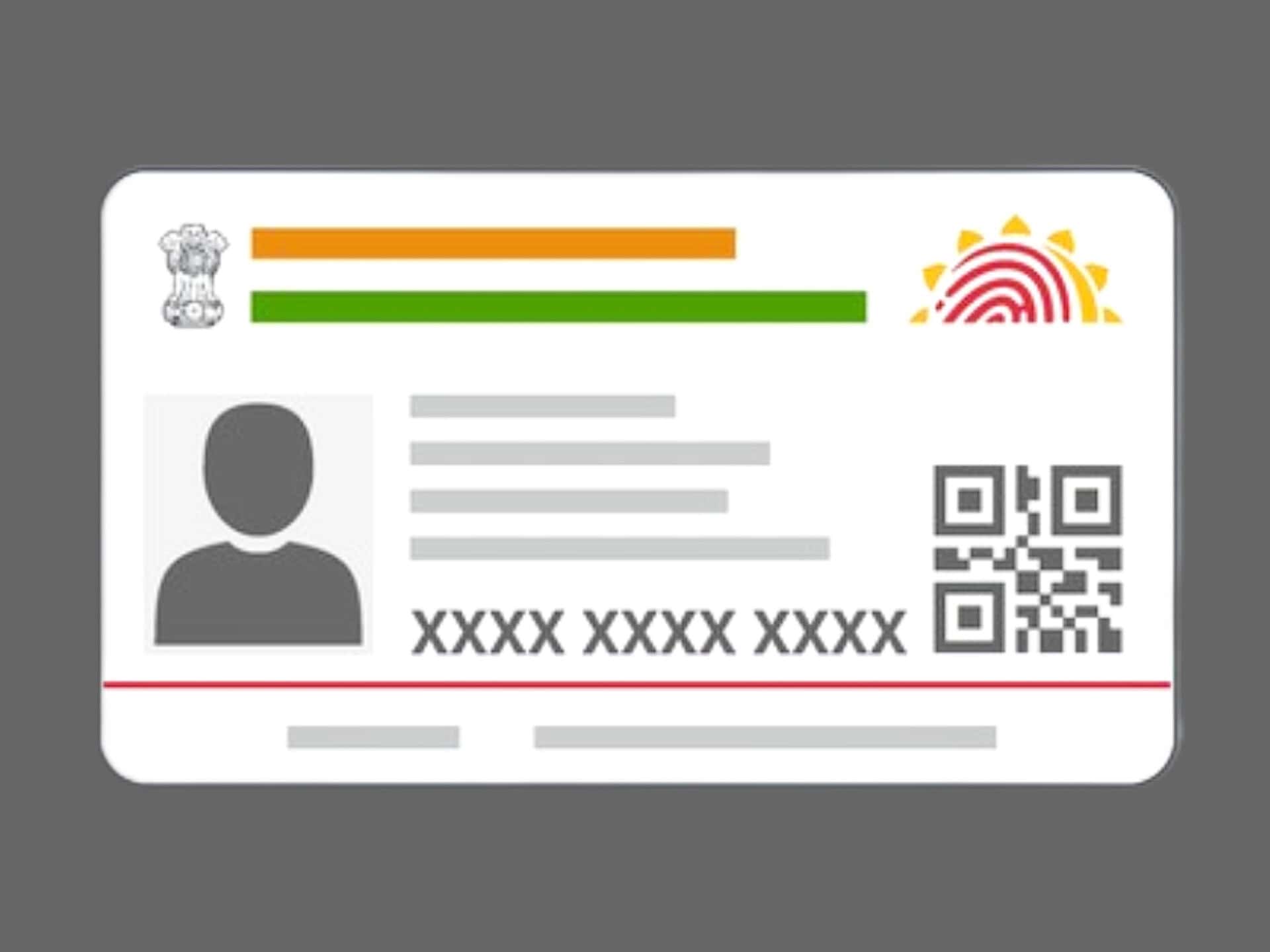
Government officials have firmly refuted recent social media rumors claiming that the Unique Identification Authority of India (UIDAI) plans to remove names and addresses from Aadhaar cards, replacing this information with QR codes only.
In a statement released yesterday, the Ministry of Electronics and Information Technology (MeitY) dismissed these reports as “entirely baseless” and lacking any factual foundation. The ministry emphasized that no such policy changes regarding Aadhaar cards are under consideration.
“Citizens should disregard these false claims circulating on various social media platforms,” said a senior MeitY official speaking on condition of anonymity. “The current format of Aadhaar cards, which includes personal details such as names and addresses alongside the QR code, will remain unchanged.”
The Aadhaar card, introduced in 2009, serves as India’s primary identity document and has become essential for accessing numerous government services and benefits. With over 1.3 billion enrollments, it represents one of the world’s largest biometric identification systems.
This is not the first time rumors about Aadhaar modifications have spread rapidly across social platforms like WhatsApp, Facebook, and Twitter. Similar misinformation campaigns in recent years have caused unnecessary public concern and overwhelmed UIDAI helplines with anxious inquiries from citizens.
Digital rights activist Sanjay Mehta explained why such rumors gain traction: “The Aadhaar ecosystem affects virtually every Indian citizen. Any suggested change, even if untrue, naturally creates anxiety because people worry about their access to essential services being disrupted.”
The ministry has urged citizens to rely exclusively on official communications from the UIDAI or government channels before believing any claims about changes to the Aadhaar system. Official announcements are typically made through press releases, the UIDAI website, or verified government social media accounts.
“Spreading unverified information about critical national infrastructure like Aadhaar is irresponsible and potentially harmful,” the MeitY spokesperson added. “It creates unnecessary panic among citizens, particularly those in rural areas who might have limited access to clarifications.”
Cybersecurity experts have noted that such misinformation campaigns sometimes serve as precursors to phishing attempts, where scammers might follow up with fraudulent messages asking citizens to “update” their Aadhaar details through unofficial channels.
“We often see a pattern where false rumors are first spread to create confusion, followed by scam attempts exploiting that confusion,” said cybersecurity consultant Rahul Sharma. “Citizens should be vigilant and never share their Aadhaar details through unofficial websites or applications.”
The QR code on Aadhaar cards currently serves as a secure method to verify the authenticity of the document and contains encrypted information that can only be read through authorized UIDAI applications. It works alongside, not as a replacement for, the printed information on the card.
For citizens concerned about any aspect of their Aadhaar cards, the UIDAI maintains multiple official channels for inquiries, including a toll-free helpline (1947) and the official website (uidai.gov.in).
The ministry has indicated it may consider legal action against individuals or organizations deliberately spreading misinformation about government identification systems, citing potential threats to public order and national security infrastructure.
As digital literacy continues to grow across India, government agencies increasingly face the challenge of rapidly countering misinformation before it reaches critical mass on social media platforms.
Fact Checker
Verify the accuracy of this article using The Disinformation Commission analysis and real-time sources.

6 Comments
Good to know the government is on top of these false claims about Aadhaar cards. With over 1.3 billion enrollments, any changes to the format would be a major development that requires transparency.
I’m glad the authorities quickly clarified that no changes are planned for the Aadhaar card format. As a widely used ID, it’s crucial that the personal details remain intact alongside the QR code.
The Aadhaar card is an essential document for accessing government services in India. Maintaining the integrity of the personal details on the card is crucial, so I’m relieved the government is quashing these rumors.
Given the scale of the Aadhaar program, it’s not surprising that rumors about changes to the card would spread quickly on social media. I’m glad the government was prompt in clarifying that the current format will remain unchanged.
Interesting to see the government refuting the rumors about removing personal details from Aadhaar cards. The QR code is certainly a key security feature, but the full card with name and address is important for many uses.
As an important identity document, the Aadhaar card needs to maintain a consistent format that people can trust. These quick clarifications from the authorities should help quell any unfounded speculation.