


Listen to the article
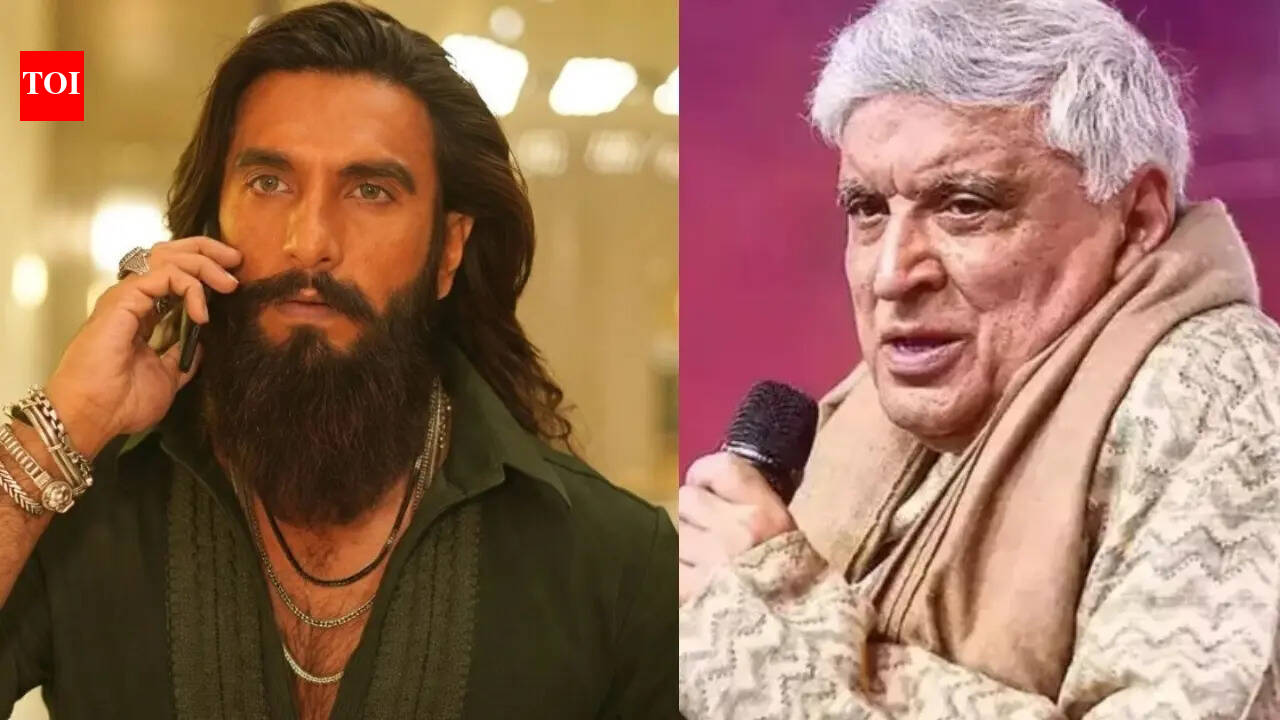
In a rare moment of candid commentary, celebrated screenwriter Javed Akhtar has defended the blockbuster “Dhurandhar” franchise against criticism labeling it as propaganda, arguing that narrative perspective shouldn’t automatically earn a film such a designation.
“I don’t know what you mean by propaganda films,” Akhtar told reporters at an event where he received an award from a jewelry brand. “I loved Dhurandhar; it was an excellent film. I liked the first one more than the second.”
The “Dhurandhar” franchise, consisting of the original film released in December 2025 and its sequel “Dhurandhar: The Revenge” which premiered on March 19, 2026, has dominated both the box office and social discourse. The sequel has surpassed its predecessor’s already impressive financial performance, cementing the franchise as a commercial juggernaut in Indian cinema.
Despite its commercial success, the franchise has faced persistent criticism from some quarters who claim it pushes a particular ideological agenda. Akhtar, known for his outspoken views on creative freedom, questioned the validity of such labeling.
“Every story takes a stand, but does it become propaganda because the narrative doesn’t suit a section of the audience?” he asked. “Everyone has the right to propagate their ideas. What is wrong with propaganda films? The task of every filmmaker is to present the truth.”
The veteran writer elaborated that all narratives, even those set in fantastical worlds, inherently carry ideological elements. Films inevitably convey messages or morals that viewers may interpret differently based on their own perspectives and biases.
Akhtar’s comments touch on a growing debate within Indian cinema about the line between storytelling with a perspective versus overtly political filmmaking. Industry analysts note that the increasing polarization in public discourse has made films with any political undertones susceptible to being labeled as propaganda by those who disagree with the presented viewpoint.
“Dhurandhar” has become more than just a film series in the cultural landscape. Since the first installment’s release, it has generated widespread online engagement including memes, fan theories, and viral clips. The franchise has sparked discussions about Indian history, national identity, and the responsibility of filmmakers when tackling sensitive subjects.
The star-studded cast includes some of Bollywood’s biggest names—Ranveer Singh, Akshaye Khanna, Sanjay Dutt, Arjun Rampal, and R Madhavan—alongside rising talents like Sara Arjun, as well as established character actors Rakesh Bedi, Gaurav Gera, and Danish Pandor. This ensemble approach has allowed the films to appeal to multiple demographics.
Film critics have been divided on the merits of the franchise. While some praise its technical aspects, storytelling, and performances, others have questioned the historical accuracy and political leanings of the narrative. The debate mirrors similar conversations happening globally about the responsibility of historical fiction to represent the past accurately versus artistic license.
Box office analysts point out that controversy often translates to increased ticket sales, with the discussion surrounding “Dhurandhar” likely contributing to its financial success. The sequel’s record-breaking performance demonstrates that audience interest has only intensified following the debate sparked by the first film.
Akhtar’s defense of the franchise carries significant weight given his respected position in the industry as a veteran writer with decades of experience crafting narratives across various genres. His willingness to engage with the criticism rather than dismiss it entirely adds nuance to an increasingly polarized conversation about political messaging in Indian cinema.
Fact Checker
Verify the accuracy of this article using The Disinformation Commission analysis and real-time sources.

9 Comments
Akhtar makes a reasonable argument about not automatically labeling films as propaganda just because some viewers dislike the narrative. Creative works can have political or ideological leanings without necessarily being propagandistic. It’s an interesting debate that touches on important questions of artistic freedom and social commentary in cinema.
The ‘Dhurandhar’ franchise sounds like a big box office hit in India. It’s not surprising that there would be debate around its political messaging, given the commercial and cultural impact of these films. Akhtar raises a fair point about not rushing to label movies as propaganda just because some viewers disagree with the narrative.
Absolutely. Viewer interpretation and personal biases can often color how people perceive the intent behind a creative work. Critical analysis should go deeper than just labeling something as ‘propaganda’.
I’m curious to learn more about the ‘Dhurandhar’ films and the debate around their portrayal of certain issues. Akhtar makes a reasonable case that a narrative perspective alone doesn’t automatically make a film propaganda. There are likely complex socio-political and artistic factors at play worth exploring further.
Agreed, the ‘propaganda’ label is often used too loosely. A more nuanced discussion around the films’ themes, production values, and cultural impact would be valuable in understanding this controversy.
As an avid film enthusiast, I appreciate Akhtar’s balanced view on this issue. He raises a fair point that a narrative having a particular ideological slant doesn’t inherently make it propaganda. There are many layers to consider when analyzing the artistic and cultural merits of a successful franchise like ‘Dhurandhar’.
Well said. Dismissing a popular film as ‘propaganda’ based solely on its narrative perspective risks oversimplifying a more complex conversation. A more thoughtful, multifaceted critique would be more constructive.
Interesting perspective from Javed Akhtar. I can see both sides of the debate around labeling films as ‘propaganda’. Narratives do often take a particular stance, but that doesn’t necessarily make them propaganda. Quality, artistic merit, and engaging storytelling are also important factors to consider.
Agreed. Just because a film has a certain ideological slant doesn’t mean it should automatically be dismissed as propaganda. There’s a lot of nuance to these discussions.