


Listen to the article
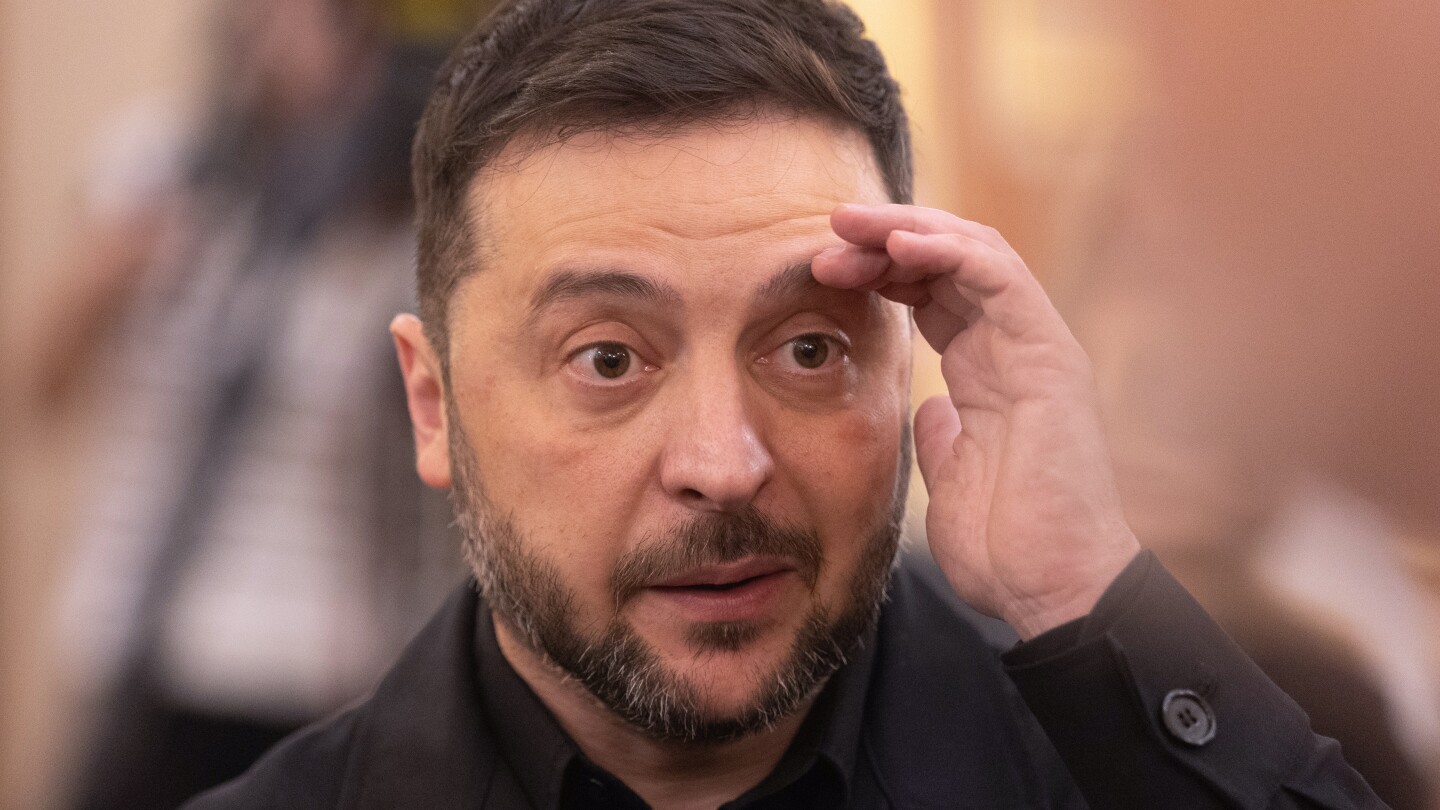
Ukrainian President Volodymyr Zelenskyy announced Tuesday he will travel to Turkey this week in a fresh bid to revive peace negotiations aimed at ending Russia’s full-scale invasion, which has devastated Ukraine for nearly four years.
Speaking at a news conference in Spain, Zelenskyy said he would meet with Turkish President Recep Tayyip Erdogan to discuss possibilities for achieving “a just peace for Ukraine.” The high-level diplomatic effort comes as fighting continues across eastern Ukraine and Russian forces maintain their grinding offensive in the Donetsk region.
The Kremlin, however, quickly poured cold water on the initiative. Spokesman Dmitry Peskov confirmed that “there will be no Russian representative in Turkey” during Zelenskyy’s visit, though he insisted Moscow remains open to negotiations under the right circumstances.
“For now, these contacts are taking place without Russian participation. We will await information on what would actually be discussed in Istanbul,” Peskov told reporters during his daily briefing.
Initial reports suggested that U.S. special envoy Steve Witkoff might join the talks, but a senior Turkish official later retracted this claim. Three U.S. officials, speaking on condition of anonymity, indicated they were unaware of any planned overseas travel by Witkoff, noting he would be in Washington this week for events related to the Saudi crown prince’s state visit.
The diplomatic push comes at a critical moment as the United States prepares to implement sweeping new sanctions against Russia’s vital oil industry. Set to take effect Friday, these penalties targeting energy giants Rosneft and Lukoil aim to deprive Putin’s war machine of essential funding. The sanctions also threaten secondary penalties against any entities violating them—a measure that could significantly impact major Russian oil importers like China and India.
Turkey’s top communications official, Burhanettin Duran, described the upcoming talks as focusing on establishing a ceasefire and pursuing a lasting settlement. Turkey has previously hosted lower-level negotiations between Ukraine and Russia, though these produced limited results beyond prisoner exchanges.
Meanwhile, Ukraine’s military has escalated its strategy, confirming it again used American-supplied ATACMS missiles to strike targets inside Russia. While Kyiv insists such long-range attacks are essential for protecting Ukrainian cities from Russian bombardment, Moscow has warned that the use of U.S. weapons against targets on Russian soil risks further deteriorating already strained U.S.-Russia relations.
On the ground, Ukraine launched surprise aerial assaults on energy infrastructure in Russian-occupied parts of the Donetsk region. Denis Pushilin, the Russian-appointed head of the partially occupied territory, described an “unprecedented” Ukrainian attack that damaged two thermal power stations and left many areas without electricity. Ukrainian commander Maj. Robert Brovdi published footage allegedly showing strikes on these facilities.
Despite being heavily outgunned, Ukrainian forces continue fighting fiercely to prevent Russia from capturing more territory in Donetsk. Russian forces, meanwhile, have maintained their campaign of missile and drone strikes against Ukrainian cities. In the northeastern Kharkiv region, a Russian missile strike on the town of Berestyn killed a 17-year-old girl and wounded ten others. In Dnipro, Russian drone attacks sparked multiple fires, injured two people, and damaged residential buildings and the offices of Ukraine’s public broadcaster.
As Zelenskyy pursues diplomatic solutions abroad, he faces mounting political pressure at home over a $100 million corruption scandal involving top officials and Ukraine’s state nuclear power company. The controversy, which erupted last week, has already forced the resignation of two Cabinet members.
Former Ukrainian president Petro Poroshenko, now leading the opposition European Solidarity party, demanded the dismissal of the entire Ukrainian government on Tuesday. Poroshenko and supporters disrupted a parliamentary session, blocking other speakers while holding up anti-corruption placards.
Zelenskyy, who has pledged to combat Ukraine’s entrenched corruption, announced he would meet with senior government officials, parliamentary leadership, and members of his Servant of the People party on Thursday to address the crisis.
The Ukrainian president’s European tour continues to yield military support, with Spain pledging aid worth $946 million for defense and reconstruction. During his visit to Paris on Monday, Zelenskyy signed a letter of intent to purchase up to 100 Rafale warplanes from France, along with drones and ground-to-air defense systems.
Fact Checker
Verify the accuracy of this article using The Disinformation Commission analysis and real-time sources.

11 Comments
With Russia seemingly unwilling to participate, I’m skeptical about the chances of a major breakthrough. However, any constructive dialogue is worth pursuing, even if it’s just laying the foundations for future talks.
I appreciate Zelenskyy’s proactive approach in seeking new avenues for dialogue, even as the fighting continues on the ground. Mediation efforts by Turkey could prove valuable if handled carefully.
This is a positive step, but the path to a lasting peace settlement remains highly uncertain. The international community must continue to apply pressure and support diplomatic solutions wherever possible.
The fact that the U.S. special envoy may not be involved is concerning. Coordinated international efforts will be crucial to find a way forward that addresses the core issues driving this conflict.
You raise a good point. The involvement of key international stakeholders could significantly increase the chances of meaningful progress.
While the absence of Russia is problematic, I hope this meeting can at least lay the groundwork for future comprehensive negotiations. Achieving a just and sustainable peace will require tough compromises from all sides.
The fact that Russia will not be represented is concerning, as their participation is essential for any lasting resolution. However, any diplomatic efforts to end the fighting should be supported.
This latest initiative by Zelenskyy demonstrates his commitment to exploring all diplomatic avenues to end the war. However, the path ahead remains extremely challenging given Russia’s intransigence.
While the absence of Russia is disappointing, I hope Zelenskyy and Erdogan can at least identify some common ground and potential areas for future negotiations. Every diplomatic effort counts in this conflict.
Given the complexity of this conflict, I’m curious to learn more about the specific agenda and desired outcomes for this Turkey meeting. Transparency and good-faith negotiations from all parties will be key.
This is an interesting development in the ongoing conflict. It will be crucial to see if Zelenskyy and Erdogan can find common ground to restart meaningful negotiations and work towards a just peace settlement.