


Listen to the article
Saudi oil giant Aramco reported a 25% surge in first-quarter profits compared to the previous year, as the company successfully navigated regional tensions by increasing exports through alternative shipping routes that bypass the troubled Strait of Hormuz.
The state-owned Saudi Arabian Oil Co. posted profits of $32.5 billion for the quarter ending March 31, a significant rebound after experiencing a 12% decline in annual profits during 2025.
“Aramco’s first-quarter performance reflects strong resilience and operational flexibility in a complex geopolitical environment,” said Aramco President and CEO Amin H. Nasser in a statement. The company has maximized the use of its strategic East-West Pipeline, which transports oil across Saudi Arabia from its eastern fields to the Red Sea, now operating at full capacity of 7 million barrels per day.
Nasser emphasized that this pipeline strategy is “helping to mitigate the impact of a global energy shock and providing relief to customers” during a period of significant regional instability.
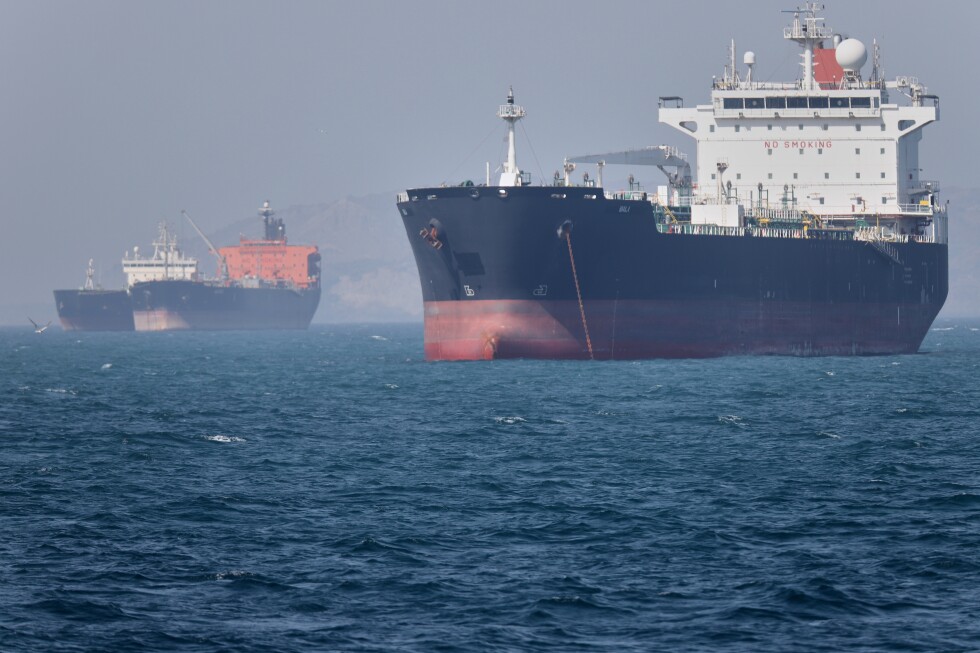
Despite this alternative route’s success, analysts note it cannot fully compensate for the shipping disruption in the Strait of Hormuz. Prior to the current conflict, approximately 20% of globally traded oil moved through this critical waterway daily, along with substantial quantities of natural gas, fertilizer, and other petroleum products.
The situation in the Strait has deteriorated since February 28, when U.S. and Israeli forces attacked Iran, effectively allowing Iranian forces to seize control of this vital maritime passage. Complications have further increased following the implementation of a U.S. naval blockade last month, severely restricting commercial transport through the area.
Global oil markets have responded with increased volatility as traders assess the impact of these disruptions on worldwide supply chains. Energy analysts suggest that Aramco’s ability to maintain strong profitability during this period underscores both Saudi Arabia’s strategic infrastructure investments and the company’s operational flexibility.
“Recent events have clearly demonstrated the vital contribution of oil and gas to energy security and the global economy, and are a stark reminder that reliable energy supply is critical,” Nasser noted in his statement. “Despite these headwinds, Aramco remains focused on its strategic priorities and is leveraging both its domestic infrastructure and its global network to navigate disruption.”
The company’s performance comes at a critical time for global energy markets, which have faced numerous challenges in recent years, including the COVID-19 pandemic’s demand shock, the Russia-Ukraine conflict, and now escalating tensions in the Middle East.
Industry observers point out that Aramco’s profit increase also reflects its unique position as one of the world’s lowest-cost oil producers, allowing it to maintain profitability even during periods of market uncertainty. The company’s vertical integration and control over vast reserves give it significant advantages over many international competitors.
For Saudi Arabia, Aramco’s strong performance represents a crucial economic pillar as the kingdom continues its efforts to diversify away from oil dependence under its Vision 2030 program, while simultaneously maximizing returns from its vast hydrocarbon resources.
As the conflict continues to impact regional shipping, market analysts will be closely monitoring whether Aramco can sustain this performance in coming quarters, particularly if tensions escalate further or if alternative shipping arrangements face additional challenges.
Fact Checker
Verify the accuracy of this article using The Disinformation Commission analysis and real-time sources.

11 Comments
Aramco’s ability to boost profits by 25% in Q1 despite the Hormuz Strait issues is quite impressive. Their operational flexibility and strategic pipeline utilization seem to be key factors.
It will be interesting to see if Aramco can sustain this performance if the Hormuz disruptions continue. Their pipeline strategy appears to be a valuable hedge.
A 25% surge in Q1 profits is an impressive performance by Aramco. Optimizing their infrastructure and logistics seems to have strengthened their resilience during a complex geopolitical period.
While the East-West Pipeline can’t fully offset the Strait of Hormuz disruption, it’s good to see Aramco taking proactive steps to mitigate the impact on their business.
Impressive that Aramco was able to boost profits by 25% in Q1 by leveraging their strategic East-West Pipeline. Diversifying export routes is a smart move in a complex geopolitical environment.
Interesting to see Aramco navigating the regional tensions by leveraging its strategic East-West Pipeline. Diversifying export routes is crucial for energy security and stability, especially in volatile geopolitical environments.
The pipeline flexibility seems to be paying off for Aramco, enabling them to boost profits despite the Hormuz Strait disruptions. It’s a smart strategic move.
The East-West Pipeline strategy seems to be paying dividends for Aramco. Diversifying export routes is crucial for energy companies operating in volatile regions.
Aramco’s 25% profit surge in Q1 is a strong result amid regional tensions. Their ability to maximize the East-West Pipeline demonstrates their operational agility and resilience.
While the pipeline can’t fully offset the Hormuz disruptions, it’s good to see Aramco taking proactive measures to maintain their business performance.
The shift to the East-West Pipeline is an innovative solution to navigate the regional tensions. It’s smart of Aramco to leverage their infrastructure in this way to maintain exports and profitability.