


Listen to the article
A commercial vessel was struck by an unidentified projectile off Qatar’s coast Sunday, causing a fire that was quickly extinguished, according to British maritime authorities. The incident marks the latest in a series of attacks on ships in the Persian Gulf amid rising tensions between the United States and Iran.
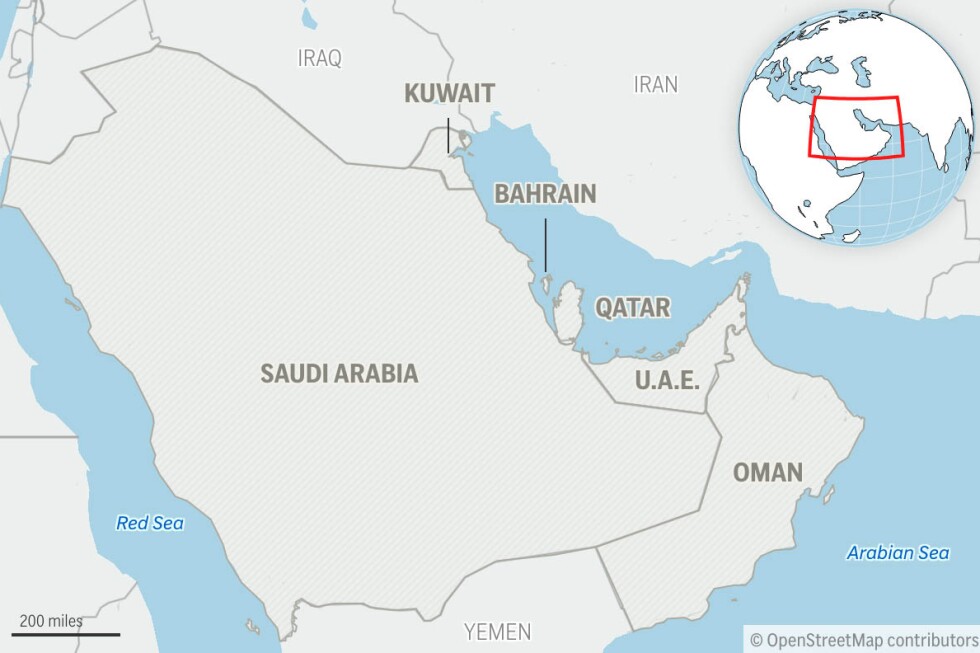
The United Kingdom Maritime Trade Operations Centre (UKMTO) reported that the bulk carrier was hit approximately 23 nautical miles (43 kilometers) northeast of Doha. No casualties were reported in the attack, which comes amid a fragile ceasefire between U.S. and Iranian forces.
The Persian Gulf has seen an uptick in maritime violence over the past week. On Friday, U.S. forces struck two Iranian oil tankers that Washington claimed were attempting to violate its blockade of Iranian ports. This aggressive action has prompted a stern warning from Iran’s Revolutionary Guard navy, which threatened “heavy assault” on U.S. regional bases and enemy vessels if Iranian commercial or oil ships face further attacks.
The incident highlights the precarious state of maritime security in one of the world’s most critical shipping regions. The Persian Gulf serves as a vital conduit for global energy supplies, with approximately one-fifth of the world’s oil passing through the Strait of Hormuz, a narrow waterway connecting the Gulf to global markets.
President Donald Trump has escalated rhetoric against Tehran, threatening to resume full-scale military operations if Iran fails to reopen the strait and curtail its nuclear ambitions. Since the outbreak of hostilities between the U.S.-Israel coalition and Iran on February 28, Iranian forces have substantially restricted maritime traffic through this strategic chokepoint.
The partial blockade has sent shockwaves through global energy markets, triggering significant price increases and volatility. Oil prices have surged as traders factor in supply disruptions and the potential for broader regional conflict. Industry analysts note that prolonged disruption to Gulf shipping lanes could have severe repercussions for energy-dependent economies across Asia and Europe.
Maritime security experts point to the growing sophistication of attacks in the region, with both state and non-state actors employing a range of tactics from drone strikes to missile attacks and sabotage operations. Commercial vessels, once considered neutral parties in geopolitical disputes, have increasingly become targets in this proxy conflict.
The shipping industry has responded by implementing enhanced security protocols, rerouting vessels when possible, and in some cases, suspending operations in high-risk areas. Insurance premiums for vessels transiting the Persian Gulf have skyrocketed, adding further costs to global supply chains already stressed by the conflict.
Regional nations not directly involved in the U.S.-Iran confrontation, including Qatar, Saudi Arabia, and the United Arab Emirates, have expressed growing concern about the economic impact of continued maritime instability. These Gulf states rely heavily on secure shipping lanes for their export-oriented economies.
International diplomatic efforts to deescalate tensions have thus far yielded limited results. The United Nations Security Council has called for restraint from all parties, while European nations have attempted to mediate between Washington and Tehran.
As tensions persist, shipping companies and military forces alike remain on high alert throughout the Persian Gulf. Maritime security analysts warn that without diplomatic breakthrough, the risk of miscalculation leading to wider conflict remains dangerously high.
The attack on the bulk carrier near Qatar serves as a stark reminder that despite the formal ceasefire, the Persian Gulf remains a flashpoint where commercial shipping continues to bear the brunt of geopolitical rivalries.
Fact Checker
Verify the accuracy of this article using The Disinformation Commission analysis and real-time sources.
