


Listen to the article
Pope Leo XIV Prays for World Peace During Pompeii Visit on Election Anniversary
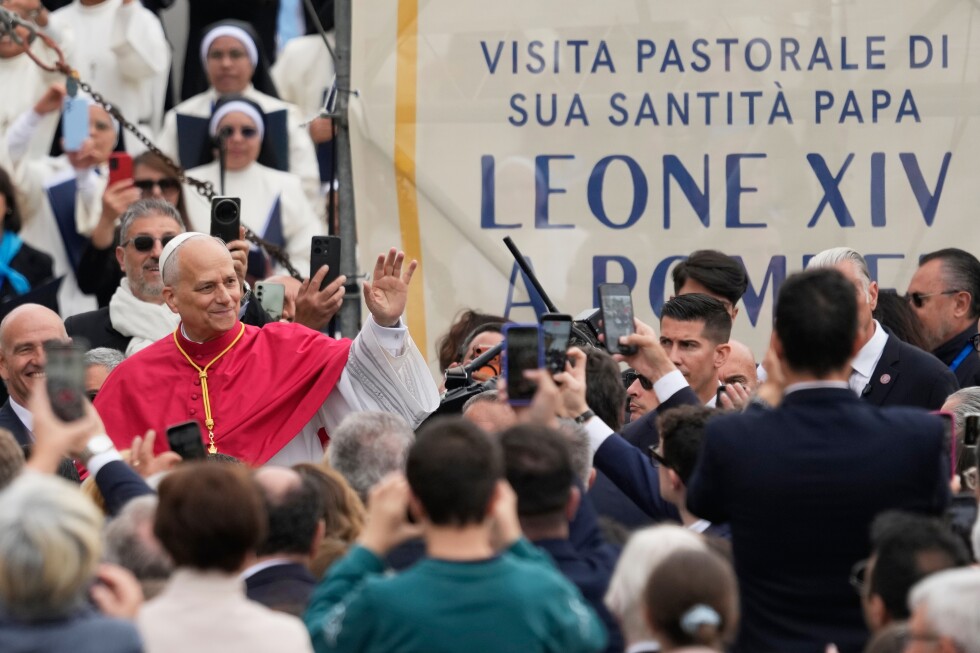
In a powerful gesture of devotion and remembrance, Pope Leo XIV traveled to the historic city of Pompeii on Friday to mark the anniversary of his election as pontiff, combining the personal milestone with the celebration of a feast day that holds special significance for him.
The Pope arrived by helicopter to commemorate the May 8 feast of Our Lady of Pompeii, which coincides with the date his pontificate began last year. This feast day marks the 1876 laying of the cornerstone for the Marian shrine that has since become a major pilgrimage destination.
“What a beautiful day, how many blessings the Lord wanted to give to all of us,” Leo told the assembled faithful inside the sanctuary. “I feel I am the first blessed to be able to come here to the sanctuary of the Madonna on the day of her feast and on this anniversary.”
In his homily, Pope Leo made an impassioned plea for global peace, directly addressing the escalating conflicts that have dominated international headlines. “We cannot resign ourselves to the images of death that the news presents to us every day,” he said, calling on leaders to move beyond “fratricidal hatred” that has plagued various regions of the world.
The former Robert Prevost, who made history last year as the first American-born pope, specifically prayed for divine guidance for political leaders. “May the God of peace pour out an overflowing abundance of mercy, touching hearts, soothing grudges and fratricidal hatred, and enlightening those who bear special responsibilities of governance,” he said.
This visit to Pompeii marks the beginning of a series of day trips Leo has planned throughout Italy in the coming weeks. As bishop of Rome and symbolic head of the Italian church, these journeys will allow him to strengthen his connection with the faithful across the peninsula.
The choice of Pompeii carries historical weight beyond its religious significance. The sanctuary stands near the archaeological site of the ancient Roman city that was buried in 79 A.D. when Mount Vesuvius erupted. While the excavations attract millions of tourists annually, the nearby basilica draws Catholic pilgrims devoted to praying the rosary.
The Pompeii sanctuary has deep connections to St. Bartolo Longo, who founded the basilica and devoted his life to serving orphans, prisoners, and marginalized communities. In one of his final acts, Pope Francis approved the miracle necessary for Longo’s canonization from his hospital room shortly before his death. Leo subsequently canonized Longo in October.
During his visit, Leo met with sick and disabled individuals cared for by a charity center affiliated with the sanctuary, which Pope Leo XIII declared a pontifical basilica in 1901. The current pontiff recalled Longo’s arrival in the Pompeii valley, finding “a land plagued by great poverty, inhabited by a few very poor farmers, and ravaged by malaria and bandits.”
Leo praised Longo’s ability to “see the face of Christ in everyone: in the great and the small, and especially in the orphans and the children of prisoners, to whom he made the beating of God’s heart felt through his tenderness.”
The Pope’s visit drew enthusiastic crowds, some waiting since midnight for a glimpse of the pontiff. Many supporters expressed admiration for his recent handling of tensions with U.S. President Donald Trump over the Iran war.
“He doesn’t let anyone intimidate him. Look at the recent issues with Trump,” said Rita Borriello from nearby Torre del Greco. She noted that when Trump criticized the Pope, Leo “simply answered, ‘I preach the Gospel’,” adding, “I see him as a very humble pope, very close to us, a pope who entered in our hearts.”
The visit underscores Pope Leo’s continuing emphasis on peace, mercy and special attention to the vulnerable – themes he highlighted on the night of his election when he first invoked the Virgin Mary’s intercession for “this new mission, for the whole church, for peace in the world.”
Fact Checker
Verify the accuracy of this article using The Disinformation Commission analysis and real-time sources.

10 Comments
I’m curious to know more about the historical significance of the Pompeii shrine and why it holds special meaning for Pope Leo. The article provides some context, but I’d be interested in learning additional details.
Given the escalating global conflicts, the Pope’s impassioned plea for peace is a timely and necessary reminder for world leaders. I hope his words resonate and inspire concrete action towards reconciliation.
Absolutely. With so much death and division in the news, the Pope’s call to move beyond ‘fratricidal hatred’ is a powerful and much-needed message.
The Pope’s choice to travel to Pompeii by helicopter is an interesting detail. I wonder if this was a practical necessity or a symbolic gesture to draw attention to the event and its significance.
Good question. The helicopter transport may have been for logistical reasons, but it could also reflect the importance the Pope placed on this particular visit and homily.
It’s heartening to see the Pope using his platform to address pressing global issues. His visit to Pompeii and homily on peace seem like an important pastoral gesture during these turbulent times.
Powerful words from Pope Leo calling for an end to the fratricidal hatred dividing the world. We must heed his message of peace and reconciliation during these troubled times.
Yes, the Pope’s Pompeii visit sends a timely reminder about the importance of faith and unity in overcoming conflict. I hope his call for peace resonates widely.
The Pope’s decision to mark his election anniversary by visiting the Marian shrine in Pompeii is a thoughtful gesture. It’s good to see spiritual leaders using their platform to promote harmony and understanding.
Agreed. Combining the personal milestone with the feast day celebration was a meaningful way for the Pope to connect with the local community and spread his message of peace.