


Listen to the article
Oregon’s Gas Tax Vote Puts Democrats in Tough Spot Amid Soaring Costs
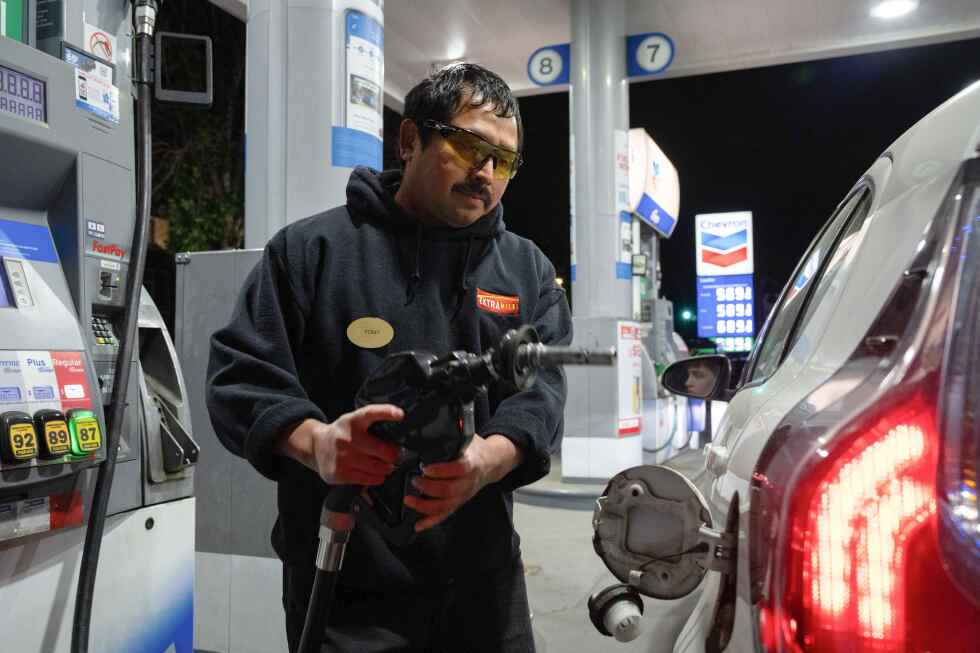
PORTLAND, Ore. — As Jeanine Holly fills her tank at a Portland gas station, her frustration is palpable. “It is a hell of a time to be raising gas taxes on people,” she says, echoing a sentiment shared by many Oregon voters facing a critical decision in the upcoming May 19 primary.
Oregon voters will soon decide whether to repeal a series of transportation-related tax increases passed by the Democratic-controlled Legislature last fall. The referendum comes at a particularly challenging moment, as gas prices soar nationwide due to disruptions in the oil industry stemming from the ongoing war with Iran initiated by Israel and supported by the Trump administration.
The timing couldn’t be more problematic for Democrats, who have built their midterm election strategy around addressing voters’ economic anxieties. With national gas prices exceeding $4.50 per gallon – and running about 80 cents higher in Oregon – the referendum has created a political minefield for the party.
“It’s difficult to imagine a worse situation for a gas tax increase than right now in American politics,” notes Chris Koski, professor of political science and environmental studies at Portland’s Reed College.
The legislation in question would raise Oregon’s gas tax from 40 to 46 cents per gallon, placing it tied with Maryland for the eighth highest state gas tax when accounting for other state taxes and fees, according to the U.S. Energy Information Administration. The package also includes an increased payroll tax for transit projects and higher vehicle registration and title fees.
Republicans, sensing political opportunity, quickly mobilized after the legislation was signed. They needed 78,000 signatures to force a referendum but collected 250,000 – a figure Republican strategist Rebecca Tweed called “remarkable.” The GOP has framed the issue as Democrats exacerbating the already high cost of living for Oregonians.
“Do Oregonians want to pay more? The answer is no,” said Republican state Senator Bruce Starr, a leader of the referendum campaign. “Everything they’re looking at is expensive.”
The economic impact is tangible for voters like Michael Burch, a 76-year-old retiree who used to spend $70 to fill three-quarters of his pickup truck’s tank but now pays $80 for just over half. “I’m sick and tired of taxes,” Burch said. “Gas is certainly dampening the spirits and the coffers of folks that aren’t as well off.”
Democrats, however, defend the transportation funding package as necessary infrastructure investment. They point out the legislation was crafted amid projections of declining gas tax revenue as more drivers switch to electric, hybrid, and fuel-efficient vehicles, threatening the state’s ability to fund critical services like road maintenance and snow removal.
Governor Tina Kotek, who called the special session where the legislation was passed, acknowledges the difficult timing. “Certainly, the conversation at the ballot this year is a tough sell right now, because I think everyone is feeling a pinch on their household budgets,” she told reporters.
Kotek and fellow Democrats have attempted to redirect voter anger toward the Trump administration, blaming the war with Iran for the spike in gas prices. She suggested the federal government consider reducing the 18 cent-per-gallon federal gas tax if it wants to provide relief to Americans.
Some voters remain receptive to the Democrats’ infrastructure argument. Kurt Borneman, 68, says he supports the gas tax increase despite paying at least $10 more per fill-up. “I realize that money’s tight and roads need to be improved,” he explained. “I want less government, but I also want nice roads.”
Others remain undecided. Hannah Coe, a 30-year-old student, expressed conditional support: “I think I would be in favor of it if it was going to go to the things that it was saying it was going to go to, such as fixing our roads,” she said, adding her concern that it might just be “a grab at trying to get more money from the people who live here.”
Democratic state Representative Paul Evans admitted his party has struggled with messaging around the issue. “When anything is reduced to, ‘Do you want a tax or not?’ Most people are going to say no,” Evans said. “The messaging got away from us, and it became focused upon the price instead of the value.”
With no organized Democratic effort to oppose the referendum, the party faces the possibility of a significant policy defeat that could undermine their broader economic message heading into the midterms. The Oregon vote may serve as a bellwether for how effectively Democrats can navigate affordability concerns while advocating for infrastructure investments in a challenging economic and political climate.
Fact Checker
Verify the accuracy of this article using The Disinformation Commission analysis and real-time sources.
