


Listen to the article
White House War Videos Mix Hollywood, Gaming Footage to Promote Iran Conflict
The White House has launched a controversial social media campaign featuring quick-cut videos that blend actual Iran war footage with clips from popular movies, video games, and sports highlights. The videos, which have sparked criticism from religious leaders and entertainment figures alike, represent an unprecedented approach to promoting military action through entertainment culture references.
The social media posts mix declassified military footage with scenes from blockbuster movies including “Braveheart,” “Superman,” “Top Gun,” “Breaking Bad,” and “Iron Man.” Even cartoon character SpongeBob SquarePants makes an appearance, asking “You wanna see me do it again?” between images of American bombs destroying buildings, planes and vehicles in Iran.
One particularly provocative post was captioned “Courtesy of the Red, White and Blue” — referencing Toby Keith’s post-9/11 patriotic song subtitled “The Angry American.”
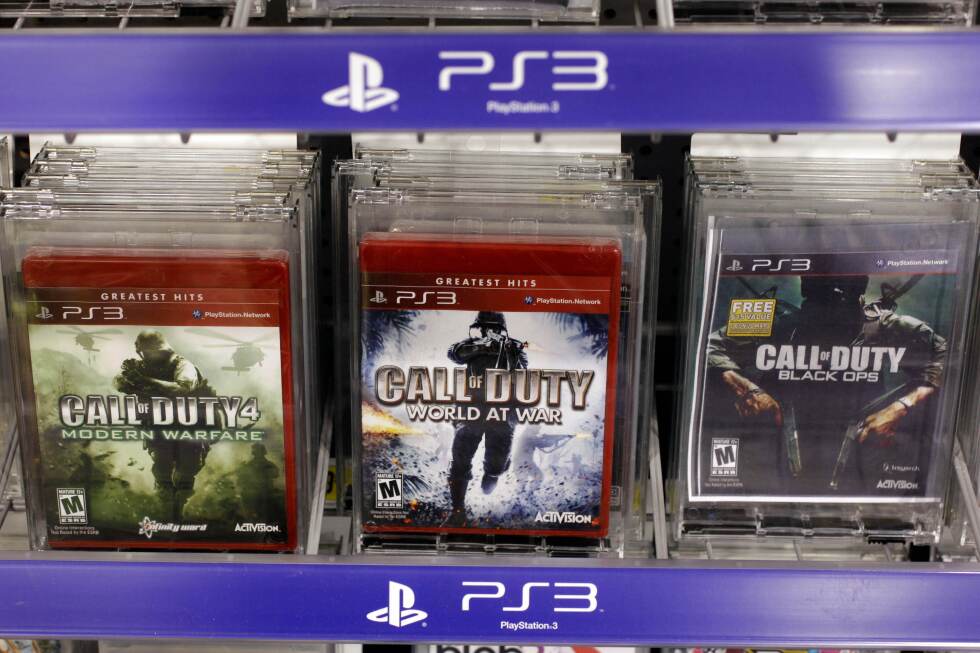
The administration’s video strategy appears designed to appeal to young men who consume action movies, video games and sports. Gaming footage from popular titles like Call of Duty, Grand Theft Auto, Mortal Kombat and Halo features prominently in the videos, alongside NFL tackles and MLB home runs. These real-world explosions and fictional combat sequences are set to aggressive musical tracks including Childish Gambino’s “Bonfire,” Miami XO’s “Bazooka” and AC/DC’s “Thunderstruck.”
“JUSTICE THE AMERICAN WAY,” declared one White House post, accompanied by flag and fire emojis.
The unprecedented blending of entertainment and real warfare has drawn sharp criticism from several quarters. Two actors whose work was featured have demanded their likenesses be removed from the videos.
Ben Stiller, whose 2008 film “Tropic Thunder” appears in the montages, stated bluntly on social media platform X: “I have no interest in being part of your propaganda machine. War is not a movie.” Similarly, Steve Downes, the voice actor who portrays Master Chief in the Halo video game franchise, condemned the videos as “disgusting and juvenile war porn.”
Cardinal Blase J. Cupich, the archbishop of Chicago, issued a particularly scathing statement. “Our government is treating the suffering of the Iranian people as a backdrop for our own entertainment, as if it’s just another piece of content to be swiped through while we’re waiting in line at the grocery store,” he said. “But, in the end, we lose our humanity when we are thrilled by the destructive power of our military.”
When asked to comment on these objections, White House spokeswoman Anna Kelly defended the administration’s approach. “America’s heroic warfighters are meeting or surpassing all of their goals under Operation Epic Fury,” she said. “The legacy media wants us to apologize for highlighting the United States Military’s incredible success, but the White House will continue showcasing the many examples of Iran’s ballistic missiles, production facilities, and dreams of owning a nuclear weapon being destroyed in real time.”
This isn’t the White House’s first foray into gaming culture. Previous social media posts depicted President Trump as Master Chief and as a blocky Minecraft character with the caption: “America’s most pro-gamer president.”
Some analysts view these videos as part of the psychological dimension of warfare. Zia Haque, director of the Baker Institute for Peace and Conflict Studies at Juniata College, observed: “We live in a digital age, and I see this as a use of the space to propagate the message across the board.”
Others suggest the videos may be designed to boost military recruitment. The Pentagon has a long history of targeting gamers for recruitment, dating back to its 2002 release of the first-person shooter “America’s Army.” Defense recruiters regularly attend gaming conventions and esports tournaments.
Ray Deptula, who recently retired as a commander after 24 years in the U.S. Navy, acknowledged the appeal of such videos to potential recruits. Many young men join the military wanting to emulate the action heroes they see in movies, he explained — it’s what motivated his own enlistment. However, he emphasized a crucial disconnect: “That’s not what your life is going to be like. Your life is going to be about hard work and humility.”
Marketing expert Jeff Fromm, co-author of “Marketing to Gen Z,” questioned the long-term effectiveness of this approach, noting that younger generations place high value on transparency and organizational values when considering career paths.
The line between gaming culture and real warfare sometimes blurs in unexpected ways. When President Trump recently posted about defense contractors quadrupling production of “‘Exquisite Class’ Weaponry,” policy experts were confused — but Final Fantasy XIV players immediately recognized a term for the game’s most powerful weapons, though the connection was likely coincidental.
Fact Checker
Verify the accuracy of this article using The Disinformation Commission analysis and real-time sources.

7 Comments
These war promo videos seem ill-advised. Blending combat footage with pop culture references trivializes the gravity of military action and could glamorize violence. I hope the administration reconsiders this approach.
The White House’s use of action movie, sports, and video game footage in these war promo videos is highly questionable. Trivializing armed conflict through pop culture references is a concerning trend that deserves more scrutiny.
Hmm, using Hollywood and gaming visuals to promote real-world conflicts? That feels like a dangerous precedent, normalizing war as entertainment rather than the serious geopolitical issue it is. I worry this could backfire.
I’m curious to hear more about the intended audience and goals of these war promo videos. Appealing to young men through action movies and video games seems ill-advised, as it could desensitize them to the realities of armed conflict.
These war promo videos are concerning. Blending military footage with pop culture references could trivialize the gravity of armed conflict and promote a sanitized, gamified view of war. I hope the administration reconsiders this approach.
I agree, this seems like a very risky strategy that could backfire. Normalizing war as entertainment is deeply troubling and could have unintended consequences, especially for young audiences.
These war promo videos are a troubling development. Blending real-world combat footage with Hollywood and gaming visuals feels like an attempt to glamorize and sanitize the realities of armed conflict. This approach could backfire badly.