


Listen to the article
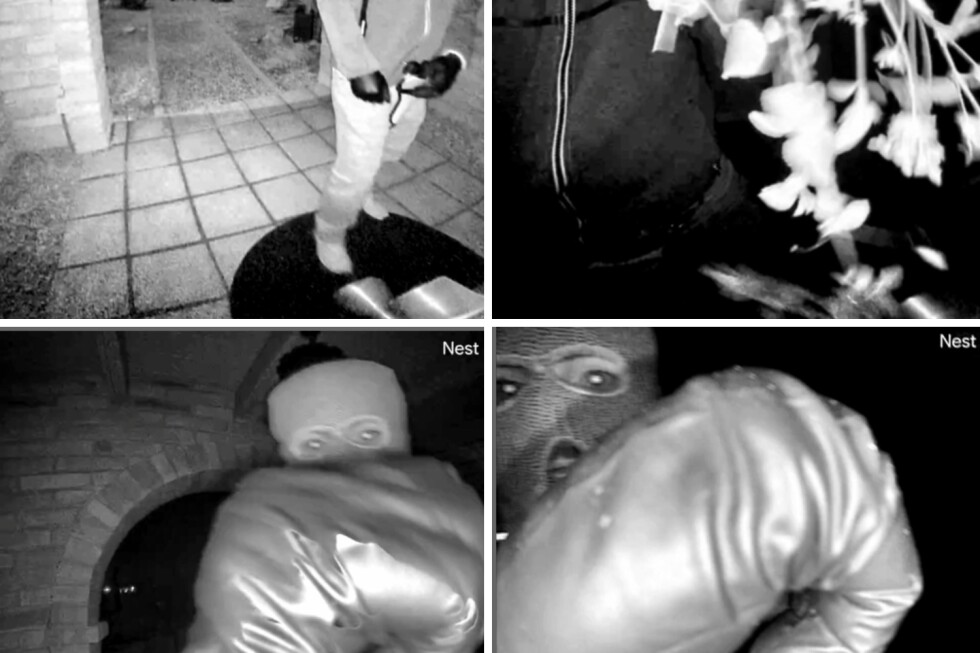
The release of surveillance footage showing a masked, armed individual at Nancy Guthrie’s doorstep on the night of her abduction has sparked controversy over the delayed disclosure and raised significant privacy concerns surrounding smart home technology.
Law enforcement officials initially believed the crucial video evidence was lost because the camera was disconnected and Guthrie lacked an active subscription to the camera service. However, FBI Director Kash Patel revealed Tuesday that investigators had successfully retrieved the footage from “residual data located in backend systems” after days of technical efforts.
The unexpected recovery of this evidence has prompted questions about why authorities didn’t release it sooner. Pima County Sheriff Chris Nanos had previously stated that Guthrie’s door camera was disconnected just before 2 a.m. on the night she disappeared. While the camera’s software detected movement minutes later, officials initially claimed no footage was preserved.
Joseph Giacalone, a retired New York police sergeant with extensive experience in missing person cases, suggests the delay might have been strategic. “You’re trying to keep these things close to the vest. I think they worked this angle for a couple days,” Giacalone noted, speculating that the FBI likely attempted to identify the suspect privately before making the images public.
The footage appears to have come from a Nest camera mounted near Guthrie’s door. Google, which acquired Nest in 2014, operates a vast network of private surveillance cameras in homes across the country. These doorbell cameras typically lack substantial on-device storage capacity, instead transmitting recorded video to remote data centers throughout the U.S. and internationally.
Google’s privacy policy offers some insight into how the footage might have been captured despite the camera being reportedly disconnected. The policy explicitly states that videos can be recorded when devices are offline, noting that “you may not see a visual indicator when your camera is sending the video footage to our servers.” This revelation may be unsettling for many consumers who assume their devices only record when connected.
The policy also indicates that footage can remain on cloud servers for varying periods, though users theoretically maintain the right to view and delete their videos. According to Stacey Higginbotham, a cybersecurity policy fellow at Consumer Reports, Google typically purges footage for users without subscription plans rather than storing it indefinitely.
“It’s basically like when you send an email to the trash. It’s still accessible,” Higginbotham explained, noting that if law enforcement contacted Nest before the data was overwritten, the footage could still be retrieved.
The case highlights the complex legal framework governing how companies like Google can access and share footage from home security cameras. Michelle Dahl, executive director at the Surveillance Technology Oversight Project, explains that many user agreements require either a warrant or consent from the camera owner before sharing footage with law enforcement.
However, Dahl cautions that numerous legal loopholes exist. Some user agreements specify that the data collected belongs to the camera company rather than the homeowner, allowing companies like Google to share footage with law enforcement at their discretion without notifying users.
“Our hearts are with her family and what they are going through, and we are glad for any information that can lead to her being found,” Dahl said. “At the same time, we should absolutely be alarmed over the privacy implications that are at stake with this video that was recovered by the Nest camera.”
This case underscores growing tensions between security benefits and privacy concerns in an increasingly connected world. As surveillance technology becomes more embedded in daily life, consumers may be unknowingly sacrificing privacy protections.
“I think the public has gotten too comfortable with surveillance cameras in not only public spaces, but also their private homes, without thinking about the consequences of where that data ends up,” Dahl warned. “If a camera is absolutely necessary for your security, look into options where that data is not transmitted off to a cloud.”
As the investigation into Nancy Guthrie’s disappearance continues, this case serves as a sobering reminder of the digital footprints we leave behind and the often overlooked fine print that governs who can access them.
Fact Checker
Verify the accuracy of this article using The Disinformation Commission analysis and real-time sources.

9 Comments
Intriguing case. The delayed release of the surveillance footage is concerning, especially given the privacy implications of smart home tech. I’m curious to learn more about the technical challenges the FBI faced in retrieving the data.
This case highlights the complexities around smart home tech and law enforcement. While the video evidence is important, the privacy concerns are valid. I’m curious to see how this investigation unfolds and what lessons can be learned.
Agreed, this is a complex issue that requires balancing public safety and individual privacy. Transparency from authorities will be key to maintaining public trust.
Wow, the surveillance footage is a crucial piece of evidence, but the delay in releasing it raises red flags. I hope further investigation sheds light on why it took so long to make this video public.
Smart home tech is a double-edged sword – it can help solve crimes but also invades privacy. This case raises valid questions about how law enforcement manages that sensitive data. Hopefully more details come to light to assure the public’s trust.
This case really highlights the privacy challenges of ubiquitous surveillance technology. While it can aid investigations, the delayed disclosure of the video footage is troubling. Transparency and clear protocols around smart home data are needed.
Agreed. The public deserves to know why the footage wasn’t shared sooner, if there were valid reasons or if it was mishandled. This case could set an important precedent.
The recovery of the surveillance video is a significant development, but the delayed disclosure is worrying. This case underscores the need for clearer policies around smart home data and its use in investigations.
Fascinating story. The video evidence raises serious privacy concerns around smart home tech and how law enforcement handles such data. I wonder why the footage wasn’t released earlier and what other details may still be uncovered in this case.