


Listen to the article
Black Friday Evolves as Holiday Shopping Season Kicks Off Amid Economic Concerns
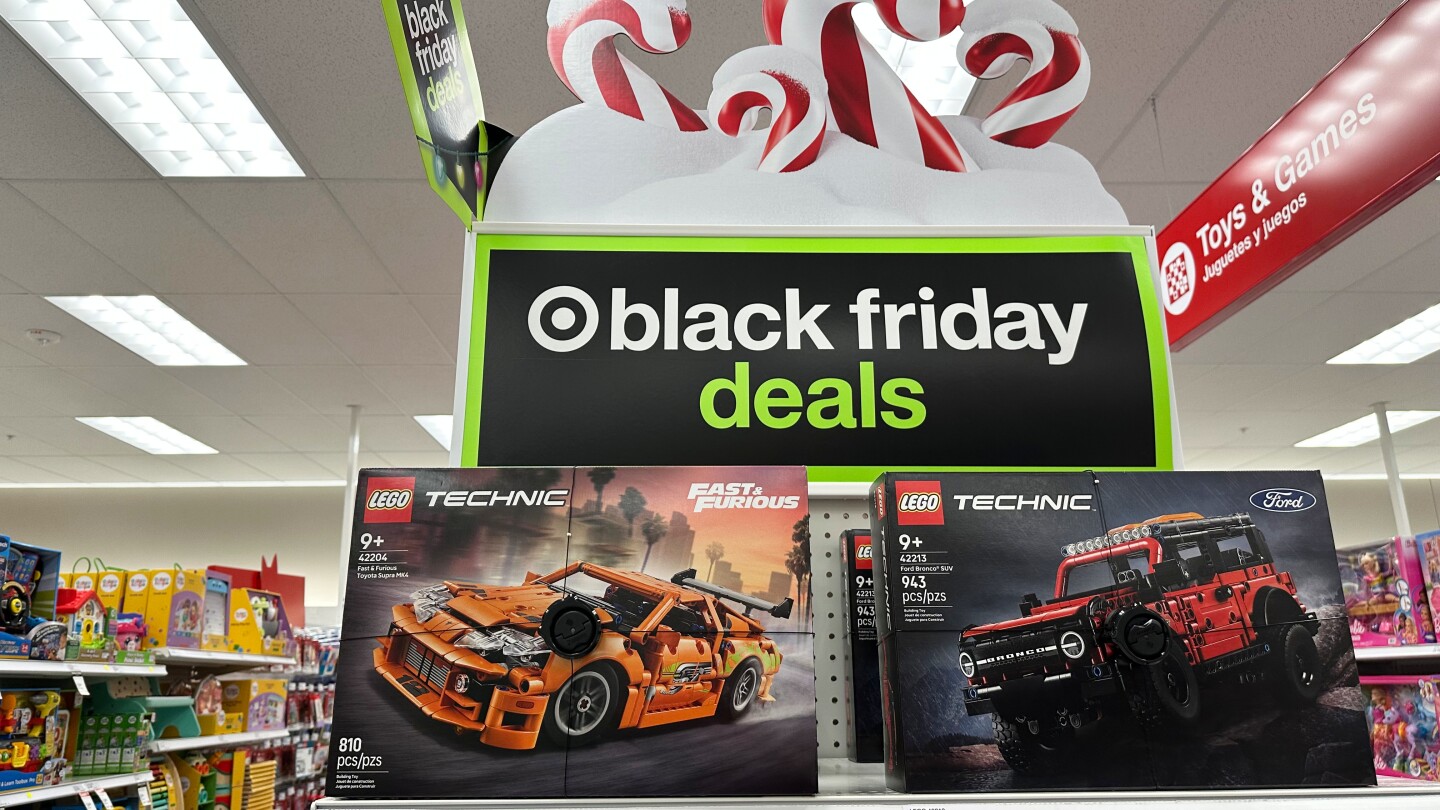
Black Friday no longer draws the frenzied midnight crowds and store aisle scuffles that once defined the post-Thanksgiving shopping tradition. The chaotic scenes of shoppers fighting over limited-quantity doorbusters have largely disappeared, replaced by extended discount periods and the convenience of online shopping.
Despite these changes, Black Friday remains the single busiest in-store shopping day of the year, maintaining its status as the unofficial launch of the holiday shopping season. Retailers nationwide still prepare for a significant influx of foot traffic, even as consumer habits continue to transform.
This year’s shopping season begins against a backdrop of economic uncertainty. Consumer confidence fell in November following the federal government shutdown, disappointing hiring numbers, and persistent inflation, according to data released Tuesday by The Conference Board. This economic anxiety has created a more complex retail landscape where shoppers are simultaneously price-conscious and willing to spend on special occasions.
“Consumers have been saying the economy is terrible while continuing to spend for years now, so the outlook is probably better than they are telling us,” noted Bill Adams, chief economist at Comerica Bank. “But business surveys also report consumers are being more sensitive to prices and selective in spending.”
The holiday retail season has been further complicated by tariff concerns. Retailers spent much of their planning period wrestling with the volatility of President Donald Trump’s tariff policies on imported goods. Many accelerated shipments or absorbed some import tax costs rather than passing them entirely to consumers.
The impact of these tariffs has been substantial in certain product categories. Market research firm Circana reports that 40% of general merchandise sold in September experienced price increases of at least 5% compared to earlier in the year. The toy industry has been particularly affected, with 83% of toys seeing similar price hikes. The Toy Association states that nearly 80% of toys sold in the United States are manufactured in China, which has faced especially high tariffs at various points throughout the year.
Despite these challenges, early indicators suggest solid momentum heading into Black Friday week. Jill Renslow, chief business development and marketing officer at Mall of America in Bloomington, Minnesota, reported foot traffic in recent weeks surpassing pre-pandemic 2019 levels.
“We’re seeing a very positive start to the holiday season,” Renslow said. “The last few Saturdays in November have been very strong.”
Online sales have shown robust growth as well. Consumers spent $79.7 billion online between November 1 and November 23, according to Adobe Analytics. This represents a 7.5% increase from last year, exceeding Adobe’s 5.3% growth forecast for the season.
Mastercard SpendingPulse predicts a 3.6% increase in holiday sales from November 1 through December 24, compared to 4.1% growth last year. “Clearly, there’s uncertainty,” said Mastercard Chief Economist Michelle Meyer. “Clearly, consumers feel on edge. But at the moment, it doesn’t seem like it’s changing how they are showing up for this season.”
For bargain hunters, timing matters. Adobe Analytics suggests Thanksgiving Day offered the deepest online discounts on sporting goods, while Black Friday presents the best opportunities for deals on TVs, toys, and appliances. Cyber Monday is expected to deliver the most significant savings on apparel and computers, with clothing discounts projected to reach 25% off manufacturer’s suggested prices, compared to just 12.2% in early November.
As retailers navigate this complex landscape of changing consumer behavior, economic uncertainty, and international trade tensions, the holiday shopping season continues to evolve. Yet Black Friday’s position as a cultural and commercial milestone endures, even as its character transforms to meet the realities of modern retail.
Fact Checker
Verify the accuracy of this article using The Disinformation Commission analysis and real-time sources.

12 Comments
The Black Friday tradition has certainly come a long way. I wonder if the decline in frenzied in-store scenes is a positive development, creating a more pleasant shopping environment. Curious to see how this year’s holiday sales shape up given the economic headwinds.
I agree, the calmer Black Friday experience could be better for both shoppers and retailers. But you’re right, the economic climate will be a key factor in determining the strength of holiday sales.
As a commodities investor, I’m particularly interested in how consumer demand and spending patterns might impact mining and energy stocks this holiday season. Inflation and economic uncertainty could create some volatility, but there may also be opportunities for savvy investors.
That’s a good point. The mining and energy sectors are closely tied to consumer spending, so it will be important to monitor how the holiday shopping trends unfold and how that might affect related equities.
With economic concerns looming, I wonder if we’ll see consumers gravitating more towards essential purchases and cutting back on discretionary spending this holiday season. That could have ripple effects across various industries, including mining and commodities.
That’s a valid concern. Discretionary spending is often the first to be impacted when consumers tighten their belts. Retailers and commodity-linked companies will need to closely monitor consumer sentiment and adjust their strategies accordingly.
The article highlights the evolving nature of Black Friday and the holiday shopping season. It will be interesting to see how retailers adapt their strategies to cater to the changing consumer preferences and economic conditions. As an investor, I’ll be closely following the trends in this space.
Absolutely. Retail and consumer trends are crucial data points for investors to monitor, especially in sectors like mining and commodities that are heavily influenced by consumer demand. It will be a dynamic holiday season to watch.
Interesting to see how Black Friday has evolved over the years. The shift to more online shopping and extended discount periods reflects the changing consumer behavior. It will be telling to see how economic uncertainties impact this year’s holiday shopping season.
You make a good point. Retailers will need to be nimble in adapting their strategies to balance consumer price-consciousness with the desire for a festive shopping experience.
The shift to more online shopping during Black Friday is an interesting trend. It will be crucial for retailers to balance their digital and physical offerings to provide a seamless omnichannel experience for consumers. Curious to see how they navigate this evolving landscape.
Absolutely. Omnichannel strategies will be key for retailers to stay competitive and meet the changing consumer preferences. It will be a delicate balance to strike.