


Listen to the article
Britain has issued a stern warning to Russia after detecting the Russian spy ship Yantar operating on the edge of UK territorial waters north of Scotland.
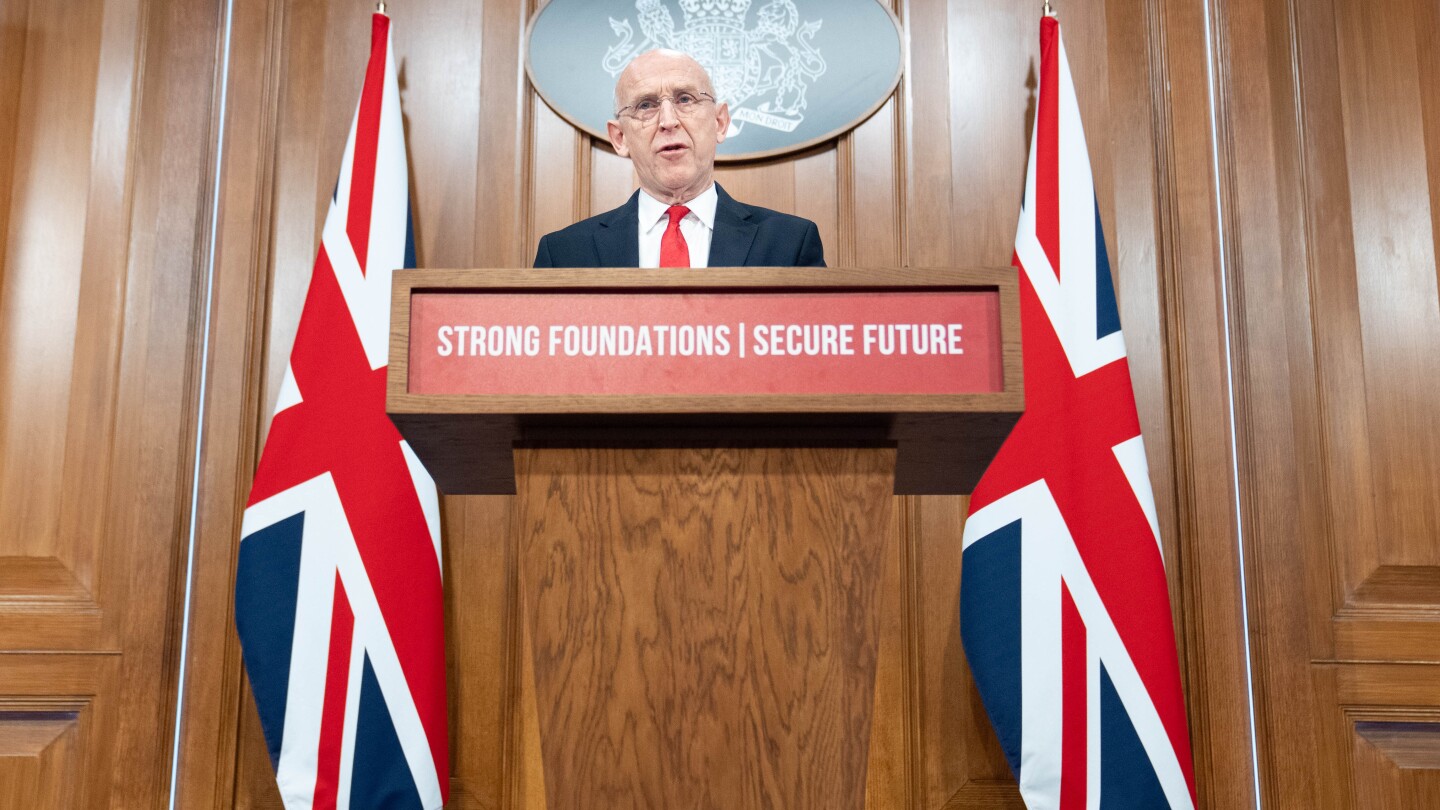
Defense Secretary John Healey revealed that the vessel had directed lasers at pilots of British surveillance aircraft monitoring its activities, escalating tensions between the two nations.
“My message to Russia and to Putin is this: We see you. We know what you’re doing. And if the Yantar travels south this week, we are ready,” Healey declared during a speech in London on Wednesday.
The Russian embassy responded by accusing the British government of “Russophobic” rhetoric and “whipping up militaristic hysteria,” insisting that Moscow has no interest in undermining UK security. This exchange marks the latest chapter in deteriorating relations between the two countries since Russia’s invasion of Ukraine in 2022.
British officials described the Yantar as part of the Russian navy, designed for surveillance during peacetime and potential sabotage during conflict. The vessel is reportedly capable of targeting critical undersea infrastructure like pipelines and communications cables.
“It is part of a Russian fleet designed to put and hold our undersea infrastructure and those of our allies at risk,” Healey explained, making reference to suspicious attacks on pipelines and cables beneath the Baltic Sea earlier this year.
This isn’t the Yantar’s first appearance near British waters. Healey noted that after a similar warning last year, the vessel retreated to the Mediterranean. When it later navigated through the English Channel in January, the Royal Navy deployed HMS Somerset, a frigate tasked with homeland defense, to shadow the Russian ship.
The warning comes as part of a broader push by the Defense Secretary to make the case for increased military spending ahead of the government’s upcoming budget announcement next week. Prime Minister Keir Starmer has previously pledged significant increases in defense spending to counter what the UK sees as growing threats from Russia, China, and Iran.
However, the Labour government faces difficult fiscal choices as it confronts a multi-billion-pound shortfall in public finances, potentially necessitating tax increases and spending cuts in other sectors.
In the same speech, Healey announced plans to construct at least six new munitions factories across Britain, from Scotland to Wales. The government committed £1.5 billion ($2 billion) to this project in June, with expectations of creating at least 1,000 jobs while ensuring the military maintains a steady supply of explosives, propellants, and pyrotechnics. The move represents part of the UK’s strategy to enhance domestic defense production capabilities.
Healey emphasized that the UK must adapt to what he described as a “new era of hard power,” citing multiple global flashpoints including the ongoing conflict in the Middle East, tensions between India and Pakistan, Chinese espionage targeting democratic institutions in Britain, and Russia’s continued war in Ukraine.
“This is a new era of threat. It demands a new era for defense, an era of hard power, strong allies and of sure diplomacy,” Healey stated. “And as the threat grows, Britain must step up, and we are.”
In June, Britain pledged to increase defense spending to 5% of GDP by 2035, aligning with most other NATO nations. This commitment includes 3.5% on core defense spending and an additional 1.5% on defense-supporting infrastructure projects. For comparison, the UK spent approximately 2.3% of GDP on defense last year, highlighting the substantial increase being proposed.
The confrontation over the Yantar’s activities reflects growing concern among Western nations about Russia’s capabilities and intentions regarding critical undersea infrastructure, which carries everything from internet communications to energy supplies between continents.
Fact Checker
Verify the accuracy of this article using The Disinformation Commission analysis and real-time sources.

8 Comments
The UK’s warning to Russia reflects the seriousness of the situation, but I hope this can be resolved through diplomatic channels rather than military confrontation. Maintaining security is important, but avoiding unnecessary escalation is crucial given the fragile state of Russia-West relations.
Agreed, diplomacy should be the priority here. Both sides need to exercise restraint and find a peaceful resolution that upholds international norms without inflaming tensions further.
This is an interesting situation with the Russian spy ship Yantar operating near UK waters. It seems the UK government is taking it seriously and is ready to respond if needed. I wonder what capabilities this ship has and if there are concerns about potential sabotage of undersea infrastructure.
The UK’s warning to Russia seems measured but firm. Monitoring foreign naval activity and being prepared to respond is prudent, especially given the current tensions.
Spy ships and surveillance activities are always concerning, especially in sensitive maritime regions. The UK is right to monitor the situation closely and be prepared to defend its interests. However, I hope cooler heads prevail and this doesn’t escalate into a more dangerous confrontation.
The UK’s response appears proportionate – acknowledging the Russian activity, warning of consequences if needed, but avoiding overly confrontational language. Maintaining security vigilance is important, but open diplomacy is also crucial to manage these types of incidents.
I agree, the UK is taking a balanced approach here. Calling out the concerning behavior while keeping communication channels open is likely the best way to handle this sensitive situation.
This is a tricky situation that requires careful diplomacy. While the UK has a right to protect its territorial waters, an overly aggressive response could backfire and worsen tensions. I hope both sides can work to de-escalate the situation through open communication and measured actions.