


Listen to the article
British Prime Minister Keir Starmer defended his Treasury chief on Monday against mounting accusations that she misled both the public and financial markets about the country’s fiscal situation before introducing a controversial budget last week.
The allegations center on Chancellor of the Exchequer Rachel Reeves, who delivered a tax-raising budget aimed at reducing government borrowing, boosting infrastructure investment, enhancing public services, and stimulating economic growth in a country that has struggled with stagnation for years.
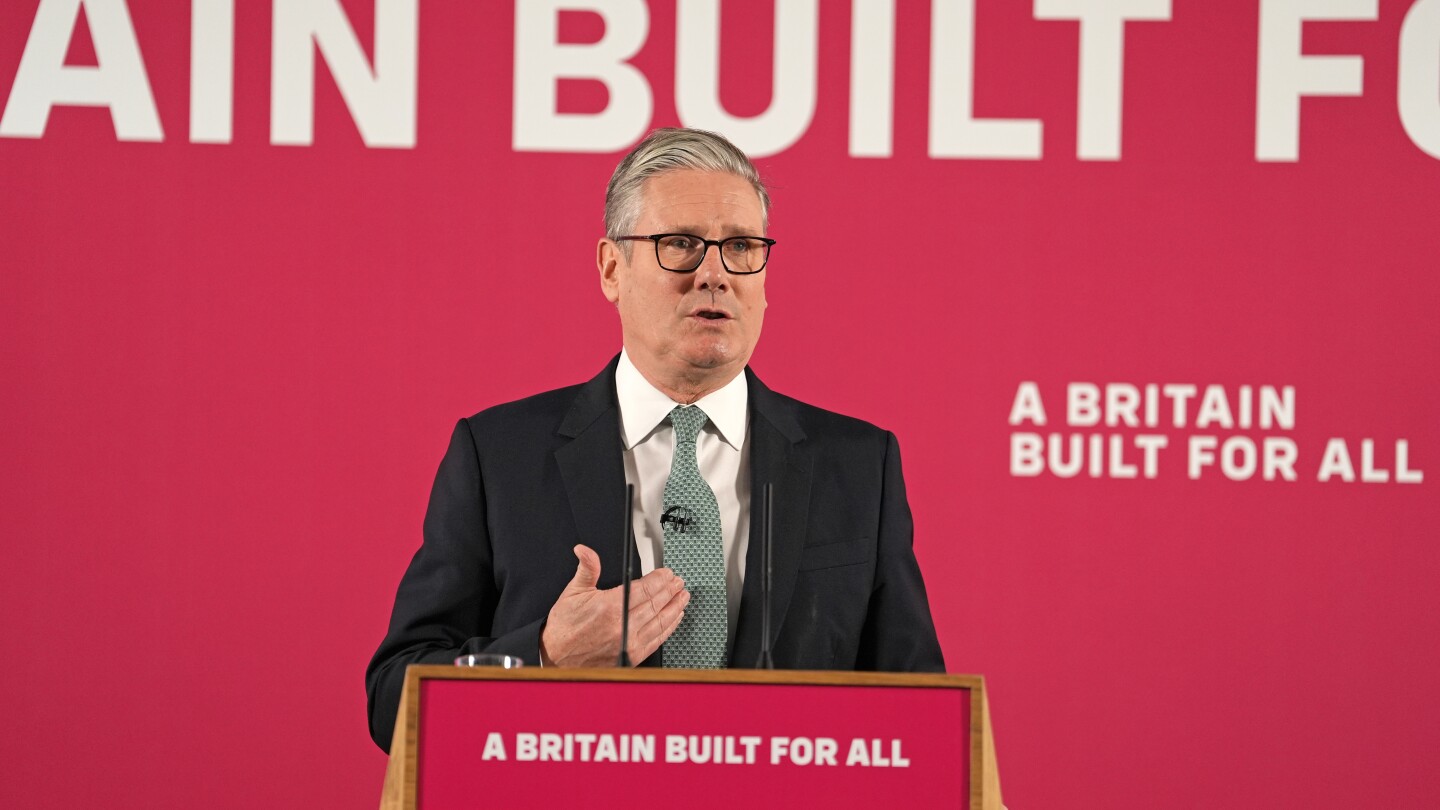
“There was no misleading,” Starmer insisted during a speech at a London community center, as opposition parties called for investigations into Reeves’ pre-budget communications.
The controversy stems from a speech Reeves gave three weeks before the budget, preparing the public for potential income tax increases—a move that would have broken a key Labour election pledge. Following significant backlash from within her own party and an improved forecast on public finances, Reeves ultimately opted for alternative revenue-raising measures.
Opposition politicians have seized on the timing, alleging that Reeves already knew the Office for Budget Responsibility’s (OBR) forecast was better than expected when she made her speech suggesting tax hikes were inevitable. The Conservatives and Scottish National Party have asked the Financial Conduct Authority to investigate, while Reform UK leader Nigel Farage has called for the government’s standards adviser to examine the matter.
Reeves has firmly denied any impropriety. On Sunday, she explained that the OBR had assessed tax revenue would be £16 billion ($21 billion) less than expected due to downgraded productivity forecasts—a significant budget shortfall, but smaller than previously reported figures that had circulated in British media.
“The OBR downgrade has had a big impact on the public finances. And that was why I would need to ask people to contribute more,” Reeves said, maintaining this statement was factually accurate when made.
The dispute highlights the political challenges facing Labour, which won a commanding victory in July 2024 after promising not to raise income taxes on working people. The budget ultimately included £26 billion ($34 billion) in tax increases, designed partly to create a financial buffer against future economic shocks. Critics argue these measures breach the spirit, if not the letter, of Labour’s campaign promises.
In his defensive speech, Starmer framed the budget decisions as necessary responses to inherited crises. “We confronted reality, we took control of our future and Britain is now back on track,” he said. “Bit by bit, you will see a country that no longer feels the burden of decline.”
Financial markets have reacted with relative calm to the budget, suggesting investors view the fiscal measures as responsible, despite the political controversy they have generated. The pound has remained stable, and government bond yields have not shown unusual volatility.
Starmer also signaled his government would pursue two politically sensitive initiatives: reducing Britain’s growing welfare expenditure and seeking a closer relationship with the European Union. The first risks alienating traditional Labour supporters, while the second will antagonize pro-Brexit politicians and voters.
On Brexit, Starmer acknowledged the economic impact of Britain’s EU departure, stating that the exit deal negotiated in 2020 had “significantly hurt our economy.” He added, “We have to keep moving toward a closer relationship with the EU,” suggesting potential trade and regulatory realignments that could boost growth but reignite divisive Brexit debates.
The budget controversy comes as Britain continues to grapple with economic challenges including sluggish productivity growth, public service pressures, and the lingering effects of both Brexit and the pandemic. Analysts suggest that while the tax measures may prove politically costly in the short term, they reflect the fiscal reality facing the new government as it attempts to rebuild public services after years of austerity.
Fact Checker
Verify the accuracy of this article using The Disinformation Commission analysis and real-time sources.

12 Comments
As an investor, I’m curious to see how this all plays out and what impact it may have on the markets, especially in mining and commodities. Transparency around economic forecasts is so important for business confidence.
Absolutely, investors need reliable information to make informed decisions. Any perceived lack of transparency could erode trust in the government’s handling of the economy.
This sounds like a complex political issue with implications for the broader UK economy. I hope the government can resolve the allegations transparently and restore public confidence.
Me too. Effective economic policymaking requires credibility and trust between officials and the public.
The UK economy has certainly faced challenges in recent years. It will be important for the government to balance fiscal responsibility with measures to stimulate growth and support public services. Clear communication from officials is crucial.
That’s a fair point. Navigating economic policy is tricky, but the public should be able to trust that leaders are being truthful about the situation.
As someone interested in mining and commodities, I’ll be watching this situation closely. Clear, honest communication from policymakers is crucial for stability in those industries.
Absolutely. Uncertainty around economic policy can create volatility, which is the last thing mining and commodity companies need.
While I don’t have strong opinions on UK politics, I do think it’s important for government leaders to be forthright about economic conditions. Misleading the public, even inadvertently, can have serious consequences.
Agreed. Transparency and accountability should be top priorities, especially when it comes to managing the economy.
This seems like a complicated political situation. While I’m not an expert, it’s concerning if the Treasury chief misled the public about the economy. Transparency and trust are crucial for effective governance.
Agreed, the public deserves honest and accurate information from their leaders. Hopefully the allegations can be properly investigated.