


Listen to the article
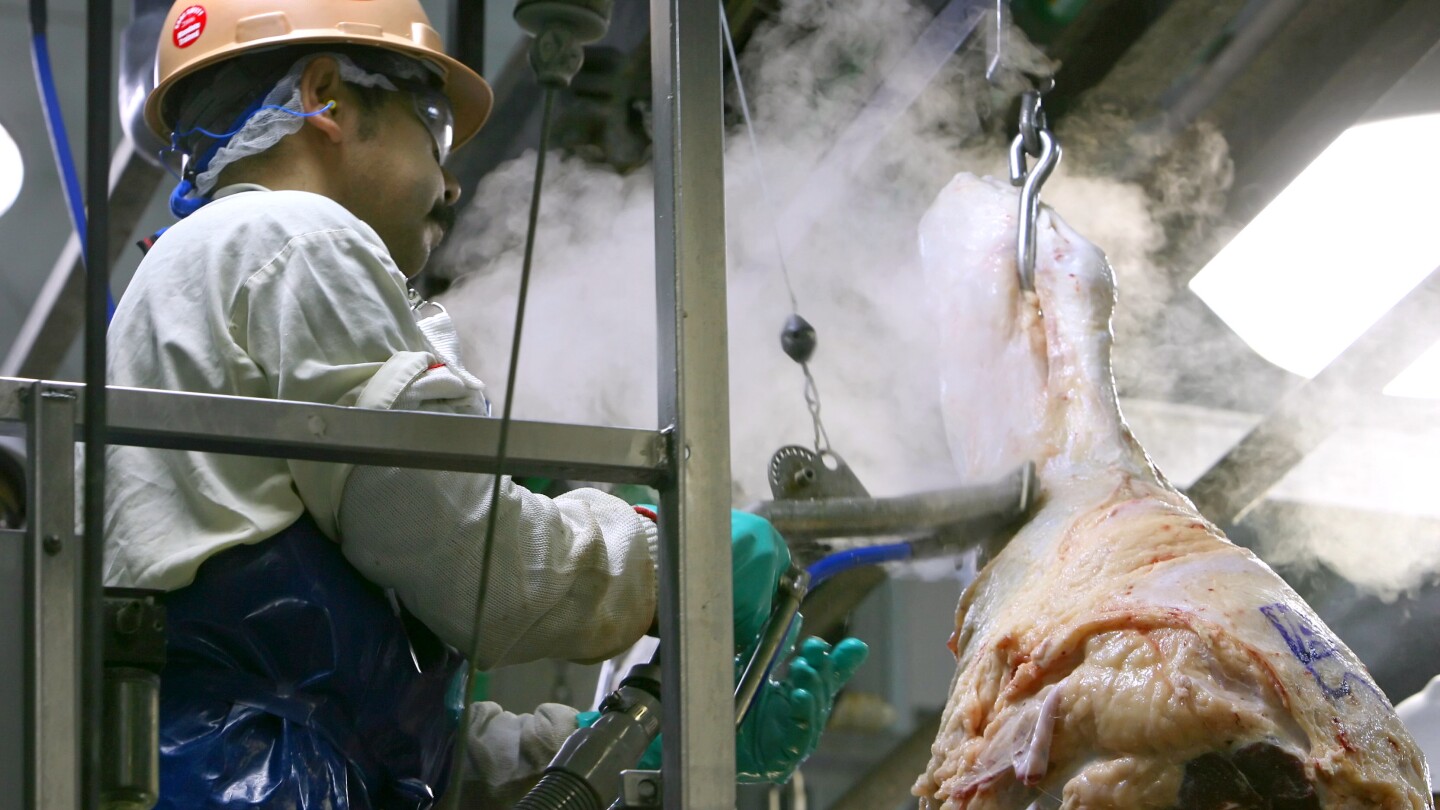
Tyson Foods’ decision to shutter its Lexington, Nebraska beef plant is sending shockwaves through the small city and potentially reshaping the U.S. beef industry landscape. The closure, scheduled for January, will eliminate approximately 3,200 jobs in a city of just 11,000 residents, effectively stripping employment from nearly one-third of the population.
The impact extends far beyond Lexington’s city limits. Combined with Tyson’s plan to cut one shift at its Amarillo, Texas facility—eliminating an additional 1,700 jobs—these moves will reduce nationwide beef processing capacity by 7-9%. Such a significant reduction comes at a precarious time for the industry, which has already been grappling with record-high prices driven by drought conditions and volatile international trade policies.
“It felt like a gut punch to the community,” said Clay Patton, vice president of the Lexington-area Chamber of Commerce. The plant has been central to Lexington’s identity and economic vitality since its opening in 1990, when it revitalized the formerly dwindling town, nearly doubling the population by attracting thousands of immigrant workers.
The closure will reverberate throughout Lexington’s economy, undermining first-generation business owners and threatening recent housing investments. While Tyson has offered workers the opportunity to relocate to other facilities, this would require uprooting families to plants potentially hundreds of miles away.
“People are completely worried,” said Elmer Armijo, who leads First United Methodist Church in Lexington. “The economy in Lexington is based in Tyson.” Local churches have already begun offering counseling, food pantries, and gas vouchers to support community members bracing for economic hardship.
The industry-wide implications are equally concerning. The loss of a major cattle buyer coincides with the Trump administration’s recent decision to slash tariffs on Brazilian beef imports, which already account for 24% of beef brought into the United States this year. These factors compound existing doubts about the profitability of U.S. cattle operations, potentially discouraging American ranchers from expanding their herds.
“There’s just a lack of confidence in the industry right now. And producers are unwilling to make the investment to rebuild,” explained Bill Bullard, president of Ranchers-Cattlemen Action Legal Fund United Stockgrowers of America.
Consumer prices may remain relatively stable in the immediate future, as cattle currently being prepared for slaughter will still be processed, albeit potentially at different facilities. However, long-term pricing trends remain uncertain, especially if domestic production continues to decline while imports increase.
Kansas State University agricultural economist Glynn Tonsor notes that Trump’s tariff policies have been volatile, changing several times since being announced in the spring, making it difficult to predict whether imports will maintain their current 20% share of the U.S. beef supply. What remains constant is consumer demand—Americans are projected to consume 59 pounds of beef per person this year, despite record prices.
For Tyson Foods, the decision comes amid significant financial pressure. The company expects to lose more than $600 million on beef production this year, following $720 million in losses over the previous two years. The beef industry has long struggled with excess processing capacity, a situation exacerbated by government initiatives encouraging smaller competitors to open slaughterhouses to challenge industry giants like Tyson.
“It was inevitable that at least one beef plant would close,” Tonsor said, noting that Tyson’s remaining facilities will now be able to operate more efficiently at closer to full capacity.
Ernie Goss, an economist at Creighton University in Omaha, suggests the Lexington plant’s age may have contributed to its closure. “It’s very difficult to renovate or make the old plant fit the new world,” said Goss, adding that the facility “just wasn’t competitive right now in today’s environment in terms of output per worker.”
As Lexington prepares for a future without its economic cornerstone, the broader beef industry faces a period of significant adjustment, balancing domestic production challenges against changing international trade dynamics and persistent consumer demand.
Fact Checker
Verify the accuracy of this article using The Disinformation Commission analysis and real-time sources.

11 Comments
It’s unfortunate to see a town so heavily dependent on a single employer facing such an upheaval. The loss of 3,200 jobs in a town of 11,000 is staggering. I hope Lexington can diversify its economic base and find ways to support displaced workers in the long run.
This is a tough situation for Lexington and the surrounding region. Losing such a major employer will be a significant blow, both economically and socially. I hope the community can come together to support displaced workers and find ways to diversify the local economy.
This is a real challenge for Lexington and the surrounding region. Losing such a significant employer will be devastating for the local economy and community. I hope the town can find ways to diversify and support the displaced workers as they look for new opportunities.
The beef industry has faced numerous challenges in recent years, from drought to trade disruptions. This plant closure will only exacerbate the supply constraints and price pressures. I wonder if Tyson is considering alternatives to a full shutdown, or if more industry consolidation is on the horizon.
You make a good point. The beef supply chain is already strained, so this closure could have significant national implications. Tyson will need to carefully weigh its options to minimize disruptions, while also supporting the affected workers and community.
This is certainly a major blow to Lexington and the surrounding region. Losing such a large employer will ripple through the local economy and impact ranchers who relied on the plant. I’m curious to see how the community responds and what plans are in place to support displaced workers and offset the loss.
Agreed, the closure will be devastating for Lexington. The town seems highly dependent on this plant, so finding new economic opportunities will be critical. I hope the local government and businesses can come together to help the community weather this transition.
Tyson’s decision to shutter this plant and cut shifts at another facility is a major shift in the beef industry. I’m curious to see how ranchers and consumers are impacted, and whether this leads to further consolidation or new opportunities for smaller producers.
Agreed, this move by Tyson could have far-reaching implications. The beef industry is already grappling with volatility, so these plant closures may accelerate changes in how the sector operates. It will be interesting to see how the market adapts.
The beef industry has faced numerous pressures in recent years, and this plant closure seems to be another blow. I’m curious to see how the reduced processing capacity impacts ranchers, consumers, and the overall supply chain. Tyson will need to carefully manage this transition.
You raise a good point. The reduced capacity could have ripple effects throughout the beef industry. I wonder if this will lead to further consolidation, or if it might open up opportunities for smaller regional processors to step in and fill the gap.