


Listen to the article
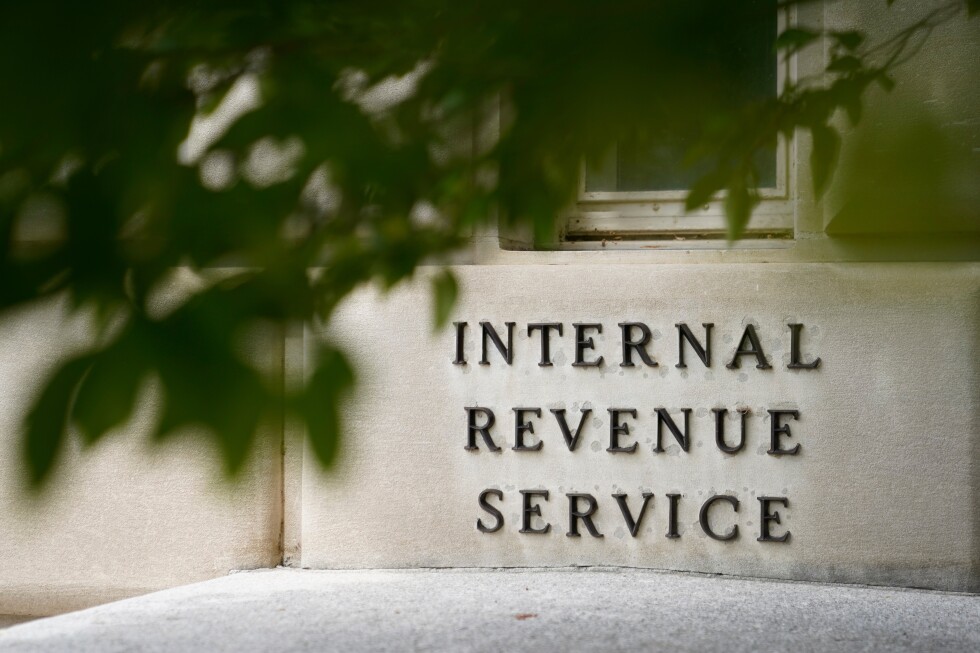
Legal experts have raised numerous questions about President Donald Trump’s unprecedented $10 billion lawsuit against the Internal Revenue Service over leaked tax information, calling into question the propriety of a president suing his own government while still in office.
Filed Thursday in federal court in Florida, the lawsuit includes Trump’s sons Donald Jr. and Eric as plaintiffs. They allege the leak of confidential tax records caused “reputational and financial harm, public embarrassment, unfairly tarnished their business reputations, portrayed them in a false light, and negatively affected President Trump, and the other Plaintiffs’ public standing.”
The case stems from actions by former IRS contractor Charles Edward Littlejohn, who was sentenced to five years in prison earlier this year after pleading guilty to leaking tax information about Trump and other wealthy Americans between 2018 and 2020. Littlejohn, who worked for government contractor Booz Allen Hamilton, provided the information to two news outlets that weren’t named in charging documents.
The timeline and details align with a 2020 New York Times investigation that revealed Trump paid just $750 in federal income taxes the year he entered the White House and paid no income tax at all in some years due to reported business losses. ProPublica also published extensive reporting on wealthy Americans’ tax information during this period.
While legal analysts acknowledge Trump has legitimate grounds for a claim against the IRS, many question both the $10 billion figure and the decision to pursue litigation at all. The disclosure violated IRS Code 6103, one of the strictest confidentiality laws in federal statutes, which provides a minimum remedy of $1,000 per disclosure for individuals whose tax information is improperly released.
The case could potentially establish a precedent for other high-net-worth individuals to seek compensation for the same leak. Littlejohn’s theft included tax records of other billionaires such as Jeff Bezos and Elon Musk.
“People are saying, well, if he can do it, then why can’t I do it?” said David Gair, a tax attorney with Troutman Pepper Locke in Dallas who represents individuals whose information was included in the leak. “I think you will have a lot more people filing similar lawsuits, thinking that they might be able to piggyback on what he’s doing.”
Some experts argue remedies have already been implemented for the breach. “The contractor who leaked this information has been imprisoned, the Trump administration’s Treasury Department canceled its contracts with the company that employed the leaker, and the IRS issued a rare public apology to taxpayers affected by the leak,” said Amy Hanauer, executive director at the Institute on Taxation and Economic Policy. She added that the IRS has pledged to strengthen data protection procedures.
Hanauer expressed concern that “even if an unbiased judge rightly rejects Trump’s demands as preposterous, there is a great danger that the IRS would ‘agree’ to settle and pay out an enormous sum of taxpayer dollars to Trump.”
The situation creates an unusual constitutional scenario with Trump simultaneously serving as the chief executive overseeing the IRS and as a plaintiff suing the agency. When questioned by reporters about this conflict, Trump referenced a previous complaint he filed against the Department of Justice seeking approximately $230 million in damages over investigations into his 2016 campaign’s Russia ties and the 2022 Mar-a-Lago classified documents case.
Trump suggested he’s supposed to “work out a settlement with myself” and indicated any settlement funds might go to charity. “We could make it a substantial amount. Nobody would care because it’s going to go to numerous very good charities,” Trump said Saturday. The White House has not provided details about which organizations might receive settlement money.
Legal experts note that while individuals whose tax information has been leaked don’t have to prove compensatory damages under the law, Trump’s additional claim for punitive damages raises the stakes significantly.
Gair questioned whether Trump could demonstrate genuine financial harm, especially given recent lucrative business deals secured since his re-election. “It’s hard for me to believe that he really had any losses, but maybe,” Gair said.
Fact Checker
Verify the accuracy of this article using The Disinformation Commission analysis and real-time sources.

15 Comments
The president suing his own government over leaked tax information is certainly an unusual move. I hope the courts can provide a clear and impartial assessment of the legal merits of this case, without getting caught up in the political drama.
Interesting development in the long-running saga around Trump’s tax returns. I’m curious to see how this lawsuit plays out and what implications it may have for presidential transparency and accountability moving forward.
Yes, this is a highly politically charged issue. It will be important for the courts to carefully examine the merits of the case and uphold the rule of law, regardless of the political sensitivities involved.
An intriguing development in the ongoing saga around Trump’s tax returns. I’ll be curious to see how the courts rule on the merits of this lawsuit and what implications it may have for presidential transparency going forward.
This lawsuit certainly raises some tricky questions around the balance between a president’s privacy and the public’s right to know. It will be important for the courts to carefully consider the legal arguments and the broader ramifications.
Absolutely. This is a complex issue without easy answers. The courts will need to weigh the valid concerns on both sides and render a decision that upholds the rule of law.
Curious to see how this lawsuit plays out. On one hand, the president has a right to privacy, but on the other, there are important public interest concerns around transparency of elected officials’ finances. It’s a complex issue without easy answers.
I agree, this is a delicate balance. The courts will need to carefully consider the legal arguments as well as the broader implications for presidential accountability.
While I understand the president’s desire to protect his privacy, suing the IRS over leaked tax information does seem like a concerning abuse of power. The public has a right to know about the finances of their elected leaders.
While I understand the desire for privacy, a sitting president suing the IRS over leaked tax information does seem like an overreach. The public has a legitimate interest in the finances of their elected leaders, within reason.
This lawsuit certainly raises some ethical concerns. It’s unusual for a sitting president to sue their own government, especially over leaked tax information. Transparency around the president’s finances is an important issue for the public.
I agree, the conflict of interest is quite concerning. The public deserves to know the facts behind this case and how it may impact the presidency.
This lawsuit highlights the ongoing tension between a president’s personal interests and their responsibility to the public. It will be important for the courts to carefully weigh the legal merits of this case against broader issues of transparency and accountability.
While I understand the desire for privacy, a sitting president suing the IRS over leaked tax information does raise some red flags. The public deserves transparency around the finances of their elected leaders, within reasonable limits.
Agreed. This lawsuit seems like an attempt to undermine public scrutiny, which is concerning. The courts will need to carefully weigh the legal arguments and the broader public interest.