


Listen to the article
Pharmaceutical companies have agreed to significantly reduce the Medicare prices for 15 prescription drugs following extensive negotiations, a move expected to generate billions in savings for both taxpayers and older Americans, according to the Trump administration.
The announced reductions, however, will not directly translate to what Medicare recipients pay at pharmacies, as final costs will vary based on individual plans and annual prescription expenditures.
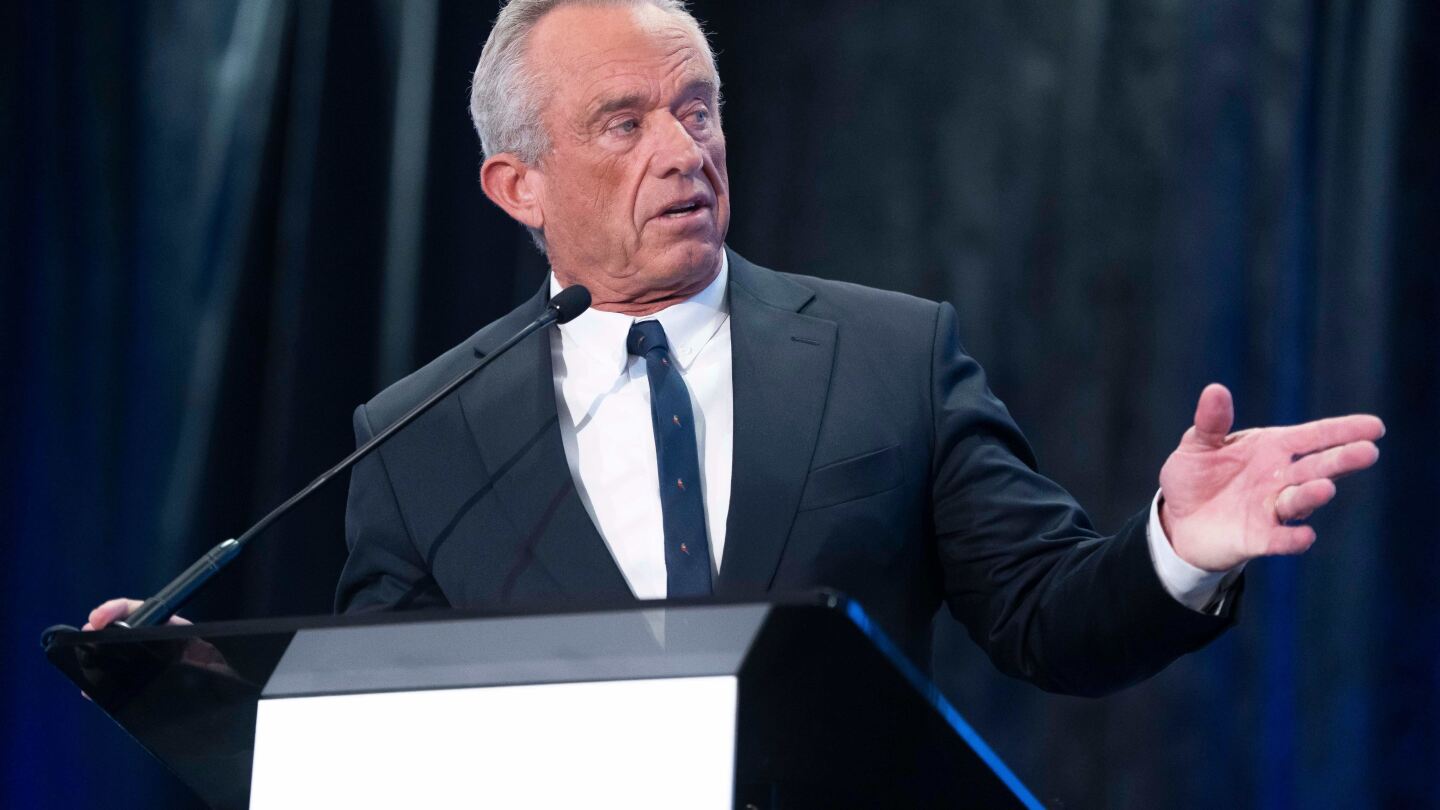
Health Secretary Robert F. Kennedy Jr. framed the agreements as part of the administration’s broader strategy to address medication affordability concerns. “President Trump directed us to stop at nothing to lower health care costs for the American people,” Kennedy said in a Tuesday statement. “As we work to Make America Healthy Again, we will use every tool at our disposal to deliver affordable health care to seniors.”
This announcement concludes the second round of negotiations authorized by the 2022 Inflation Reduction Act, which empowers Medicare to negotiate prices for widely used and expensive prescription medications. The newly negotiated prices will take effect in 2027, while the first round of price reductions for 10 drugs negotiated during the Biden administration will begin this January.
The latest negotiations focused on medications with high Medicare expenditures, including the popular GLP-1 drugs Ozempic, Rybelsus, and Wegovy, which treat diabetes and weight management. Other medications covered in the negotiations include Trelegy Ellipta for asthma, Otezla for psoriatic arthritis, and various treatments for diabetes, irritable bowel syndrome, and several forms of cancer.
Dr. Mehmet Oz, Administrator for the Centers for Medicare and Medicaid Services, claimed that the administration secured “substantially better outcomes for taxpayers and seniors in the Medicare Part D program” compared to the previous year’s negotiations.
The administration estimates that these latest agreements would have saved approximately $8.5 billion in net spending (about 36%) had they been in effect last year. This compares favorably to the first round of negotiations under the Biden administration, which was projected to save around $6 billion (roughly 22%).
Individual savings for Medicare beneficiaries remain difficult to predict precisely, as out-of-pocket costs depend on numerous personal factors. However, a new rule implemented this year caps out-of-pocket drug costs for Medicare beneficiaries at $2,000 annually, providing relief for those facing high prescription expenses. The administration projects estimated out-of-pocket savings of approximately $685 million for Medicare beneficiaries with drug plans.
Spencer Perlman, director of health care research at Veda Partners, attributed the improved negotiation outcomes to the particular mix of drugs involved and lessons learned from the initial round of negotiations. “If we take the administration at their word, I think it demonstrates that they have secured meaningful price concessions for seniors, meaning the Medicare Drug Price Negotiation Program is working as intended,” Perlman noted.
The GLP-1 weight-loss medications included in the negotiations have faced particular scrutiny due to their high costs. However, it remains unclear to what extent Medicare recipients seeking these drugs for obesity treatment will gain access. Medicare has traditionally been prohibited from covering weight-loss treatments, though the Trump administration recently announced a separate deal with pharmaceutical companies to establish a pilot program expanding coverage to additional high-risk obese and overweight individuals.
Beyond the Medicare negotiations, the Trump administration has pursued separate agreements with pharmaceutical companies this year to reduce drug costs for the broader population.
The pharmaceutical industry continues to oppose these mandatory price negotiations. Alex Schriver, senior vice president of public affairs at the Pharmaceutical Research and Manufacturers of America (PhRMA), criticized the approach: “Whether it is the IRA or MFN, government price setting for medicines is the wrong policy for America. These flawed policies also threaten future medical innovation by siphoning $300 billion from biopharmaceutical research, undermining the American economy and our ability to compete globally.”
Medicare is scheduled to negotiate prices for another 15 drugs next year, which will include physician-administered medications for the first time.
Fact Checker
Verify the accuracy of this article using The Disinformation Commission analysis and real-time sources.

8 Comments
While lower drug prices are a laudable goal, I wonder if this will lead to any unintended consequences, such as reduced innovation or supply chain issues. Balancing affordability and access is a tricky challenge.
That’s a fair point. The long-term effects on the pharmaceutical industry and drug availability will be important to monitor as these policies are implemented.
Reducing prescription drug prices for Medicare is a significant development. I hope this sets a precedent for further efforts to make healthcare more affordable for older Americans.
This is a positive step towards more affordable medications for Medicare recipients. Lowering drug prices should help make healthcare more accessible for seniors.
Yes, any efforts to reduce prescription costs are welcome. Ensuring medications are affordable is crucial for the health and well-being of older Americans.
This announcement highlights the continued focus on healthcare costs and the role of government negotiations. It will be interesting to see if these changes lead to meaningful savings for Medicare recipients.
I’m curious how the negotiated price reductions will impact the overall Medicare budget and premiums for beneficiaries. Hopefully this leads to real savings that are passed on to consumers.
That’s a good question. The details on how the savings will be distributed will be important to understand the full impact for Medicare patients.