


Listen to the article
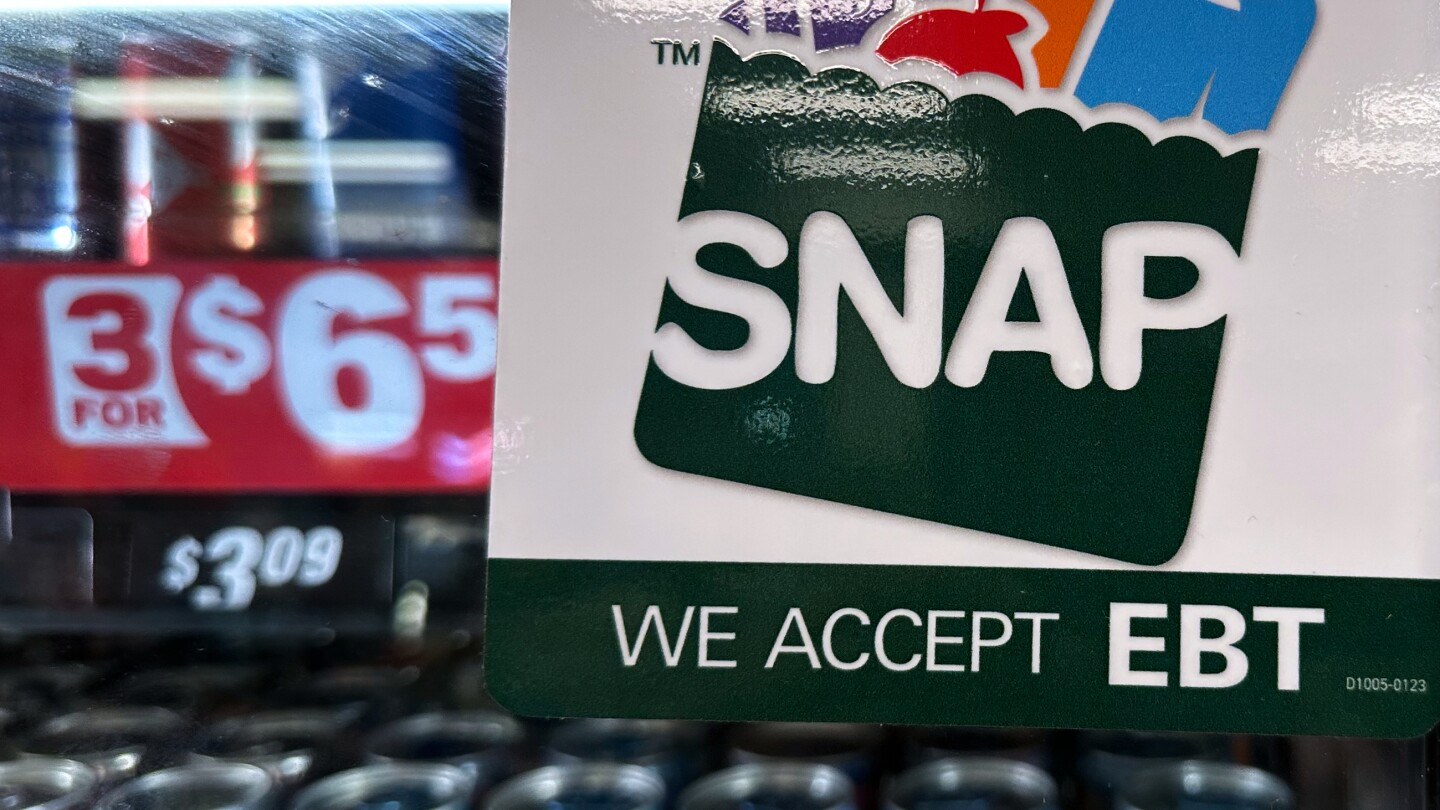
The Trump administration announced plans Tuesday to withhold Supplemental Nutrition Assistance Program (SNAP) benefits from recipients in most Democratic-led states beginning next week, unless those states provide detailed information about aid recipients.
Agriculture Secretary Brooke Rollins, speaking at a Cabinet meeting, said the action stems from these states’ refusal to share data the department requested in February, including names and immigration status of benefit recipients. Rollins emphasized that such cooperation is necessary to combat fraud in the program.
“We asked for all the states for the first time to turn over their data to the federal government to let the USDA partner with them to root out this fraud, to make sure that those who really need food stamps are getting them,” Rollins said, “but also to ensure that the American taxpayer is protected.”
The dispute has already entered the legal system. Twenty-two states and the District of Columbia filed lawsuits over the information request when it was initially made in February. A federal judge in San Francisco temporarily barred the administration from collecting the information from these jurisdictions.
Last week, the federal government sent letters to the states insisting on compliance, with a December 8 deadline for response. Meanwhile, Rollins cited data provided by 28 other states—those with Republican governors plus North Carolina—claiming it reveals 186,000 deceased individuals receiving SNAP benefits and 500,000 recipients collecting benefits multiple times.
However, Rollins’ office has not released detailed information about the extent of the alleged fraud or the amount of benefits improperly obtained.
SNAP represents a crucial safety net for approximately 42 million lower-income Americans—about one in eight citizens. The average monthly benefit amounts to roughly $190 per person, which translates to just over $6 per day. The program’s annual budget approaches $100 billion.
Experts in food assistance policy note that while fraud exists within the program, organized criminal operations pose a more significant threat than individual beneficiaries. U.S. Rep. Jahana Hayes, a Connecticut Democrat who co-sponsored legislation to reverse recent SNAP changes, criticized Rollins’ approach as lacking transparency and mischaracterizing the program.
“Individuals who are just trying to buy food, those aren’t the ones who aren’t gaming the system in the way that the administration is trying to portray,” Hayes said in an interview Tuesday before Rollins announced the withholding plan.
Democratic officials responded swiftly to the announcement. Claire Lancaster, spokesperson for Minnesota Governor Tim Walz, said, “The Governor wishes President Trump would be a president for all Americans rather than taking out his political vendettas on the people who need these benefits the most. Whether it’s threatening highway funding or food assistance, the President is making malicious decisions that will raise prices and harm families.”
New York Governor Kathy Hochul was equally direct, tweeting, “Genuine question: Why is the Trump Administration so hellbent on people going hungry?”
SNAP has found itself in the political spotlight repeatedly this year. Earlier, as part of Trump’s tax and policy legislation, work requirements were expanded to include people between ages 55 and 64, as well as homeless individuals and others previously exempt.
The program faced another challenge during the recent federal government shutdown when the administration planned to withhold November benefits. Court battles ensued, but the government reopened before a final determination, allowing benefits to resume. During this period, several states prepared contingency plans to fund benefits independently, while most increased support for local food banks.
The current standoff highlights the growing politicization of food assistance programs that have historically enjoyed bipartisan support. As the December 8 deadline approaches, millions of vulnerable Americans find themselves caught in a dispute between federal authorities and state governments over data sharing and program administration—a dispute that could directly impact their ability to put food on the table during the holiday season.
Fact Checker
Verify the accuracy of this article using The Disinformation Commission analysis and real-time sources.

7 Comments
This seems like another example of the partisan divide in US politics. While fraud prevention is important, withholding food assistance from vulnerable people feels heavy-handed. I hope cooler heads can prevail and they find a pragmatic solution that works for everyone.
This feels like another political tug-of-war that could end up hurting vulnerable people. While data transparency is important, the administration should find a way to work cooperatively with states rather than unilaterally withholding critical aid. Hopefully cooler heads will prevail.
As someone who has used SNAP benefits in the past, I’m concerned about the potential impact of this move. While fraud should be addressed, denying food assistance to struggling families seems cruel. I hope the states and federal government can negotiate a fair compromise.
This seems like a politically-charged move by the Trump administration. While combating fraud is important, withholding critical food assistance from vulnerable families is questionable. I hope both sides can work together to find a reasonable solution that protects taxpayers without harming those in need.
I appreciate the administration’s goal of rooting out fraud in SNAP, but this approach of withholding benefits seems counterproductive and likely to hurt those most in need. Perhaps there’s a middle ground where data can be shared responsibly to improve the program’s integrity.
I’m curious to learn more about the data the federal government is requesting and the states’ concerns around privacy and overreach. Transparent data-sharing between states and the USDA could help improve SNAP integrity, but it needs to be done carefully to balance those interests.
That’s a fair point. There are likely valid concerns on both sides that need to be worked out through good-faith negotiations, not political grandstanding.