


Listen to the article
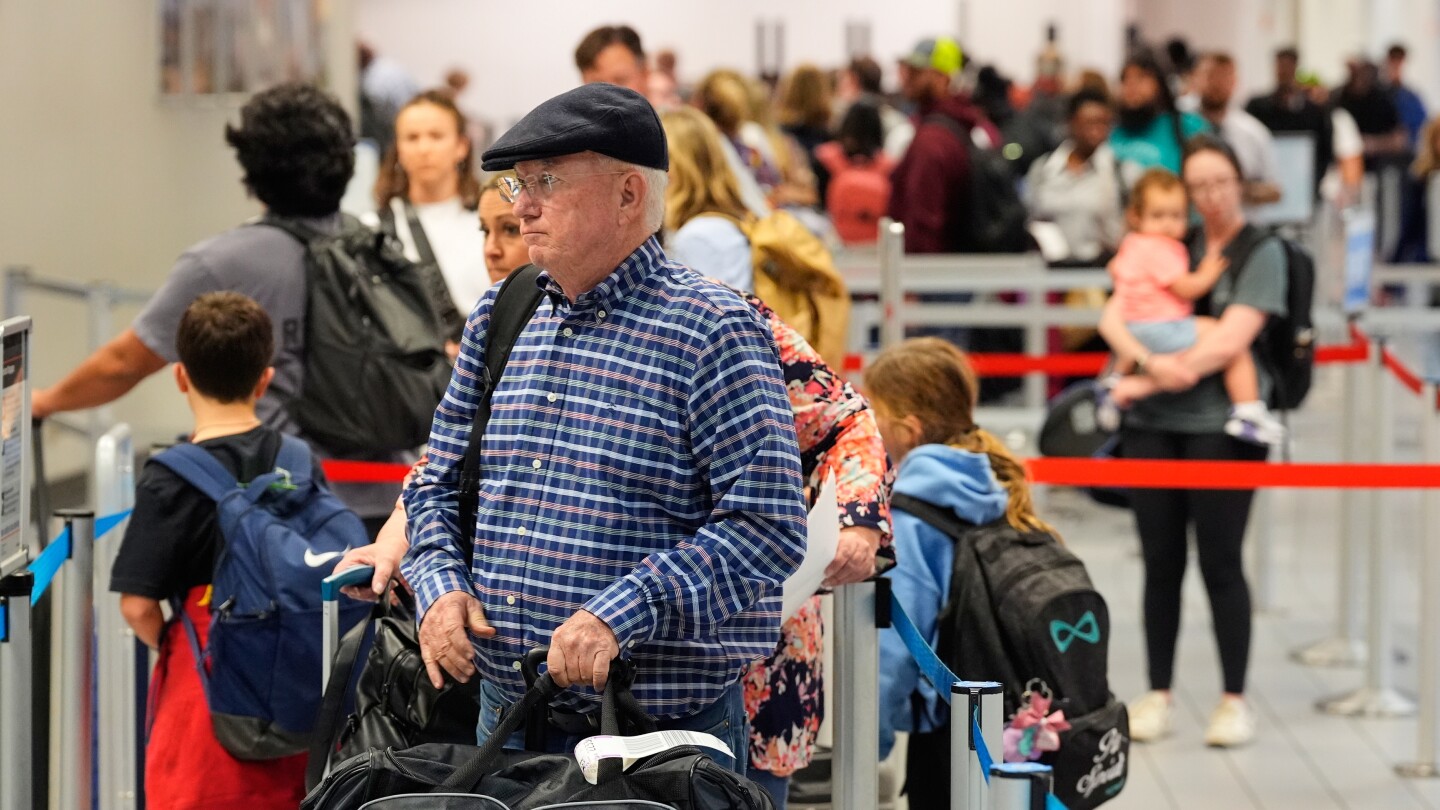
Thanksgiving travel season is expected to break records this year, with experts urging travelers to prepare for packed airports and congested highways across the United States. Following the recent government shutdown, the aviation industry is now focused on managing what’s projected to be the busiest holiday travel period in 15 years.
“I think the shutdown at this point is history for air travel. The airlines understand this time of year so well. They know exactly what they need to do,” said Sheldon H. Jacobson, an airport and airlines operations expert. “The real challenge is making sure travelers can help themselves.”
The Federal Aviation Administration anticipates more than 360,000 flights between Monday and the Tuesday after Thanksgiving. This translates to approximately 17.8 million passengers who will undergo Transportation Security Administration screening during this period.
On the roads, AAA projects a significant increase in travelers compared to last year, with an additional 1.3 million people driving to their destinations, bringing the total to at least 73 million motorists nationwide.
Weather concerns remain a critical factor for holiday travelers. Tuesday, expected to be the FAA’s busiest day with over 52,000 scheduled flights, could see rain affecting major transportation hubs in the Pacific Northwest and across the eastern United States. Airports in Atlanta, Chicago, New York, Philadelphia, Seattle, and Washington, D.C. may experience weather-related delays, according to forecasts from the Weather Channel.
James Belanger, vice president of meteorology at the Weather Company, recommends that travelers check forecasts regularly and have contingency plans ready. “You can’t control the weather, but you can control how prepared you are if a winter storm hits,” he advised. The Weather Channel offers a specialized Thanksgiving forecast highlighting potential weather impacts on major travel routes.
Preparation extends beyond weather monitoring. Jacobson, whose research contributed to the development of TSA PreCheck, suggests travelers begin packing by first unpacking their luggage to ensure no prohibited items remain from previous trips.
“If you’re traveling with gifts, consider wrapping them at your destination,” Jacobson recommends, noting that TSA officers may need to unwrap presents during security screening.
Documentation requirements have also evolved. Travelers should remember that a REAL ID is now required for domestic flights unless they have alternative acceptable identification such as a passport or military ID. Apple users can now add U.S. passport details to their Apple Wallet, which can be scanned at participating airports. Currently, more than a dozen states accept some form of mobile ID at airport checkpoints.
For the 73 million Americans planning road trips, AAA spokesperson Aixa Diaz emphasizes vehicle preparation. “Check your tires, car battery and fluids, then hit the road with a full tank of gas as early as possible to avoid traffic,” she advised. Last Thanksgiving, AAA responded to nearly 600,000 emergency roadside assistance calls for issues including dead batteries, flat tires, and empty gas tanks.
Traffic patterns analyzed by Google Maps indicate Wednesday will see 14% heavier traffic than usual between 10 a.m. and 4 p.m., peaking from 1 p.m. to 3 p.m. On Thanksgiving Day itself, roads will be most congested between noon and 3 p.m. For return travel, avoiding the roads between noon and 3 p.m. on both Saturday and Sunday is recommended to escape the heaviest traffic.
Technological tools can also enhance the travel experience. Downloading airline apps allows passengers to track flight status in real-time and quickly seek alternatives if flights are canceled. “The best passenger is an informed passenger,” Jacobson noted.
Experts universally recommend building in extra time, regardless of transportation mode. Allowing buffer time can reduce stress, particularly for those traveling with young children or individuals requiring additional assistance.
As millions of Americans prepare to reunite with loved ones this Thanksgiving, these preparation strategies could prove crucial in navigating what promises to be an extraordinarily busy travel period following the disruptions caused by the government shutdown earlier this year.
Fact Checker
Verify the accuracy of this article using The Disinformation Commission analysis and real-time sources.

10 Comments
It’s good to see the aviation industry back in full swing after the recent shutdown. With record-breaking travel expected, airports will be bustling. Travelers should plan ahead and be prepared for crowds.
That’s true. With so many people on the move, it will be important for travelers to exercise patience and flexibility. Airlines and airports will need to work hard to manage the influx effectively.
Weather concerns are always a wild card for holiday travel. Airlines and transportation authorities will need to closely monitor forecasts and be ready to adjust schedules and operations as needed.
That’s true. Travelers should also stay informed about weather conditions and be prepared to modify their plans if necessary. Flexibility and patience will be crucial during this busy travel period.
It’s encouraging to see the aviation industry focusing on helping travelers help themselves. Providing clear information and empowering passengers to navigate the process will be key to a smooth holiday travel season.
The projected increase in road travel is significant. With so many people driving, safety will be paramount. Drivers should ensure their vehicles are well-maintained and exercise extra caution on the roads.
Absolutely. Increased traffic volume means a higher risk of accidents. Drivers need to remain alert, avoid distractions, and follow all traffic laws to protect themselves and others on the highways.
The shutdown may be in the past, but its impacts on the transportation system are still being felt. Ensuring the industry is resilient and able to withstand future disruptions should be a top priority.
Interesting that the shutdown is being described as ‘history’ for air travel now. I wonder how the industry and regulators have adapted their procedures to prevent similar disruptions in the future.
That’s a good question. The shutdown must have highlighted vulnerabilities in the system that could use improvement. Proactive planning and communication will be key to minimizing the impact of any future events.