


Listen to the article
Food System’s Hidden Climate Impact: A Third of Emissions and Waste
The environmental impact of food production often goes unnoticed by consumers. That apple sitting innocently on your kitchen counter required land, water, harvesting equipment, packaging materials, transportation, and refrigeration before reaching you—each step contributing to greenhouse gas emissions.
According to the EDGAR FOOD pollution database, the global food system accounts for approximately one-third of worldwide human-caused greenhouse gas emissions. Simultaneously, the U.S. Department of Agriculture reports that roughly one-third of the American food supply is lost or wasted without being consumed, creating a troubling parallel.
“There’s a whole breadth of opportunities to purchase food,” explains Julia Van Soelen Kim, food systems adviser with the University of California Cooperative Extension. These alternatives become particularly relevant during high-volume shopping periods like Thanksgiving, when consumers purchase for additional guests and potentially increase their climate impact.
Community Supported Agriculture (CSA) represents one solution gaining popularity. Jane Kolodinsky, professor emerita at the University of Vermont and director of research at Arrowleaf Consulting, has participated in a CSA program for three decades. The model involves consumers paying a seasonal fee directly to a local farm, then receiving weekly boxes of fresh produce.
“There’s a smaller carbon footprint for purchasing locally compared to global or national food distribution channels,” Van Soelen Kim notes. “When they’re local, they’re traveling less distance, so less gas, less fuel.”
Local farms typically grow crops suited to the regional climate and current season, requiring less electricity for cold storage and potentially reducing food costs. While CSAs aren’t completely pollution-free—crops still need land and water—they eliminate many steps in conventional food supply chains.
The trade-off comes in flexibility, as consumers must adapt to seasonal availability rather than maintaining identical shopping lists year-round. “I would encourage consumers to think, ‘OK, year-round we want some hand fruit that’s firm,'” suggests Van Soelen Kim. “So maybe it’s apples, and then it’s pears, and then it’s gonna move to kiwis, and then is gonna move to pluots.”
Even in colder regions, local produce remains available, though it’s more likely to be dried, frozen, or canned during off-seasons.
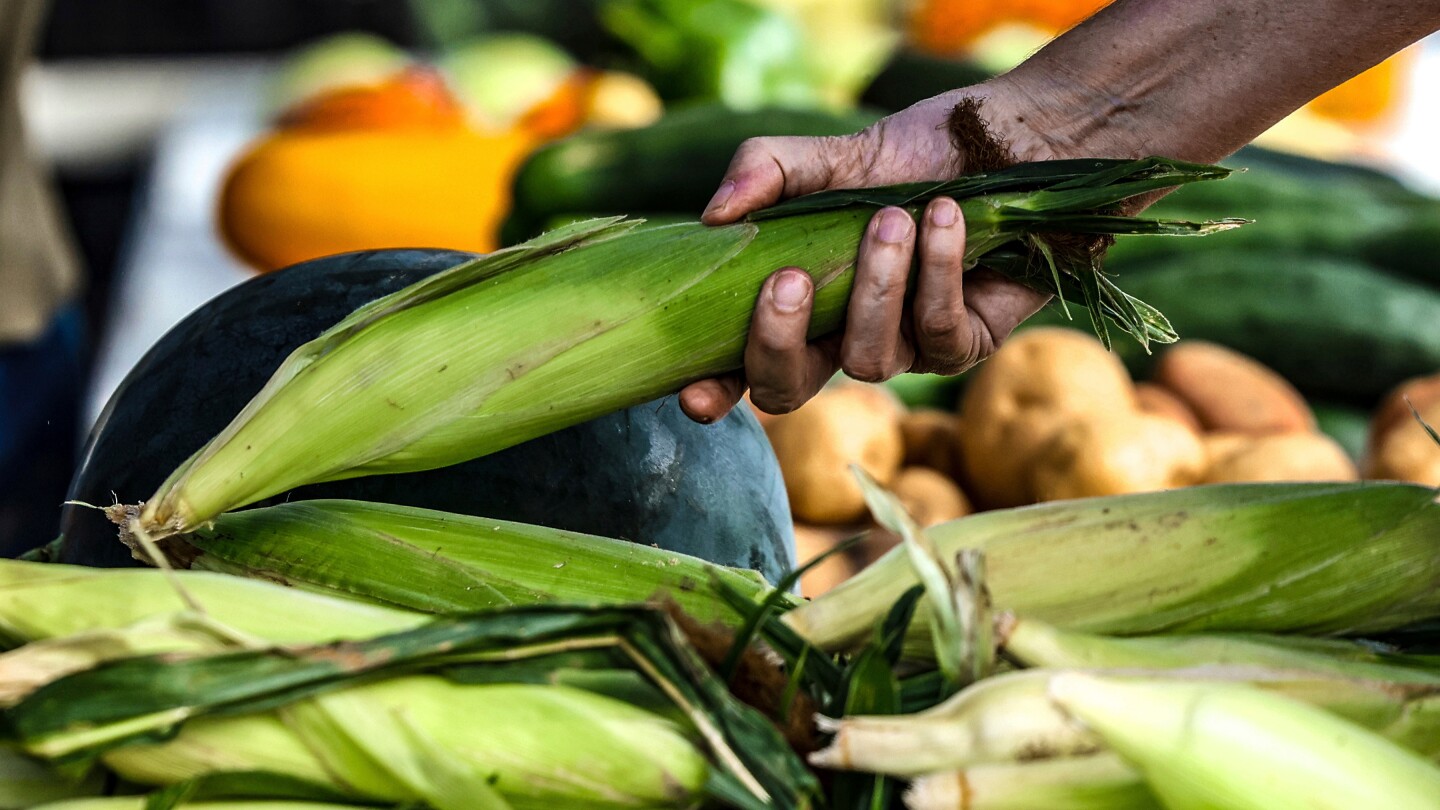
Farmers markets represent another alternative, described by Kolodinsky as “the oldest alternative food system.” These venues allow vendors to sell directly to consumers, offering greater selection flexibility than typical CSA programs while maintaining the benefits of seasonal produce with minimal packaging and processing. Many accept government food assistance payments, making them accessible to diverse economic demographics.
These markets also reduce waste by accommodating produce with irregular shapes and sizes. “It doesn’t matter to me if one cucumber’s a couple inches longer than the other one,” says Timothy Woods, a University of Kentucky agribusiness professor. “Less waste means more efficient utilization of all the resources that farmers are putting out to produce that crop in the first place.”
In recent years, specialized delivery services like Misfits Market and Imperfect Produce have emerged to address food waste by distributing items that don’t meet supermarket aesthetic standards—undersized onions or oddly-shaped carrots that remain perfectly edible.
Misfits Market CEO Abhi Ramesh explains their approach to minimizing emissions: “We batch all of our deliveries together. So it is one van to your ZIP code on that day. One truck that goes from our warehouse on that date.” The company offers weekly selections of discounted groceries with misprinted labels or cosmetic imperfections.
While Van Soelen Kim notes limited data exists on these services’ overall climate impact—they reduce food waste but may source globally—they provide an alternative when local growing seasons end. Ramesh acknowledges that farmers markets or CSAs might better serve local, seasonal food needs during harvest season.
“Your local grocery store, believe it or not, is still transporting that from California,” Ramesh points out. “But the difference is we’re able to go and transport the food waste piece, which reduces a ton of emissions.”
Woods offers consistent advice across all shopping channels: prioritize seasonal and local foods with minimal packaging to reduce environmental impact while maintaining access to nutritious options throughout the year.
Fact Checker
Verify the accuracy of this article using The Disinformation Commission analysis and real-time sources.

8 Comments
Wow, the fact that the global food system accounts for a third of greenhouse gas emissions is really alarming. Consumers need more visibility into the full lifecycle impacts of what they buy.
Agreed, greater transparency around emissions and waste would empower people to make more informed, climate-conscious decisions when grocery shopping.
The hidden climate impacts of food production are really concerning. I’m curious to learn more about the specific steps that can be taken to reduce the carbon footprint of our diets.
This article highlights an important blind spot when it comes to the environmental impact of our food choices. Shifting to more sustainable sourcing and reducing waste seem like crucial next steps.
Fascinating to see the hidden climate impacts of food production. I wonder what other industries have similar unseen environmental costs. Reducing waste across the supply chain seems like a crucial step.
You’re right, focusing on waste reduction is key. Improving visibility into the full lifecycle emissions of products could help drive more sustainable practices.
The statistics around food waste and emissions are really eye-opening. Exploring alternative channels like CSAs could be a great way for consumers to access more climate-friendly options.
I agree, CSAs and other localized food systems seem worth investigating further. Every little bit we can do to reduce the carbon footprint of our diets helps.