


Listen to the article
The age-old debate between pumpkin and sweet potato pie has once again surfaced as families across America prepare for Thanksgiving dinner. While both orange-hued desserts share striking similarities in appearance and origin, regional and cultural preferences have transformed this culinary comparison into something much deeper than mere taste preference.
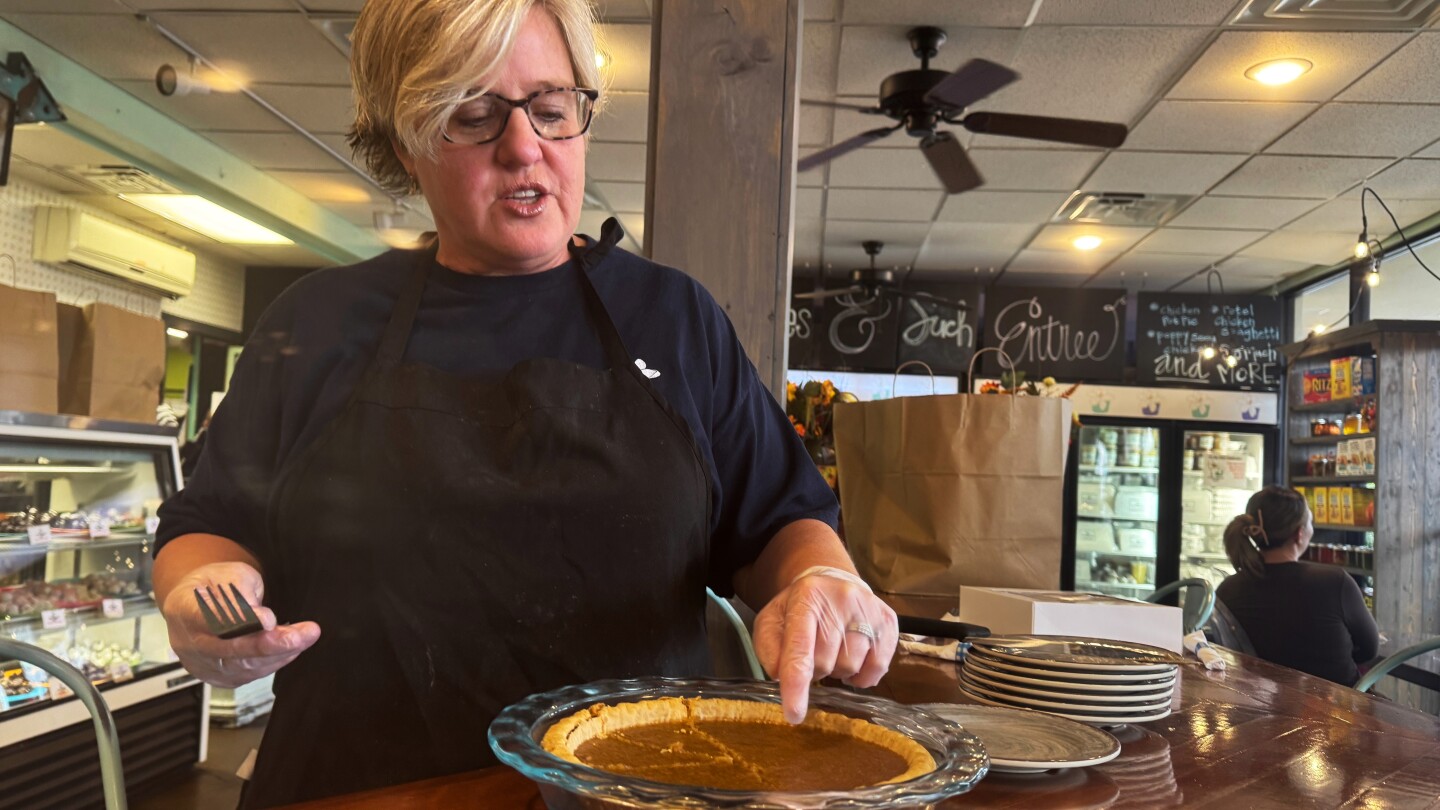
At Sugar Magnolia Takery in Flowood, Mississippi, owner Elizabeth Arnold produces both varieties but notes distinct differences between them. “Sweet potato pie is sweeter, made with white and brown sugar,” Arnold explains, “while pumpkin pie is less sweet and spicier.” This southern bakery sees sweet potato pie consistently outselling its pumpkin counterpart.
This sales trend aligns with broader regional patterns, according to Adrian Miller, a culinary author known as the “Soul Food Scholar.” Miller places sweet potato pie on what he calls “the Mount Rushmore of soul food desserts,” highlighting its significance particularly in southern cuisine.
The geographical divide between these desserts follows a fairly consistent pattern: pumpkin pie dominates northern tables, while sweet potato pie reigns supreme across the South. This culinary boundary often correlates with racial demographics as well, with pumpkin pie typically associated with white northerners and sweet potato pie favored among Black southerners.
However, culinary historian Michael W. Twitty argues that this division reflects something more profound than simple taste preferences. “The debate over which is better is really about identity,” says Twitty. Though raised in Washington, D.C., Twitty’s southern family roots stretch back centuries, and he recalls Thanksgiving celebrations where “everybody would always bring like two homemade sweet potato pies.”
The strong association between sweet potato pie and southern Black culture has historical roots in slavery. Sweet potatoes were readily available to enslaved people throughout the Americas and bore similarities to yams and cassava, staples in African cuisine. While Europeans may have created the first sweet potato pie recipes, enslaved people are widely credited with perfecting the dish that has become a cultural touchstone.
Some have suggested that sweet potato pie’s limited popularity in northern states stemmed from abolitionist boycotts of goods produced through slave labor. However, Twitty offers a simpler explanation: availability. The orange-fleshed sweet potatoes ideal for pies were abundant in southern states but harder to source in the North, where white-fleshed, mealier varieties were more common.
Meanwhile, pumpkin pie established itself as a northern tradition dating back to colonial America. Its culinary legitimacy was cemented when Amelia Simmons included a pumpkin pie recipe in the nation’s first cookbook, published in 1796.
Despite these historical patterns, both historians emphasize that the stereotypes aren’t absolute. Miller himself grew up in a household that served both desserts at Thanksgiving. “There will also be somebody, every single day, every single year who will break the rules,” Twitty notes.
This culinary division offers an opportunity for what Twitty describes as “good-natured ribbing between regions and cultures.” But he cautions against allowing dessert preferences to become rigid markers of identity: “Don’t let it get too serious to the point where it’s like hard, fast markers of who you are, who I am, who we are.”
As Americans gather around Thanksgiving tables this week, the choice between pumpkin and sweet potato pie might represent more than just dessert. It reflects America’s complex cultural tapestry, where food traditions intertwine with regional identity, family history, and cultural heritage—all served with a dollop of whipped cream on top.
Fact Checker
Verify the accuracy of this article using The Disinformation Commission analysis and real-time sources.

10 Comments
Interesting debate! As someone from the South, I’ve always been partial to sweet potato pie – there’s just something so comforting about that rich, creamy texture. But I can appreciate the classic pumpkin flavor as well. What do you all think? Do you have a preference?
I’m a pumpkin pie person myself. There’s just something about that warm spice blend that really hits the spot for me around the holidays.
Sweet potato is definitely the way to go! The natural sweetness pairs so nicely with the cinnamon and nutmeg. Plus, it’s a staple in soul food traditions.
As someone who loves both pumpkin and sweet potato, I’m glad to see this debate is still going strong! Personally, I think they each have their own unique merits and I enjoy indulging in both during the holiday season.
I agree, why choose just one when you can have the best of both worlds? I’ll take a slice of each, please!
Interesting to see the regional trends in pie preferences. I wonder what factors beyond just taste influence people’s loyalties – family traditions, availability of ingredients, cultural associations, etc. Lots of food for thought (pun intended!) here.
Good point. I imagine availability of ingredients and cultural traditions play a big role. Pumpkin may be more prevalent in the North, while sweet potatoes are more common in the South.
As someone who loves baking, I can appreciate the nuances between pumpkin and sweet potato pies. They each bring their own unique flavors and textures to the table. But at the end of the day, I’m just happy to indulge in whichever one is in front of me!
This is a fun and lighthearted debate, but it does highlight some interesting regional and cultural differences when it comes to food traditions. I wonder if the same patterns hold true for other Thanksgiving staples like stuffing, cranberry sauce, etc.
That’s a great point. Thanksgiving dinner is such a reflection of regional and cultural identities. I’d be curious to see if similar North-South divides emerge for other classic dishes.