


Listen to the article
Sweden’s government took a firm stance against the online sale of childlike sex dolls on Friday, following several high-profile cases involving e-commerce platforms selling such products in the country.
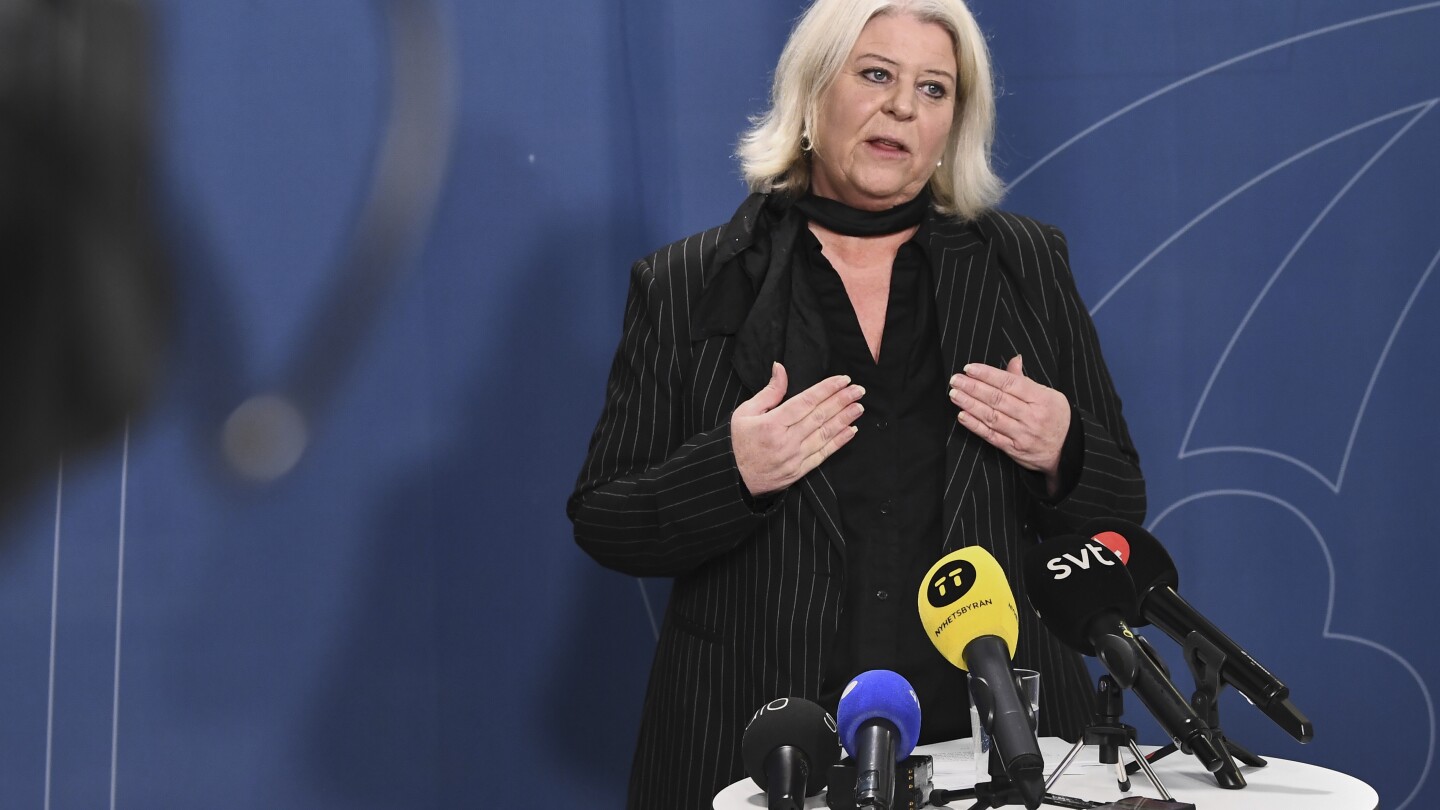
“I think I react on behalf of all parents when I say that, as a mother, your heart really breaks watching these images and pictures of these dolls,” Sweden’s Minister for Social Services, Camilla Waltersson Grönvall, told The Associated Press following a government-convened meeting on the issue.
The urgent meeting brought together child protection organizations, online vendors, and government agencies to address the growing concern. Waltersson Grönvall emphasized the government’s commitment to ensuring “these products cannot anymore be sold and bought anywhere” in Sweden.
The issue came to public attention earlier this month when child protection group ChildX filed a police report against Amazon and several other e-commerce platforms. The organization alleged these companies were selling sex dolls with distinctly childlike appearances, often dressed in school uniforms and marketed in sexualized contexts.
“The products, approximately one meter in length, are often dressed in school uniforms and marketed in a sexualized context,” ChildX stated in their complaint. The group noted that Swedish legislation prohibits material portraying children in a sexualized manner, suggesting that “the sale or distribution of lifelike child-like sex dolls may thus fall under criminal provisions related to child sexual exploitation.”
Ida Östensson, Secretary General of ChildX, explained the organization’s motivation: “We are taking this step because these products are designed to sexualize children. Their open sale and marketing fuel a culture that normalizes the sexual abuse of children. This is unacceptable. Children should never be commodified for sexual purposes.”
Following the police report and accompanying public advocacy, Amazon reportedly removed the products from its platform. When contacted, Amazon indicated it had taken the flagged products offline and would participate in the government meeting. The company maintained it has “strict policies and guidelines in the segment of adult products” and has “always strictly prohibited child pornography,” according to a statement previously provided to French newspaper Le Monde.
Minister Waltersson Grönvall indicated that while the online platforms described measures they are taking to prevent the sale of these products, the government remains vigilant. “I have been very clear that we will follow this very closely and we will not hesitate to take further action, which might involve further legislation if that is considered necessary,” she stated.
The Swedish government is currently preparing a comprehensive strategy on protecting children from violence, which will include specific measures to prevent sexual and online abuse.
This controversy in Sweden follows similar actions in other European countries. In November, the French government moved to suspend access to the Shein online marketplace after authorities discovered illegal weapons and child-like sex dolls for sale on the fast-fashion retailer’s website. The French authorities demanded Shein prove its content conforms to French law before access would be reinstated.
The issue highlights growing international concern about the sale of items that could potentially normalize or encourage child sexual exploitation, and the responsibility of e-commerce platforms to monitor and regulate such products. Child protection advocates argue that prohibiting such items is a crucial step in combating the sexualization of children and preventing child sexual abuse.
As online shopping continues to expand globally, countries are increasingly grappling with how to regulate products that may be legal in some jurisdictions but raise serious ethical and child protection concerns.
Fact Checker
Verify the accuracy of this article using The Disinformation Commission analysis and real-time sources.

8 Comments
This is an important step, but I wonder how effective it will be in practice. Policing the online sale of these dolls across multiple platforms seems like it could be a real challenge.
I’m curious to learn more about the specific policy actions the Swedish government plans to take. Shutting down these sales channels is a good start, but what other measures might they consider?
The government’s commitment to stopping the sale of these products is admirable. It’s crucial that online platforms are held accountable and that these dolls are removed from the market entirely.
Absolutely, this is not the kind of content that should be allowed on e-commerce sites. Kudos to the child protection groups for taking action on this.
This is a complex issue with a lot of ethical questions involved. I’m glad to see the government bringing together different stakeholders to find a solution.
Agreed, there are no easy answers here. But the priority has to be protecting children and stopping the normalization of this type of content.
As distressing as this issue is, I appreciate Sweden’s proactive approach. Addressing the online sale of these dolls before it becomes a larger problem is the responsible thing to do.
Interesting to see Sweden taking a stand against the sale of these disturbing dolls. As a parent, I can understand the Minister’s reaction – this is a very concerning issue that needs to be addressed.