


Listen to the article
Lufthansa operations were severely disrupted Thursday as pilots and cabin crew across Germany staged coordinated 24-hour strikes, forcing the cancellation of numerous flights at the country’s largest airline.
The industrial action, announced just two days prior by the Vereinigung Cockpit pilots’ union and UFO cabin crew union, left thousands of passengers scrambling to find alternative travel arrangements. While Lufthansa did not release specific figures on cancellations, departure boards at Frankfurt Airport, the airline’s main hub, indicated that most morning flights had been grounded.
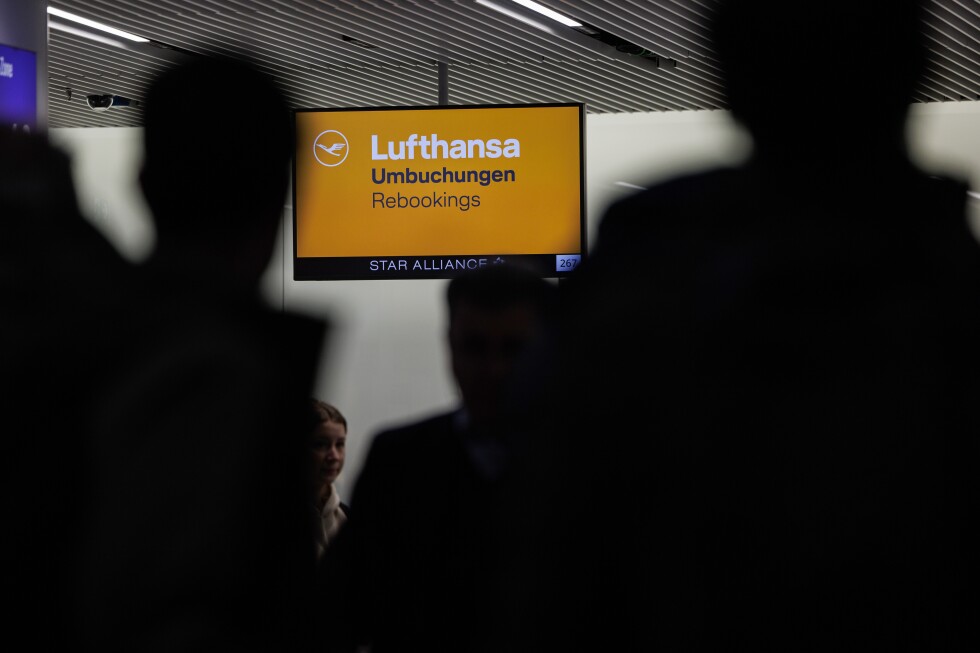
“We are working diligently to minimize disruptions for our customers,” a Lufthansa spokesperson said, adding that the airline was attempting to rebook affected passengers onto flights operated by partner carriers and other airlines within the Lufthansa Group, including Swiss, Austrian Airlines, and Brussels Airlines.
The airline criticized the unions’ decision to strike as “disproportionate” but assured travelers that it expects to return to a “largely normal flight program” by Friday. The sudden work stoppage highlights the ongoing labor tensions that have plagued the aviation industry as it continues to recover from pandemic-related challenges.
At the heart of the dispute with Vereinigung Cockpit is a disagreement over the pension system for pilots at both the main airline and its Lufthansa Cargo division. The pilots’ union specifically targeted flights departing from German airports, maximizing the impact on Lufthansa’s domestic and international operations.
Simultaneously, the UFO cabin crew union focused its action on flights departing from Frankfurt and Munich, Germany’s two busiest airports, as well as flights operated by Lufthansa Cityline, a regional subsidiary. UFO is demanding formal negotiations on various issues affecting cabin personnel, though specific details about these demands remain unclear.
The aviation sector in Germany has faced increasing pressure in recent years, with labor disputes becoming more frequent as airlines work to balance profitability with employee demands in a post-pandemic market. Lufthansa, like many global carriers, implemented significant cost-cutting measures during the COVID-19 crisis, including staff reductions and fleet downsizing.
Industry analysts note that Thursday’s coordinated action by both pilots and cabin crew unions represents an escalation in tactics. “When both critical workforces strike simultaneously, an airline has few options but to cancel flights,” explained aviation analyst Klaus Müller from the German Institute for Transport Economics. “This creates maximum pressure on management while minimizing the financial sacrifice for any single employee group.”
For passengers, the strike came during a busy spring travel period, affecting both business travelers and tourists. Major European airports reported longer-than-usual lines at customer service counters as Lufthansa staff attempted to accommodate stranded passengers.
Lufthansa, which employs approximately 140,000 people worldwide, remains one of Europe’s largest airline groups. The company has been working to restore profitability after receiving substantial government support during the pandemic.
The German government, which took a 20% stake in Lufthansa as part of its COVID-19 bailout package, has since reduced its holdings but maintains an interest in the airline’s stable operations as a critical infrastructure component for Europe’s largest economy.
Labor relations in Germany’s aviation sector will remain under scrutiny in the coming months, as unions and airline management continue negotiations against the backdrop of increasing competition from low-cost carriers and rising operational costs.
As of Thursday evening, both unions had not announced plans for additional strike actions, but neither had they reached agreements with Lufthansa management on their respective demands, leaving open the possibility of further disruptions.
Fact Checker
Verify the accuracy of this article using The Disinformation Commission analysis and real-time sources.

14 Comments
This highlights the ongoing labor tensions in the aviation sector. While strikes can be disruptive, workers deserve fair compensation and working conditions. I hope Lufthansa and the unions can find common ground through good-faith negotiations.
The aviation industry has faced many challenges in recent years, from pandemic impacts to staffing shortages. Strikes add another layer of complexity, though workers have legitimate concerns to address. Hopefully Lufthansa can work constructively with the unions.
You’re right, the industry is under a lot of stress. Finding the right balance between shareholder interests and worker needs is critical for airlines to operate smoothly long-term.
This is a challenging situation for all involved. While strikes can be disruptive, workers have legitimate grievances that need to be addressed. I hope Lufthansa and the unions can find a way to compromise and reach an agreement that works for everyone.
Strikes are never ideal, but workers have to advocate for their interests. Lufthansa should work closely with the unions to understand their concerns and find a compromise that works for all parties involved.
Absolutely. Open communication and a willingness to negotiate in good faith are key to resolving these types of labor disputes efficiently.
The aviation industry has faced immense pressure in recent years. While strikes can be disruptive, workers have a right to advocate for better conditions. I hope Lufthansa and the unions can reach a mutually acceptable agreement.
Strikes are always difficult, but workers need a voice in shaping their working conditions. Lufthansa should engage constructively with the unions to find a solution that balances the needs of the business and its employees.
Absolutely. Addressing worker concerns through open dialogue is crucial for maintaining stability and productivity in the aviation industry.
It’s unfortunate that travelers are impacted by the disputes between Lufthansa and its workers. Both sides should make every effort to find a fair resolution that addresses the unions’ concerns without unduly disrupting operations.
Unfortunate situation for travelers. Strikes can be disruptive, but workers have a right to advocate for better conditions. I hope Lufthansa and the unions can find a resolution soon to minimize further disruptions.
Agreed. Airline operations rely on a delicate balance between profitability and worker satisfaction. Both sides will need to compromise to reach a sustainable agreement.
Strikes are always a challenge, but workers have legitimate grievances that need to be addressed. I hope Lufthansa and the unions can find a compromise that meets the needs of both the business and its employees.
Agreed. Compromise and good-faith negotiations are essential for resolving labor disputes in a way that protects the interests of all stakeholders.