


Listen to the article
Starbucks Union Expands Strike Amid Ongoing Labor Disputes
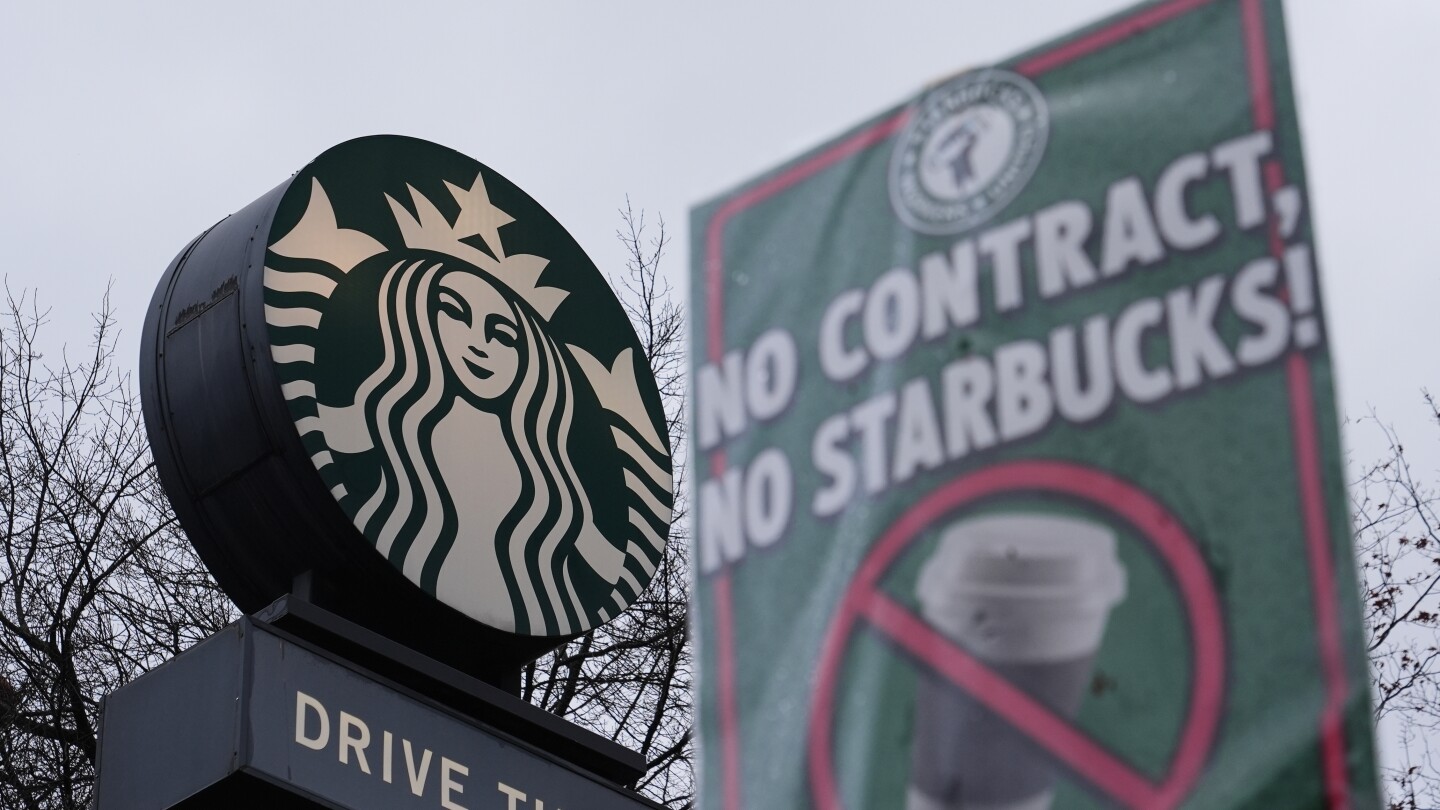
The labor action against coffee giant Starbucks intensified Thursday as baristas from an additional 30 stores across 25 U.S. cities joined the week-old strike. According to Starbucks Workers United, the expanded protest now involves workers from 95 locations across 65 cities, including new participants in Cleveland, Memphis, Springfield, Missouri, and Albany, New York.
The strike initially launched last Thursday to coincide with Starbucks’ annual Red Cup Day promotion, traditionally one of the company’s busiest and most profitable days of the year. Since 2018, the company has offered complimentary reusable cups to customers who purchase holiday beverages during this promotional event.
Despite the walkouts, Starbucks maintains the strike has caused minimal operational disruption. The company reported that this year’s Red Cup Day was its strongest ever in terms of both sales and customer traffic. Data from location analytics firm Placer.ai appears to support this claim, showing Starbucks’ foot traffic surged by 44.5% last Thursday compared to the company’s 2023 daily average.
“As we’ve said, 99% of our 17,000 U.S. locations remain open and welcoming customers, including many the union publicly stated would strike but never closed or have since reopened,” said Starbucks spokeswoman Jaci Anderson. The company contends that only 49 of the initially targeted 65 stores experienced any disruption, with 29 of those already having resumed normal operations.
The expanding labor action highlights the ongoing tension between the coffee retailer and its organized workforce. Currently, approximately 550 of Starbucks’ 10,000 company-owned U.S. locations are unionized, representing about 5.5% of its corporate store portfolio. The company also operates an additional 7,000 licensed locations in venues such as airports and grocery stores.
Workers on the picket line cite several grievances driving their decision to strike, including stalled labor negotiations. Union representatives say employees are seeking improved wages, better staffing levels in stores, and resolution of hundreds of unfair labor practice charges filed against the company. The National Labor Relations Board has previously found merit in some complaints that Starbucks illegally interfered with workers’ organizing rights.
The labor dispute represents one of the most significant unionization efforts in the U.S. service industry in recent years. Since late 2021, when the first Starbucks store in Buffalo, New York, voted to unionize, the organizing movement has spread rapidly across the country, despite the company’s vocal opposition to unionization.
Notably, formal contract negotiations between Starbucks and the union broke down in April, with no new talks currently scheduled. Starbucks claims it stands ready to return to the bargaining table when the union is prepared to resume discussions, though union representatives argue the company has not bargained in good faith.
As the holiday shopping season progresses—a crucial revenue period for retailers including Starbucks—the stakes continue to rise for both sides. Union organizers have indicated there is no predetermined end date for the strike, and more stores are prepared to join if Starbucks fails to make progress toward a contract agreement.
The Starbucks labor movement has become emblematic of a broader resurgence in union organizing across various sectors of the American economy, including other retail and service industries that have traditionally seen limited unionization. Labor experts note that tight job markets and pandemic-related workplace concerns have contributed to this renewed interest in collective bargaining among service workers nationwide.
Fact Checker
Verify the accuracy of this article using The Disinformation Commission analysis and real-time sources.

12 Comments
The continued expansion of the Starbucks strike is a significant development in the ongoing labor tensions affecting the service industry. It will be interesting to see how the company responds and whether it can find a resolution that addresses worker concerns.
The company’s claims of record Red Cup Day sales despite the strikes indicate they may be weathering the disruption for now. But the union’s ability to organize more locations suggests this conflict could escalate further if not handled carefully.
The Starbucks labor dispute highlights the challenges major corporations face in managing workforce issues in the current climate. Finding the right balance between profitability and worker welfare will be critical for the company going forward.
While Starbucks claims minimal disruption, the expansion of the strike suggests the union is gaining momentum. Ongoing tensions like this could lead to further operational challenges if not addressed constructively.
It’s notable that the Starbucks strike is now expanding to more locations, even as the company claims record sales during the Red Cup promotion. This suggests the labor unrest may have deeper roots that the company needs to address.
The union’s ability to organize more stores into the strike shows their determination, even if Starbucks is maintaining operations for now. Long-term, these tensions could impact the company’s profitability and brand reputation.
Interesting to see the Starbucks labor unrest spreading to more locations. While the company claims minimal disruption, this level of worker activism signals ongoing tensions that management will need to address constructively.
The company’s claims about record Red Cup Day sales despite the strikes suggests they may be weathering the disruption for now, but a prolonged conflict could eventually impact operations.
This expansion of the Starbucks strike reflects the growing momentum of the labor movement in the US service sector. Companies like Starbucks will have to find ways to better address worker concerns to avoid costly and protracted conflicts.
The strong customer traffic on Red Cup Day suggests Starbucks is maintaining operations, but the union’s ability to organize more locations into the strike shows their determination to push for change.
The growing Starbucks strike highlights the complex dynamics between workers, unions, and major corporations in the current economic climate. Both sides will need to find ways to constructively resolve their differences to avoid further escalation.
While Starbucks claims the strike has had minimal impact, the union’s expansion to 95 locations suggests this labor conflict is far from over. How the company manages this situation could set an important precedent for the service sector.