


Listen to the article
San Francisco has launched a landmark lawsuit against ten major food manufacturers, alleging their ultraprocessed food products have created a public health crisis across the city and beyond. City Attorney David Chiu filed the legal action on Tuesday, targeting some of the most recognizable names in the American food industry.
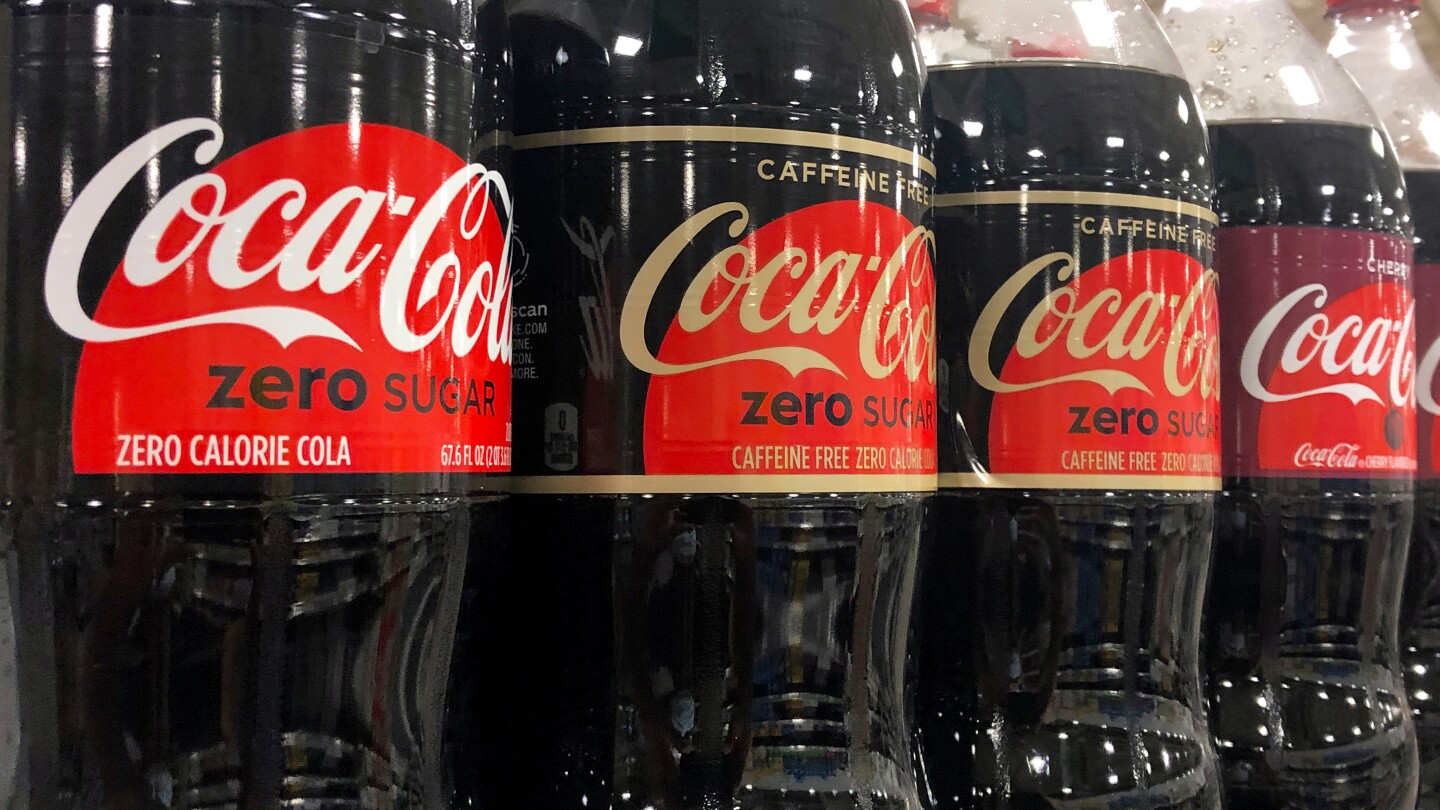
The lawsuit names corporate giants including Coca-Cola, PepsiCo, Nestle, Kraft Heinz Company, Post Holdings, Mondelez International, General Mills, Kellogg, Mars Incorporated, and ConAgra Brands. These companies produce numerous household staples, from Oreo cookies and Kit Kat bars to Cheerios cereal and Lunchables meal kits.
“They took food and made it unrecognizable and harmful to the human body,” Chiu stated in a news release accompanying the lawsuit. “These companies engineered a public health crisis, they profited handsomely, and now they need to take responsibility for the harm they have caused.”
The legal action defines ultraprocessed foods as including candy, chips, processed meats, sodas, energy drinks, breakfast cereals and other products specifically designed to “stimulate cravings and encourage overconsumption.” According to the lawsuit, these items are “formulations of often chemically manipulated cheap ingredients with little if any whole food added.”
The timing of the lawsuit coincides with growing national concern about ultraprocessed foods. A recent August report from the U.S. Centers for Disease Control and Prevention revealed that most Americans now derive more than half their daily calories from ultraprocessed foods, highlighting the scale of consumption across the country.
San Francisco’s legal action cites numerous scientific studies linking these food products to serious health conditions. Dr. Kim Newell-Green, a professor at the University of California, San Francisco, supported the lawsuit’s claims, noting that “mounting research now links these products to serious diseases—including Type 2 diabetes, fatty liver disease, heart disease, colorectal cancer, and even depression at younger ages.”
The case represents a significant escalation in the public health approach to processed foods. It follows California Governor Gavin Newsom’s October signing of groundbreaking legislation to phase out certain ultraprocessed foods from school meals over the next decade—the first law of its kind in the nation.
The lawsuit alleges that by producing and aggressively marketing ultraprocessed foods, these companies have violated California’s Unfair Competition Law and public nuisance statute. San Francisco is seeking several remedies, including a court order to prevent “deceptive marketing” practices, requirements for consumer education about health risks, and restrictions on advertising ultraprocessed foods to children.
Beyond these measures, the city is also pursuing financial penalties to help local governments offset healthcare costs associated with diseases linked to ultraprocessed food consumption. This approach mirrors successful litigation strategies previously used against tobacco and opioid manufacturers.
The lawsuit has gained attention in Washington as well. U.S. Health Secretary Robert F. Kennedy Jr. has been vocal about the dangers of ultraprocessed foods, making them a target in his “Make America Healthy Again” campaign. Kennedy has advocated for banning such products from the Supplemental Nutrition Assistance Program that serves low-income families.
None of the companies named in the lawsuit immediately responded to requests for comment when the case was filed.
This legal challenge represents a potentially watershed moment in food policy, as it directly confronts the manufacturing practices of some of America’s largest food producers and questions the fundamental safety of products consumed by millions of Americans daily.
Fact Checker
Verify the accuracy of this article using The Disinformation Commission analysis and real-time sources.

10 Comments
I’m curious to see the evidence presented in this case. It will be challenging to prove the direct link between these companies’ products and public health outcomes. But the concerns about ultraprocessed foods seem valid and worth investigating further.
That’s a fair perspective. The science on ultraprocessed foods is still evolving, but the health risks appear significant enough to warrant this legal action.
This lawsuit highlights the broader debate around personal responsibility versus corporate accountability when it comes to public health. While individuals make choices, these companies may have deliberately designed their products to be unhealthy and addictive.
Absolutely. There needs to be a balance struck between consumer choice and corporate responsibility. This case could set an important precedent.
This lawsuit raises important questions about the role of regulation in the food industry. While personal responsibility is important, these companies may have deliberately engineered their products to be addictive. Stronger oversight could be warranted.
Good point. Consumers can only make choices based on the information available to them. More transparency and accountability from food manufacturers is needed.
It’s good to see San Francisco taking legal action to hold these companies accountable. Ultraprocessed foods have been linked to obesity, heart disease, and other serious health problems. Consumers should have the right to make informed choices.
Absolutely. These companies have a responsibility to provide safe, nutritious products. Lawsuits like this may encourage them to change their practices.
This is an interesting case against some of the biggest food manufacturers. It will be important to see how the courts rule on the public health impact of ultraprocessed foods. Consumers deserve transparency about what they are eating.
I agree, the health consequences of these processed foods need to be addressed. It’s concerning that companies may have prioritized profits over public wellbeing.