


Listen to the article
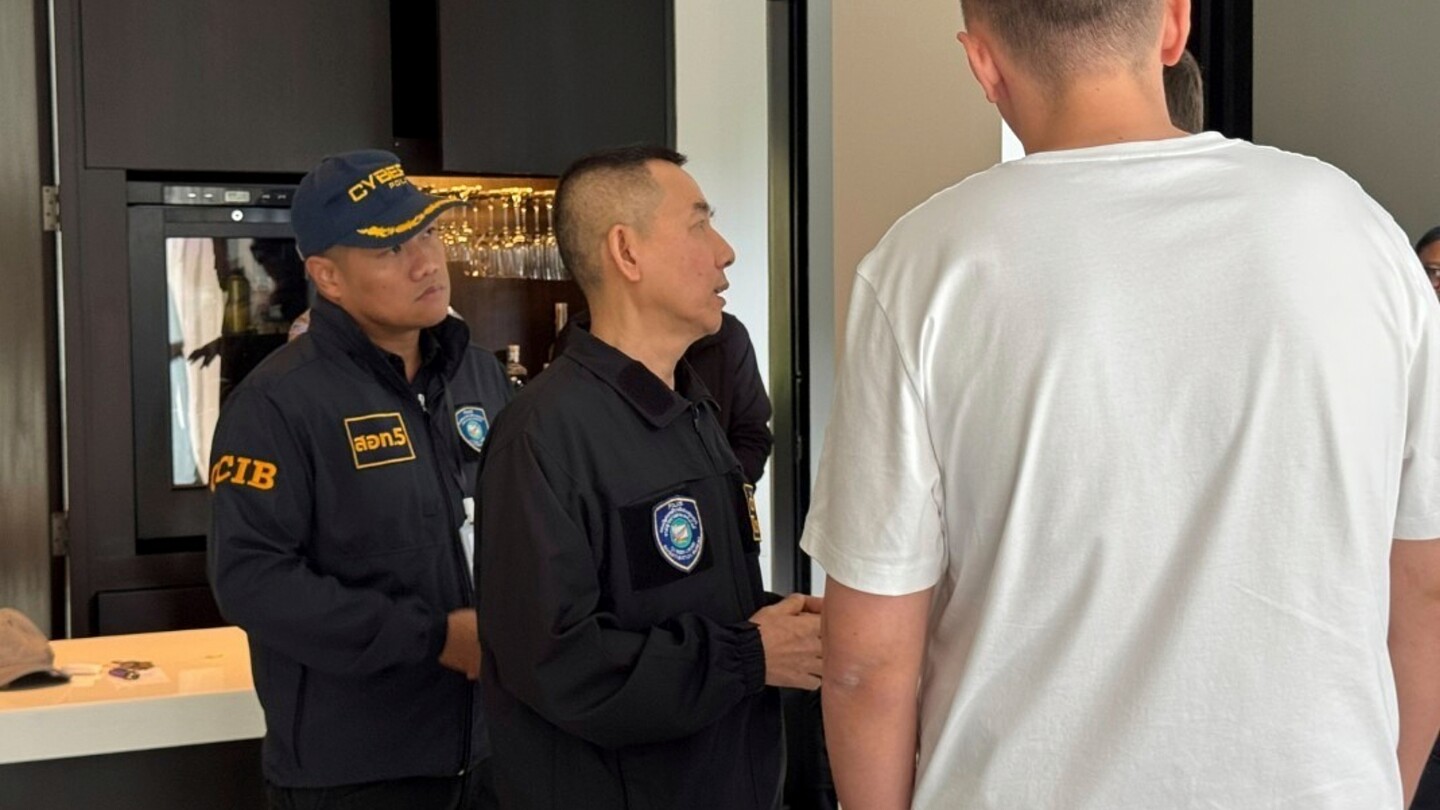
Thai authorities have arrested a suspected Russian hacker on the resort island of Phuket following a tip from the FBI, according to officials. The 35-year-old man is wanted by U.S. authorities for alleged cyberattacks targeting government agencies in the United States and Europe.
The suspect, who entered Thailand on October 30 through Phuket Airport, was taken into custody on November 6 at his hotel and transferred to Bangkok the same day. He is currently being held pending possible extradition to the United States.
While Thai police did not publicly identify the suspect, Russian state-run news agency Russia Today has reported his name as Denis Obrezko, a native of Stavropol. According to the report, his relatives have confirmed the arrest and intend to contest his extradition to the U.S.
The U.S. Department of Justice has declined to comment on the case or provide details about the potential extradition. Similarly, the U.S. State Department and American officials in Thailand have remained silent on the matter.
Russia’s consul general in Phuket, Yegor Ivanov, confirmed to Russian state news agency Tass that the consulate had “received notification of the arrest of a Russian citizen on charges of committing an information technology crime.” However, the Russian Foreign Ministry and the Russian embassy in Thailand have not responded to requests for comment.
Ilya Ilyin, head of the consular section of the Russian embassy in Thailand, later told Tass that Russian diplomats had visited the suspect in a Bangkok prison. “Embassy staff conducted a consular visit to the Russian citizen detained at the request of the United States,” Ilyin stated, adding that the embassy was working to arrange meetings between the suspect and his relatives.
Thailand’s Cyber Crime Investigation Bureau revealed in a November 12 statement that the arrest came after the FBI tipped them off that a “world-class hacker” was traveling to Thailand. During the raid on the suspect’s hotel room, Thai authorities seized multiple pieces of digital evidence, including laptop computers, mobile phones, and digital wallets. FBI officials were reportedly present during the arrest operation.
Some media outlets have claimed that a second Russian hacking suspect with ties to Russian military intelligence was arrested in Phuket the day after the first arrest. However, Thai police have denied these reports, stating that only one arrest has been made in connection with this case.
The formal request for the suspect’s extradition has been submitted, though the timeline for the process remains unclear. The case highlights the ongoing international efforts to combat cybercrime, particularly attacks targeting government institutions.
Cybersecurity experts note that Russia has been a focal point for U.S. law enforcement in recent years as tensions between the two countries have intensified in the digital sphere. The U.S. has previously accused Russia of harboring hackers responsible for major cyberattacks on American infrastructure and institutions.
This arrest in Thailand represents the latest in a series of international operations targeting suspected Russian hackers. Thailand has served as an extradition partner with the United States in several high-profile cybercrime cases in recent years, reflecting the growing global cooperation in pursuing individuals accused of transnational digital crimes.
As digital threats continue to evolve, law enforcement agencies worldwide have strengthened their collaboration to identify and apprehend suspects across borders, particularly those accused of targeting critical government systems and infrastructure.
Fact Checker
Verify the accuracy of this article using The Disinformation Commission analysis and real-time sources.

14 Comments
Alleged Russian hacking of government agencies is a serious issue. This arrest could provide valuable insights into the tactics and motivations behind such attacks, if the details are made public.
Agreed, the public deserves to know more about the nature of the alleged crimes and the evidence supporting the charges.
The Thai authorities’ cooperation with the FBI in this case demonstrates the global nature of cybersecurity threats. Curious to see if this leads to any further arrests or disruption of the alleged hacking network.
Apprehending cybercriminals is critical to protecting national security. However, the lack of transparency around this case raises questions about the evidence and charges. Will be interesting to monitor the legal proceedings.
Cybersecurity is a growing concern, especially when state actors are involved. This arrest could provide valuable intelligence on Russian hacking tactics and motivations, if the information is shared publicly.
The arrest of this suspected Russian hacker in Thailand underscores the global reach of US law enforcement. Will be interesting to see if Russia tries to intervene and how the extradition process unfolds.
Absolutely, the diplomatic dynamics around this case could have wider implications for US-Russia relations.
This arrest highlights the long reach of US law enforcement, even in remote locations. Curious to see if Russia will challenge the extradition request and how that plays out diplomatically.
Good point. Geopolitical factors could certainly complicate the extradition process in this case.
Interesting development in the ongoing battle against cybercrime. I’m curious to learn more about the alleged hacking activities targeting US and European agencies. Extradition could be a complex process given the political tensions.
Agreed, the details of this case will be closely watched. Cybersecurity remains a major concern globally.
Kudos to the Thai authorities and the FBI for their coordination in this case. Cybercrime knows no borders, so international collaboration is key to disrupting these illicit activities.
While the details remain murky, this arrest highlights the importance of international coordination to combat transnational cybercrime. Hoping for more transparency as the legal process unfolds.
Indeed, effective international cooperation is critical in tackling complex cybercrime cases like this one.