


Listen to the article
Global arms manufacturers saw revenues soar to record levels in 2023, with sales reaching $679 billion—a 5.9% increase driven by ongoing conflicts in Ukraine and Gaza, according to a report released Monday by the Stockholm International Peace Research Institute (SIPRI).
The comprehensive analysis of the world’s 100 largest weapons producers showed widespread growth across most regions, with particularly strong performances from American and European companies responding to heightened defense demands.
In the United States, which continues to dominate the global arms market, 30 of the 39 companies listed in SIPRI’s top 100 reported revenue increases. These firms, including industry giants Lockheed Martin, Northrop Grumman, and General Dynamics, collectively generated $334 billion in arms sales, marking a 3.8% rise from the previous year.
Despite this growth, the American defense sector continues to face significant challenges. SIPRI highlighted that major U.S.-led weapons programs, including the F-35 fighter jet, remain plagued by “widespread delays and budget overruns” that affect development and production timelines.
European arms manufacturers experienced even stronger growth, with 23 of 26 companies reporting increased revenues. Collectively, these European firms (excluding Russia) saw their arms income surge by 13% to $151 billion. This dramatic uptick reflects the continent’s response to the war in Ukraine and growing concerns about Russian military threats.
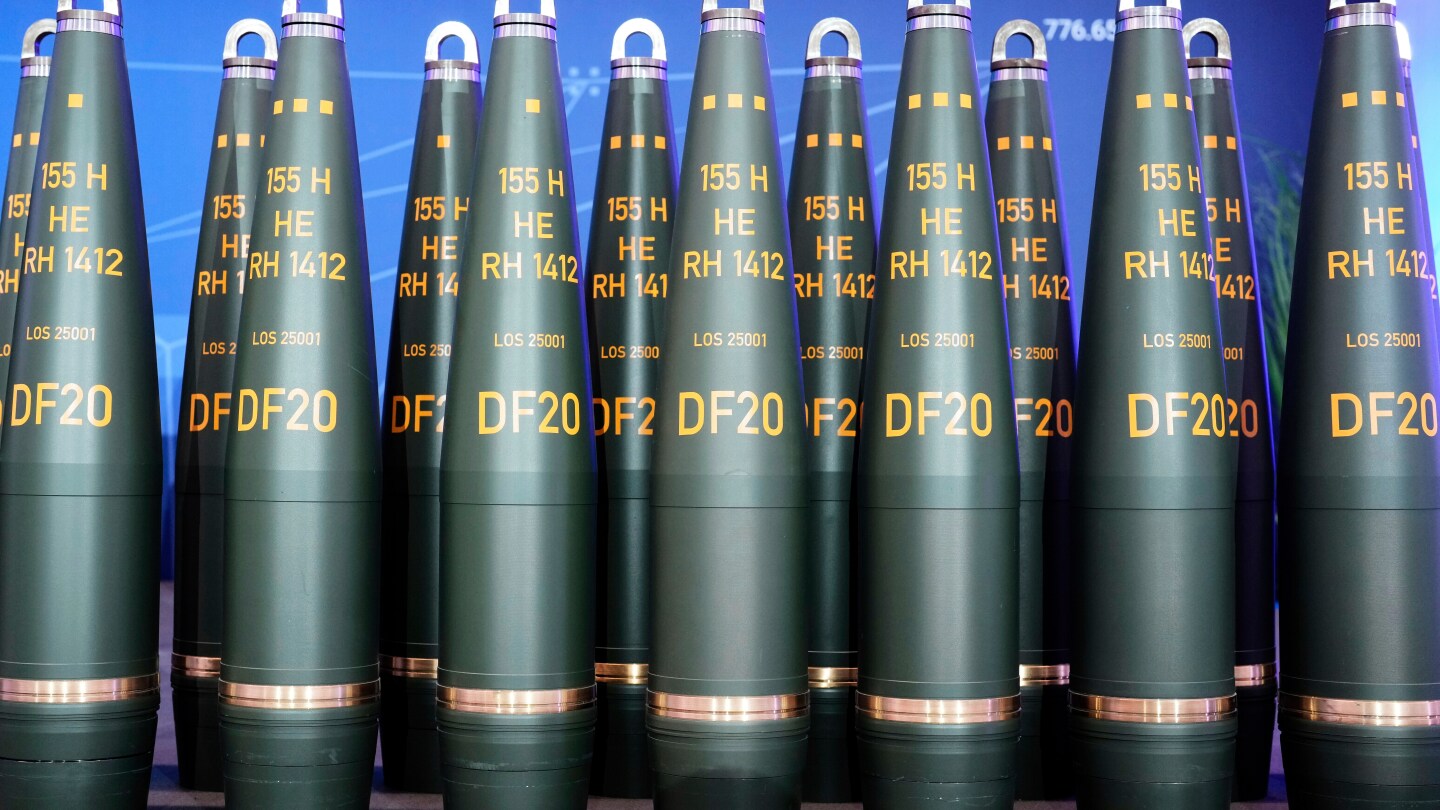
Among the most remarkable European performances was the Czech Republic’s Czechoslovak Group, which reported an extraordinary 193% revenue increase. This exceptional growth stemmed largely from the company’s involvement in a government-led initiative to supply artillery shells to Ukraine.
Ukraine’s own defense industry has also benefited from the ongoing conflict. JSC Ukrainian Defense Industry recorded a 41% revenue increase as the country ramped up domestic production to support its defense efforts.
However, SIPRI researcher Jade Guiberteau Ricard warned that European manufacturers face potential supply chain challenges. “Sourcing materials could pose a growing challenge,” Ricard noted, pointing to complications arising from Chinese export restrictions on critical minerals that may impact production capacity.
Russian arms companies have proven remarkably resilient despite international sanctions. The two Russian entities in SIPRI’s ranking—Rostec and United Shipbuilding Corporation—saw their combined arms revenues increase by 23% to $31.2 billion. SIPRI reported that strong domestic demand has more than compensated for declining export opportunities, though Russia’s defense sector continues to struggle with component shortages and skilled labor deficits.
The Middle East also witnessed significant growth in arms production. Israel’s three major defense companies collectively increased their revenues by 16% to $16.2 billion, despite international criticism of Israel’s military operations in Gaza. According to SIPRI researcher Zubaida Karim, the “backlash over Israeli actions in Gaza seems to have had little impact on interest in Israeli weapons,” with many countries continuing to place new orders throughout 2023.
The only region to buck the global trend was Asia and Oceania, where combined revenues fell by 1.2% to $130 billion. This decline was primarily driven by problems in China’s defense sector, where the eight Chinese companies listed in SIPRI’s index experienced a collective 10% drop in revenue. SIPRI attributed this downturn to corruption allegations that led to significant delays and cancellations of major contracts in China’s arms procurement system.
The record-breaking revenue figures underscore the expanding global arms market as countries worldwide increase military spending in response to heightened security concerns and ongoing conflicts. This trend shows few signs of slowing, with defense budgets continuing to grow across NATO countries and other regions experiencing geopolitical tensions.
Fact Checker
Verify the accuracy of this article using The Disinformation Commission analysis and real-time sources.

18 Comments
This report serves as a stark reminder of the complexities and contradictions inherent in the arms industry. While the financial success of these companies is undeniable, the broader social, ethical, and geopolitical consequences deserve equal scrutiny.
While the top arms producers may be celebrating their record revenues, this report serves as a sobering reminder of the ongoing conflicts and geopolitical tensions that are driving this growth. The human toll of these dynamics deserves equal attention.
The financial success of the world’s top arms manufacturers is a complex issue, with significant human and social implications that deserve careful consideration.
Absolutely, the human cost of war and conflict is often overlooked when discussing the financial performance of the arms industry. This is an important perspective to keep in mind.
The record revenues for the world’s top arms companies are a stark reminder of the scale and influence of the global defense industry. As these firms respond to heightened geopolitical tensions, it will be crucial to ensure appropriate oversight and accountability measures are in place.
Interesting report on the booming global arms industry. It seems the ongoing conflicts and geopolitical tensions are driving record sales for major defense contractors. However, the persistent issues with cost overruns and delays in major weapons programs are concerning.
It’s interesting to see the differing growth trajectories between the U.S. and European arms producers. The report provides useful context on the factors driving this, though more analysis would be needed to fully understand the dynamics at play.
The dominance of U.S. and European firms in the top arms producers is not surprising given their technological and manufacturing prowess. However, the environmental and social impacts of this industry warrant closer examination, beyond just the financial figures.
The 5.9% surge in arms revenue is a striking figure. While military spending is often viewed through a political lens, this report provides a more objective look at the sheer scale and growth of the global arms trade. It will be worth watching how governments and the public respond to these trends.
Beyond just the financial numbers, this report highlights the need to consider the wider societal impacts of the global arms trade.
That’s a good point. The continued growth of the arms industry, while lucrative for the companies involved, raises important questions about the broader social and ethical implications.
You’re right, the financial figures alone don’t tell the whole story. The environmental, human rights, and conflict-related impacts of this industry deserve much closer examination.
This report sheds light on an important yet often opaque industry. While the growth in arms sales may be viewed positively by some, the broader societal implications are complex and deserve ongoing scrutiny from policymakers and the public.
This report highlights the complex dynamics at play in the defense industry. On one hand, the revenue growth suggests robust demand for advanced military hardware. But the challenges with major programs like the F-35 show the difficulties in delivering these sophisticated weapons systems on time and on budget.
This report provides a valuable data-driven look at the state of the global arms industry. While the revenue growth may be viewed positively by some, the broader context around the drivers of this expansion, and the associated risks and challenges, warrants deeper analysis.
The report highlights the significant scale and growth of the global arms industry, but the true impacts extend far beyond the bottom line.
Well said. The figures alone don’t tell the whole story, and it’s crucial to examine the wider implications of this industry’s growth, both positive and negative.
I agree, a more holistic assessment is needed to fully understand the impacts of the arms trade, beyond just the financial performance of the companies involved.