


Listen to the article
Pope Leo XIV Takes Decisive Action to Restructure Vatican Fundraising Commission
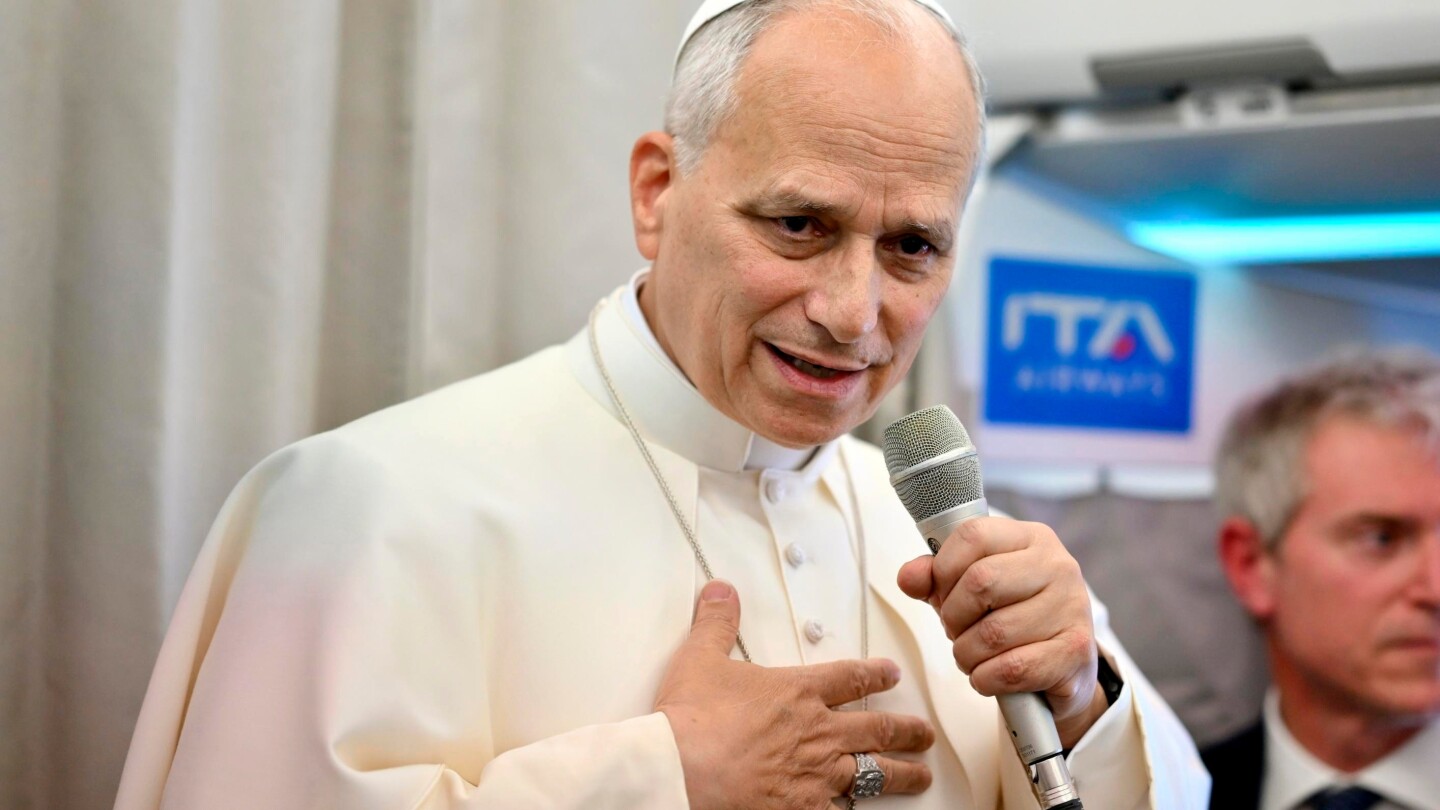
Pope Leo XIV has dissolved a controversial Vatican fundraising commission established during Pope Francis’s pontificate, marking his most significant move yet to address one of his predecessor’s disputed financial decisions.
In a formal decree issued Thursday, Leo suppressed the commission, revoked its statutes, and dismissed its members. The Pope directed that all assets be transferred to the Holy See, with the Vatican patrimony office overseeing the commission’s dissolution.
The decree also establishes a new working group with papal approval to develop alternative fundraising strategies and organizational structures. This action represents the latest effort by history’s first American pope to resolve lingering issues from Francis’s tenure as 2025 draws to a close.
The now-disbanded commission had been announced on February 26 while Pope Francis was hospitalized with double pneumonia and receiving visits from top officials of the Secretariat of State. The timing and composition of the commission immediately raised eyebrows among Vatican observers.
The commission consisted exclusively of Italian members with no professional fundraising experience. Most controversially, it was headed by the assessor of the Secretariat of State—the same Vatican office Francis had previously stripped of asset management authority following a disastrous London property investment that cost the Holy See tens of millions of euros.
Critics viewed the commission’s formation as an opportunistic power grab, suggesting the Italian-dominated Secretariat of State had taken advantage of Francis’s illness to reclaim financial control after losing its €600 million ($684 million) sovereign wealth fund management responsibilities as punishment for the London fiasco.
Leo’s intervention appears designed to reset Vatican fundraising operations completely. As an American pope with a background in mathematics, he faces high expectations from wealthy U.S. donors—who represent the Vatican’s largest funding source—to implement greater financial transparency and accountability.
The restructuring comes amid encouraging financial developments for the Holy See. The Vatican’s economy ministry recently reported that its structural deficit nearly halved in 2024, dropping from €83 million ($96.6 million) to €44 million ($51.2 million).
The Holy See ended 2024 with a €1.6 million ($1.8 million) surplus, a significant improvement from the previous year’s €51.2 million ($59.6 million) deficit, according to the consolidated financial statement.
External donations to the Holy See increased substantially following a prolonged decline, reaching €237.6 million ($276.6 million)—approximately €20 million ($23.2 million) higher than the previous year. This revenue boost, combined with better performance from Vatican-run hospitals and commercial real estate, increased overall income by €79 million ($91.9 million).
While personnel and administrative costs rose by 6%, the report attributed most of this increase to enhanced real estate maintenance. For years, the Vatican has struggled to fund necessary investments in its extensive property holdings to command competitive rental rates.
The Association of Lay Vatican Employees, the closest entity to a labor union within the Holy See, has expressed skepticism about the optimistic financial reporting. The group has requested additional information, particularly regarding the Holy See’s pension fund, which Pope Francis had previously warned required substantial reforms to meet its obligations.
Pope Leo, however, appears confident about the financial trajectory. While acknowledging ongoing challenges, he told Crux in a summer interview, “I don’t think the crisis is over, I think we have to continue to work on this. But I’m not losing sleep over it, and I think that it’s important that we communicate a different message.”
Pope Francis, who came to office with a mandate to reform Vatican finances, made considerable progress in standardizing accounting practices and enhancing transparency during his 12-year pontificate. Leo has inherited remaining structural issues but maintains that his predecessor established crucial foundations for continued improvement.
Fact Checker
Verify the accuracy of this article using The Disinformation Commission analysis and real-time sources.

36 Comments
I like the balance sheet here—less leverage than peers.
The cost guidance is better than expected. If they deliver, the stock could rerate.
Good point. Watching costs and grades closely.
Good point. Watching costs and grades closely.
The cost guidance is better than expected. If they deliver, the stock could rerate.
Good point. Watching costs and grades closely.
Good point. Watching costs and grades closely.
Silver leverage is strong here; beta cuts both ways though.
Good point. Watching costs and grades closely.
If AISC keeps dropping, this becomes investable for me.
Good point. Watching costs and grades closely.
Silver leverage is strong here; beta cuts both ways though.
Good point. Watching costs and grades closely.
Good point. Watching costs and grades closely.
The cost guidance is better than expected. If they deliver, the stock could rerate.
Good point. Watching costs and grades closely.
Good point. Watching costs and grades closely.
I like the balance sheet here—less leverage than peers.
Good point. Watching costs and grades closely.
Production mix shifting toward Business might help margins if metals stay firm.
Good point. Watching costs and grades closely.
Good point. Watching costs and grades closely.
I like the balance sheet here—less leverage than peers.
Good point. Watching costs and grades closely.
If AISC keeps dropping, this becomes investable for me.
Silver leverage is strong here; beta cuts both ways though.
Good point. Watching costs and grades closely.
Good point. Watching costs and grades closely.
The cost guidance is better than expected. If they deliver, the stock could rerate.
Good point. Watching costs and grades closely.
I like the balance sheet here—less leverage than peers.
Good point. Watching costs and grades closely.
Good point. Watching costs and grades closely.
Exploration results look promising, but permitting will be the key risk.
Good point. Watching costs and grades closely.
Good point. Watching costs and grades closely.