


Listen to the article
Pennsylvania Governor Announces $220 Million Boost for SEPTA Amid Rail Safety Concerns
Pennsylvania Governor Josh Shapiro announced Monday that Philadelphia’s transit agency is now fully compliant with federal safety orders following a series of dangerous fires involving aging railcars on its regional rail network.
The governor pledged an additional $220 million in state funding to the Southeastern Pennsylvania Transportation Authority (SEPTA) to address safety concerns and maintain service levels. The announcement comes after federal intervention prompted by five fires this year involving SEPTA’s Silverliner IV passenger railcars.
“We cannot let SEPTA fail,” Shapiro said during a news conference at the agency’s Frazer maintenance facility in Malvern. “We have to continue to be there for SEPTA and for all mass transit agencies. It’s too important for our economy, it’s too important for communities, it’s too important for our entire commonwealth.”
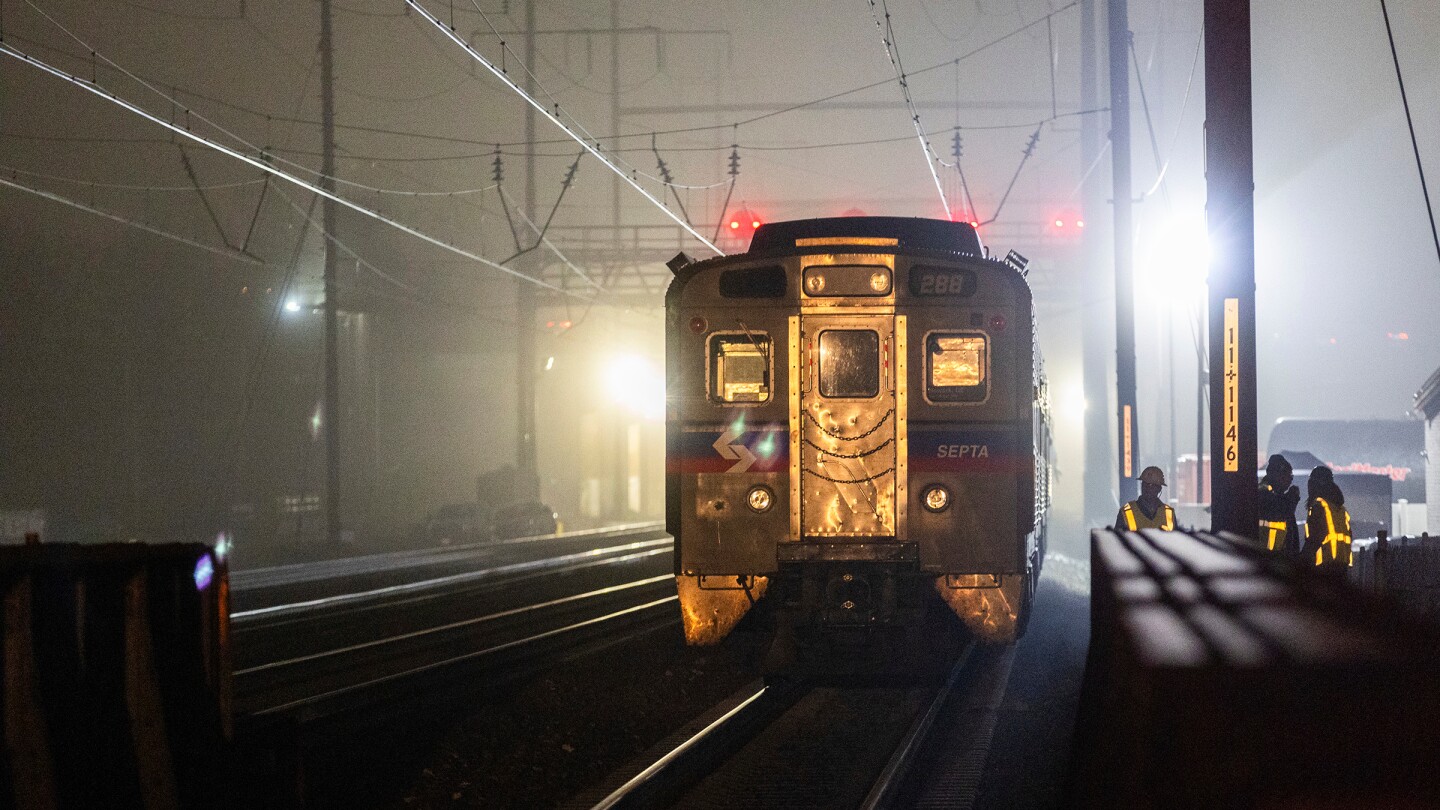
SEPTA began returning some of its approximately 225 Silverliner IV cars to service on Monday for the first time since October, when the Federal Railroad Administration issued emergency orders requiring inspections and safety upgrades. The railcars, dating back to the mid-1970s, represent about two-thirds of SEPTA’s regional rail fleet and are the oldest rail cars in the nation’s oldest rail fleet.
The transit agency has completed federally mandated inspections and begun equipment upgrades on the Silverliner IV cars. Pennsylvania Transportation Secretary Michael Carroll noted that federal inspectors contributed hundreds of hours to the safety effort.
SEPTA riders have endured significant service disruptions in recent weeks as the agency operated its regional rail service at only about one-third of normal capacity during emergency inspections. Officials expect service to return to full or near-full strength by mid-December.
The safety issues come amid broader financial challenges for SEPTA, which carries approximately 800,000 daily riders on its buses, trolleys, and rail lines. The agency has cited inadequate public funding for a backlog of more than $10 billion in needed upgrades.
The funding announcement follows months of political tension after the state Legislature’s Republican majority blocked Shapiro’s earlier request for increased transit aid. Republicans had argued highways should receive more funding and demanded SEPTA raise fares and demonstrate improved efficiency and accountability.
This standoff led to a brief shutdown of some SEPTA services earlier this year as the agency faced a deficit exceeding $200 million. According to SEPTA officials, the service cuts were more drastic than any undertaken by a major transit agency in the United States but necessary to address the financial shortfall.
The newly approved aid will help fund upgrades to the Silverliner IV cars, infrastructure improvements to enhance inspection and maintenance capabilities, and the leasing and purchase of rail cars from other transit systems. SEPTA has estimated that completely replacing the Silverliner IV fleet would cost nearly $1 billion and require a decade to design, procure, and build replacement vehicles.
Governor Shapiro emphasized that SEPTA riders can’t wait ten years for fully restored regional rail services, and the emergency funding will ensure the aging railcars remain safe for as long as they remain in use.
The timing of these improvements is particularly critical as Philadelphia prepares to host several major events in 2025, including FIFA World Cup matches, celebrations for the nation’s 250th birthday, Major League Baseball’s All-Star Game, the PGA Championship, and NCAA March Madness games.
The five fires that prompted federal intervention forced hundreds of passengers to evacuate, with some minor injuries reported. One railcar was involved in two separate incidents, and two railcars were completely destroyed, according to the National Transportation Safety Board.
SEPTA’s challenges mirror those facing major transit agencies nationwide, as they struggle with rising costs and ridership that has not fully recovered from pandemic-era declines while fighting for increased public funding.
Fact Checker
Verify the accuracy of this article using The Disinformation Commission analysis and real-time sources.

10 Comments
Curious to know more about the specific safety upgrades SEPTA will be making to their Silverliner IV railcars. Hopefully the new funding will allow them to make comprehensive improvements.
Me too. The details on the upgrades and timeline would be helpful to understand the full scope of this safety initiative. Transparency from SEPTA will be important.
Fires involving aging transit vehicles are a serious issue that need to be addressed. Glad to see the state of Pennsylvania stepping up with additional funding support for SEPTA.
It’s refreshing to see a transit agency being proactive about safety concerns rather than trying to ignore them. Kudos to SEPTA for taking the necessary steps to upgrade their fleet.
Investing in public transit infrastructure is crucial for any city’s economic growth and sustainability. Glad to see SEPTA taking the necessary steps to address the safety concerns with their aging railcars.
Absolutely. Keeping mass transit systems running safely and reliably is vital for communities. The additional state funding should help SEPTA make the needed upgrades.
While it’s good SEPTA is complying with the federal orders, I hope the agency takes this opportunity to also modernize its overall fleet and infrastructure. Aging transit systems need constant reinvestment.
Agreed. Addressing immediate safety concerns is critical, but SEPTA should also have a long-term plan to gradually replace its older railcars with more reliable, energy-efficient models.
Railcar fires can be extremely dangerous, so I’m glad to hear SEPTA is complying with the federal orders. Upgrading older vehicles is important for passenger safety.
Agreed. Investing in modern, well-maintained railcars should be a top priority for any transit agency. It’s good to see the governor stepping up with more funding support.