


Listen to the article
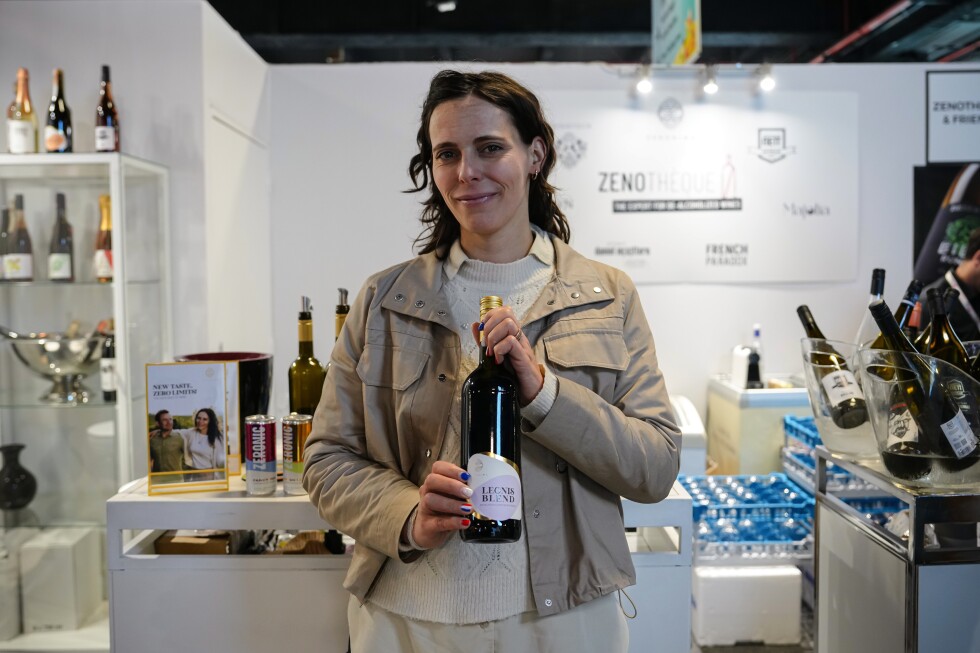
As a French teetotaler living in Burgundy, one of the world’s premier wine regions, Justine Bobin understands the social challenges of abstaining from alcohol in a culture where it has historically defined social gatherings.
“People are convinced that you can’t have fun if you don’t drink alcohol in France,” says Bobin, who traveled to Paris this week to explore the expanding market of zero- and low-alcohol beverages at a major international wine and spirits trade show.
The exhibition showcased an impressive array of non-alcoholic alternatives—primarily red, white, rosé and sparkling wines from Europe, South Africa, Australia, and New Zealand—displayed alongside traditional alcoholic offerings from established producers. These products, promoted with slogans like “no alcohol, no regrets, no consequences” and “drink different,” reflect a growing industry responding to shifting consumer preferences, particularly among younger adults more conscious of alcohol’s health impacts.
France, despite its deep-rooted wine culture, has seen alcohol consumption plummet over the past 50 years. The tradition of wine with most meals has waned significantly, with younger generations drinking less and differently than their parents did.
Bobin, who is Muslim, believes non-alcoholic beverages can bridge social divides between drinkers and non-drinkers. She attended the Wine Paris show seeking products for her delicatessen in Burgundy.
“It allows us to share a moment with people even without drinking alcohol,” she explains. “So they can drink if they want, but we can still share a drink, toast with them. It offers an alternative for everyone and brings people together. It’s more of a product for inclusion for people who don’t drink alcohol, and that’s great.”
This trend extends far beyond France. In the United States, surveys indicate fewer Americans are consuming alcohol than in previous years. Globally, the no/low beverage sector is steadily challenging alcohol’s market dominance.
The changing landscape has created economic challenges for traditional producers. The French government has begun offering subsidies to wine-makers willing to uproot their vineyards to reduce production of vintages no longer in demand. Meanwhile, Dutch brewing giant Heineken announced this week plans to cut up to 6,000 jobs from its global workforce by 2028 after reporting falling beer sales last year. Tellingly, the company’s portfolio of no- and low-alcohol products experienced double-digit growth in 18 markets during the same period.
Austrian producer Katja Bernegger, who exhibited her alcohol-free wines at the Paris show, dismisses the notion that the no/low trend is merely a passing fad. “People are more mindful of their body,” she observes. “If you drink today, you probably have a headache tomorrow, and they don’t want it because you need to function, you have kids, you have a job.”
Bernegger’s journey into non-alcoholic wine production began during her pregnancy when she stopped drinking but missed wine’s distinctive flavors and social experience. “You are standing there with your orange juice or Coke. You are out of it. You have to explain why you don’t drink,” she recalls. “So you are simply having just half of the fun in life. And that’s the reason why we need some sophisticated non-alcoholic options.”
Industry analysts point to several factors driving this shift, including increasing health consciousness, changing workplace cultures, stricter drunk driving laws, and the influence of social media where younger consumers are less willing to share unflattering intoxicated images. Additionally, the quality of alcohol-free alternatives has improved dramatically, with sophisticated production techniques now capable of creating complex flavor profiles that closely mimic their alcoholic counterparts.
While the no/low sector still represents a relatively small portion of the overall beverage market, its rapid growth and expanding presence at premier industry events signals a significant shift in consumer behavior that traditional producers can no longer afford to ignore.
Fact Checker
Verify the accuracy of this article using The Disinformation Commission analysis and real-time sources.

7 Comments
The growth of the non-alcoholic beverage market at the Paris wine show is an intriguing sign of the times. As consumers, especially younger generations, become more mindful of the health impacts of alcohol, it makes sense that the industry would respond with innovative alternatives. It will be interesting to see how this trend evolves in the coming years.
The declining alcohol consumption in France, despite its deep-rooted wine culture, is a notable trend. It reflects a broader shift in consumer behavior, particularly among younger generations who are more conscious of the health impacts. I’m curious to see how the traditional wine industry adapts to this changing landscape.
The surging demand for non-alcoholic alternatives at the Paris wine show is a fascinating development. It speaks to the evolving social dynamics around drinking, as people seek more mindful and health-conscious options. I’m curious to see how producers adapt to cater to these changing preferences.
The expansion of the zero- and low-alcohol beverage market is an intriguing sign of the times. As health and wellness become increasingly important factors for consumers, it makes sense that the wine and spirits industry would respond with innovative non-alcoholic options. I wonder how this shift will impact the overall industry landscape.
Interesting to see the shift in consumer preferences towards zero- and low-alcohol drinks, even in wine-centric France. It reflects a growing health consciousness, especially among younger generations. I wonder how this trend will impact the traditional wine industry in the long run.
The surging demand for zero- and low-alcohol drinks at the Paris wine show is a fascinating development. It reflects a growing consumer consciousness around health and wellness, even in a region with such a strong wine culture. I’m curious to see how the industry responds to these changing preferences.
The growth of the non-alcoholic beverage market at the Paris wine show is a compelling development. It suggests that consumers, even in wine-centric regions, are increasingly seeking out alternatives that align with their health and wellness priorities. I wonder how this trend will shape the future of the wine and spirits industry.