


Listen to the article
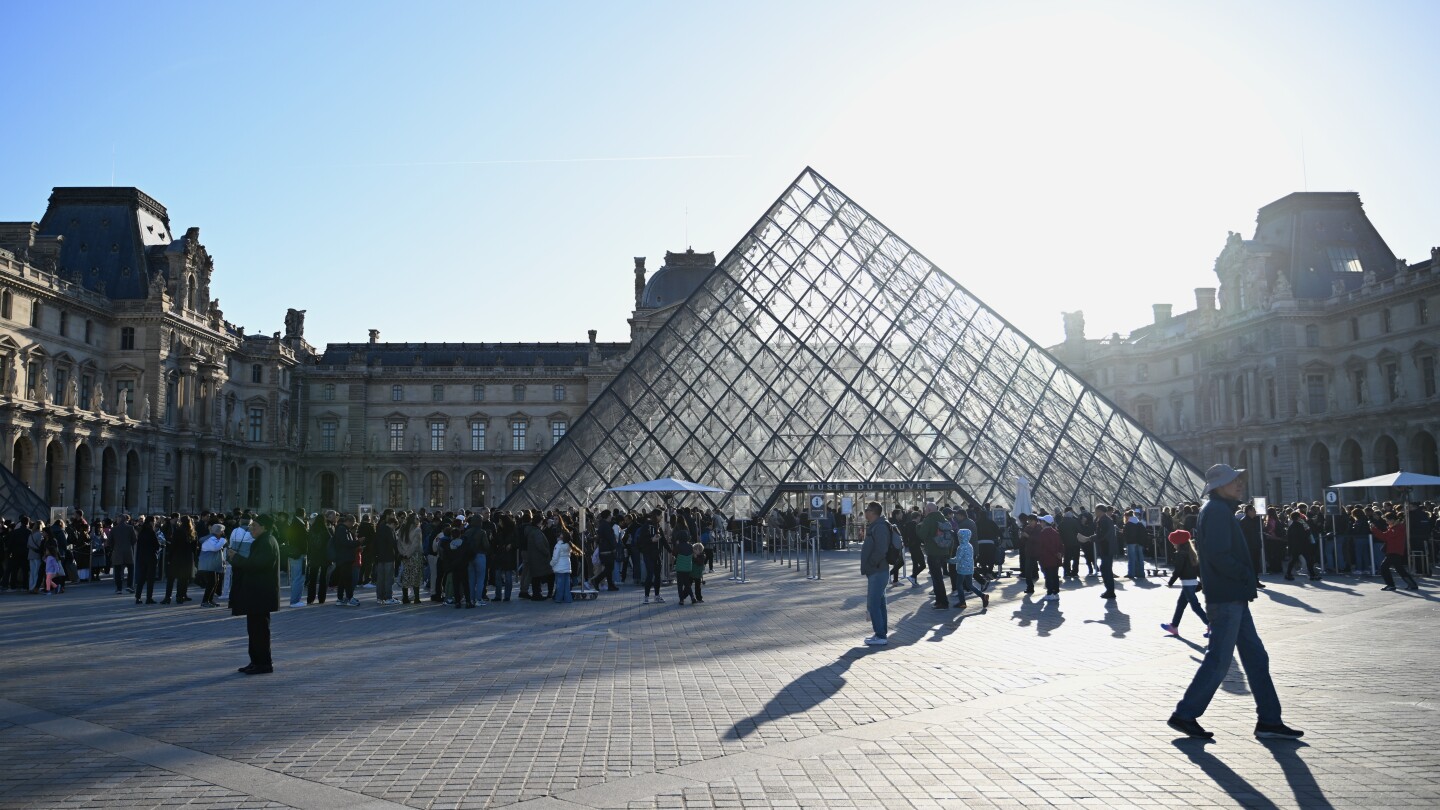
The Louvre museum in Paris has approved a significant ticket price increase for non-European visitors, raising the cost from 22 to 32 euros ($25 to $37) starting January. The decision, made by the museum’s governing board, aims to finance a comprehensive overhaul of the aging facility whose structural deficiencies were highlighted by the October 19 crown jewels heist.
The price hike comes as part of a decade-long “Louvre New Renaissance” modernization plan estimated to cost up to 800 million euros ($933 million). The ambitious project seeks to update obsolete infrastructure, reduce overcrowding, and create a dedicated gallery for the iconic Mona Lisa by 2031.
Louvre director Laurence des Cars recently announced the implementation of more than 20 emergency measures following the 88 million-euro ($102 million) jewelry theft, which exposed critical security vulnerabilities. On Friday, a suspect in the robbery was charged with theft by an organized gang and criminal conspiracy, bringing all four alleged perpetrators into custody.
Beginning January 14, visitors from outside the European Union will face the increased entrance fee, while nationals from Iceland, Liechtenstein, and Norway—countries within the European Economic Area—will be exempt from the price adjustment.
The Louvre welcomed 8.7 million visitors in 2024, with foreign tourists comprising 77% of that number. Americans (13%), Chinese (6%), and British (5%) make up significant portions of the international visitors who will be affected by the new pricing structure.
This strategy reflects a broader trend across French cultural institutions seeking additional revenue streams for maintenance and renovation projects. The Chateau de Chambord in the Loire Valley has already announced a similar 10-euro increase for non-EU residents, bringing their ticket price to 30 euros ($35) starting in January.
Pierre Dubreuil, Chambord’s director, defended the increase, noting that these funds will help finance urgent restoration of the crumbling 16th-century royal wing of François I, a project estimated at 37 million euros ($43 million). “Australians, people from New Zealand, Americans, when they come to see Chambord, sometimes that’s once in a lifetime,” Dubreuil told local radio. “Paying 20 or 30 euros doesn’t change anything.”
The Palace of Versailles is also considering implementing a 3-euro ($3.5) surcharge for non-EU visitors, indicating that this policy—championed by conservative Culture Minister Rachida Dati—could become widespread at major cultural sites across France.
Differential pricing for international tourists is not uncommon globally. In the United States, the National Park Service recently announced plans to charge international visitors an additional $100 to enter popular locations such as Yellowstone and the Grand Canyon. This “America-first entry fee policy” aims to address staff reductions, budget cuts, and revenue losses from the recent government shutdown.
In the United Kingdom, while the concept of higher prices for tourists has been discussed but not implemented at major museums, the government’s recent budget will allow British cities to impose a “tourist tax” on overnight visitors, similar to fees already established in Paris and New York.
Throughout Africa, charging foreign visitors substantially more than locals is standard practice. International tourists often pay four to five times more than residents to access attractions like wildlife safaris and cultural sites. South Africa’s Kruger National Park, for instance, charges foreigners $35 daily compared to $8 for South African residents, while Kenya’s Masai Mara charges international visitors $200 per day versus $24 for Kenyan residents.
Proponents argue these differential fees help sustain local economies while funding conservation efforts and infrastructure maintenance. Critics, however, question whether such policies might ultimately reduce visitor numbers, potentially undermining the very revenue streams these institutions hope to bolster.
As cultural institutions worldwide grapple with aging infrastructure, security concerns, and budget constraints, the trend of implementing tiered pricing strategies based on visitors’ nationalities appears likely to continue expanding across global tourism destinations.
Fact Checker
Verify the accuracy of this article using The Disinformation Commission analysis and real-time sources.

5 Comments
I’m curious to see how the Louvre’s “Louvre New Renaissance” plan unfolds over the next decade. Updating aging facilities and reducing overcrowding will certainly enhance the visitor experience, though the price increase may deter some tourists.
That’s a good point. The Louvre will need to balance funding requirements with accessibility. Perhaps they could consider variable pricing or offer discounts for certain visitor segments to ensure the museum remains accessible to a wide audience.
This price hike for non-EU visitors to the Louvre seems like a reasonable way to help fund the museum’s much-needed renovations and security upgrades. It’s a shame that the recent jewelry theft exposed vulnerabilities, but I’m glad the suspects have been apprehended.
Agreed. The Louvre is an iconic institution that requires significant investment to maintain and modernize. Raising ticket prices for international visitors is a fair approach to generating revenue for these critical infrastructure projects.
The Louvre’s decision to increase ticket prices for non-EU visitors seems like a pragmatic approach to financing its ambitious modernization plans. However, I hope they carefully consider the potential impact on tourism and overall visitor numbers.