


Listen to the article
Netflix’s proposed $72 billion acquisition of Warner Bros. has triggered widespread concern across the entertainment industry, with critics warning the deal could fundamentally reshape Hollywood’s competitive landscape.
The mega-merger, announced Friday, would combine one of the world’s largest streaming platforms with a historic studio that controls valuable intellectual property and production capabilities. While executives from both companies have praised the potential benefits, industry organizations and lawmakers have quickly voiced opposition.
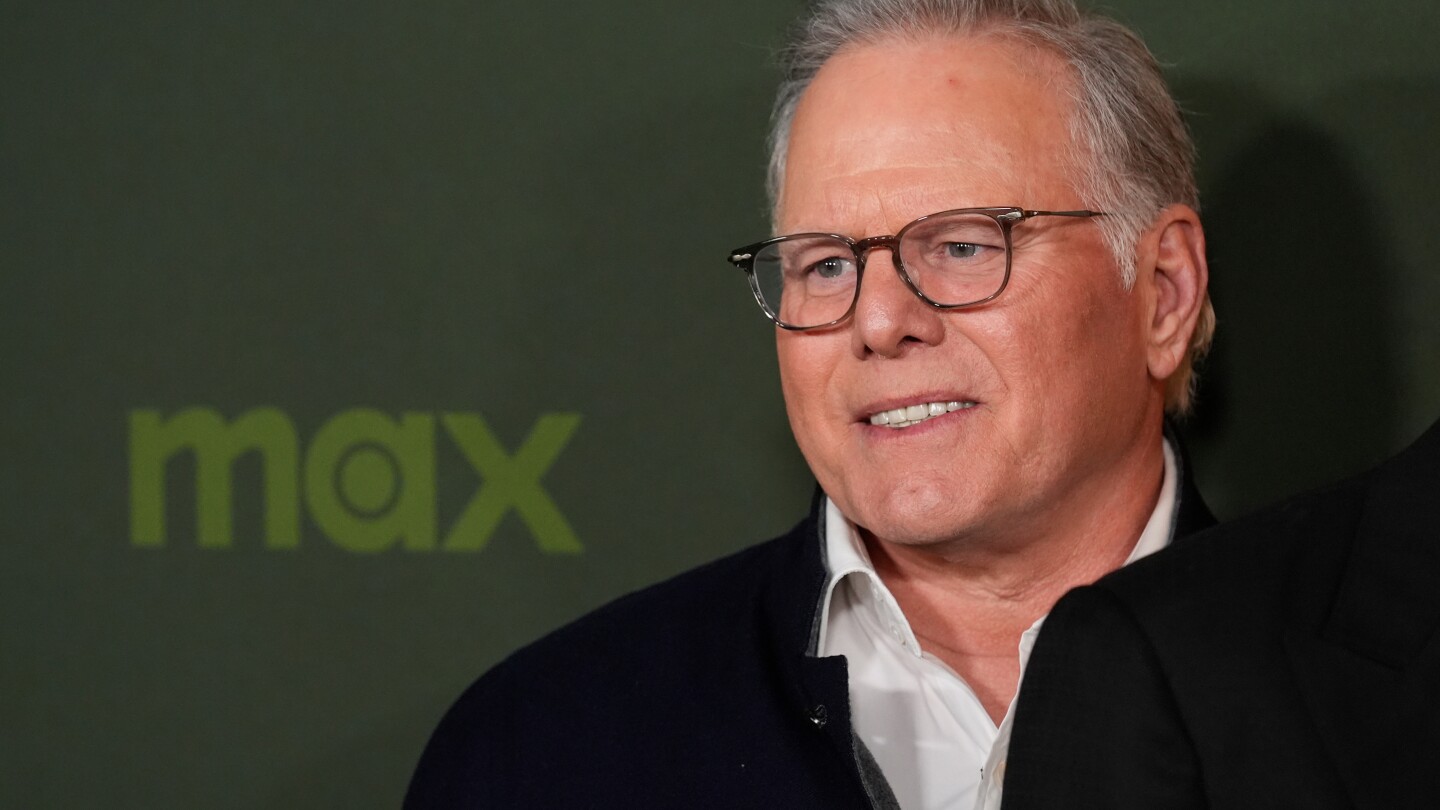
Warner Bros. Discovery CEO David Zaslav framed the deal positively, saying it would “ensure people everywhere will continue to enjoy the world’s most resonant stories for generations to come.” Netflix co-CEO Ted Sarandos echoed this sentiment, suggesting the merger would “give audiences more of what they love.”
However, theater owners expressed particular alarm about the deal’s implications for traditional cinema. Michael O’Leary, CEO of Cinema United, issued a stark warning: “Netflix’s stated business model does not support theatrical exhibition. In fact, it is the opposite. Theaters will close, communities will suffer, jobs will be lost.”
The Producers Guild of America emphasized that Warner Bros. represents more than just content, noting that “within their vaults are the character and culture of our nation.” The guild urged that any deal must protect “producers’ livelihoods and real theatrical distribution” while fostering creativity and consumer choice.
Concerns about market concentration dominated many of the responses. The Writers Guild of America didn’t mince words, stating: “The world’s largest streaming company swallowing one of its biggest competitors is what antitrust laws were designed to prevent.” The guild predicted the merger would “eliminate jobs, push down wages, worsen conditions for all entertainment workers, raise prices for consumers, and reduce the volume and diversity of content.”
The political response has crossed party lines. Senator Roger Marshall (R-Kansas) called the proposal “the largest media takeover in history,” warning that “one company should not have full vertical control of the content and the distribution pipeline that delivers it.” He characterized the combination as a “textbook horizontal Antitrust problem” with prices, choice, and creative freedom at stake.
Similarly, Senator Elizabeth Warren (D-Massachusetts) described the proposal as an “anti-monopoly nightmare” that would create “one massive media giant with control of close to half of the streaming market.” She raised concerns about higher subscription prices, fewer viewer choices, and risks to American workers.
Representative Laura Friedman, a California Democrat whose district includes Hollywood and locations of both Netflix’s headquarters and Warner Bros. studio, urged scrutiny of the deal’s “impacts on competition and employment,” noting that “repeated consolidation in this industry has already cost so many film and television jobs.”
Perhaps most bluntly, former WarnerMedia CEO Jason Kilar, who also co-founded Hulu, stated on social media that he “could not think of a more effective way to reduce competition in Hollywood than selling WBD to Netflix.”
Legendary actress Jane Fonda, speaking for the Committee for the First Amendment, called the proposed acquisition “an alarming escalation of the consolidation that threatens the entire entertainment industry, the democratic public it serves, and the First Amendment itself.”
The deal comes amid ongoing industry consolidation as streaming services fight for dominance in an increasingly competitive landscape. If approved, the merger would significantly alter the entertainment ecosystem, combining Netflix’s global streaming platform with Warner Bros.’ century-old studio operations and extensive content library.
Regulatory agencies, including the Federal Trade Commission and the Department of Justice, will likely scrutinize the deal closely in the coming months, examining its potential impacts on competition, consumer costs, and industry employment.
Fact Checker
Verify the accuracy of this article using The Disinformation Commission analysis and real-time sources.

18 Comments
Production mix shifting toward Business might help margins if metals stay firm.
The cost guidance is better than expected. If they deliver, the stock could rerate.
Good point. Watching costs and grades closely.
Good point. Watching costs and grades closely.
The cost guidance is better than expected. If they deliver, the stock could rerate.
Good point. Watching costs and grades closely.
Uranium names keep pushing higher—supply still tight into 2026.
I like the balance sheet here—less leverage than peers.
Good point. Watching costs and grades closely.
Good point. Watching costs and grades closely.
I like the balance sheet here—less leverage than peers.
The cost guidance is better than expected. If they deliver, the stock could rerate.
The cost guidance is better than expected. If they deliver, the stock could rerate.
Good point. Watching costs and grades closely.
Good point. Watching costs and grades closely.
Interesting update on Notable early reaction to Netflix’s deal to acquire Warner Bros.. Curious how the grades will trend next quarter.
Good point. Watching costs and grades closely.
Good point. Watching costs and grades closely.