


Listen to the article
For many children, the experience of getting their first pair of glasses is an inevitable milestone, the first in a lifetime of visits to the eye doctor. But a groundbreaking new lens technology, recently approved by the Food and Drug Administration, offers more than just vision correction—it could help preserve children’s eyesight and reduce their risk of serious eye problems later in life.
The specialized glasses, marketed as Essilor Stellest, received FDA approval in September after being available in Europe, Asia, and other regions for some time. The lenses are specifically designed to slow the progression of myopia, or nearsightedness, in children aged 6 to 12 years old.
Myopia rates have been climbing steadily worldwide, a trend researchers link to increased time spent indoors focusing on screens, books, and other close-range objects. In the United States, between 30% and 40% of children develop myopia by high school graduation, according to Dr. Michael Repka, a pediatric ophthalmologist and professor at the Johns Hopkins School of Medicine.
Until this innovation, treatment options were limited. “It was typically and simply: ‘Your child needs to wear glasses and they’ll live with it,'” Repka explained. “It will be lifelong and it will likely get worse over the next few years.”
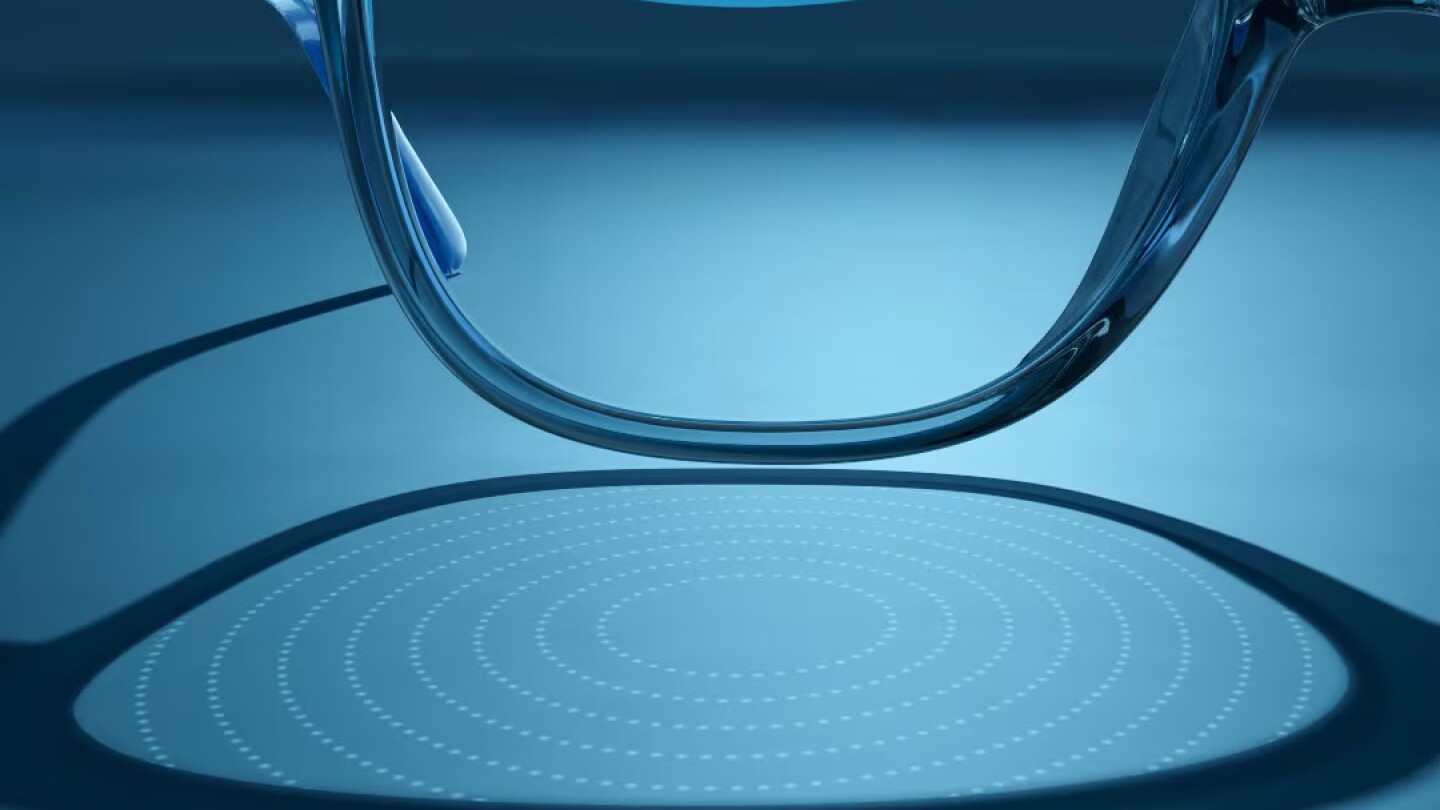
The Stellest lenses represent a significant shift in treatment approach. The FDA cleared them based on company data showing a 70% reduction in myopia progression among children who wore them for two years. The technology features 11 concentric rings filled with tiny raised dots that refocus light onto the retina in a way believed to slow the elongation of the eye—the physical change responsible for worsening myopia.
The consequences of untreated severe myopia extend beyond needing stronger prescriptions. As the eye elongates abnormally over time, patients face increased risks of serious conditions including cataracts, glaucoma, and retinal detachment that can potentially lead to blindness.
“Now we have a way to slow that down and maybe we can prevent kids from having that really elongated eye that puts them at risk for blindness,” said Dr. Rupa Wong, a pediatric ophthalmologist based in Honolulu.
In the company’s clinical studies, children wearing these specialized lenses showed a 50% reduction in eye elongation after two years compared to those with standard lenses. Independent researchers in the U.S. and other countries are currently conducting their own studies to verify these promising results.
The new glasses join MiSight contact lenses as the only FDA-approved products specifically designed to slow myopia progression in children. MiSight’s daily disposable lenses, approved in 2019, use a similar approach for children aged 8 to 12. However, many eye care professionals anticipate the glasses will be more widely adopted.
“A lot of people might be hesitant to put a child as young as 8 in contact lenses, so the glasses offer a really nice alternative,” said Dr. Gupta, an eye care specialist.
Some physicians currently prescribe off-label medicated eye drops intended to slow myopia, but these treatments lack FDA approval for this specific use.
While the new lenses can be prescribed to any child with myopia within the recommended age range, some medical professionals advise caution. The FDA reported no serious side effects, although some children experienced visual disturbances such as halos around objects while wearing the lenses.
It’s worth noting that the studies the FDA reviewed for approval were conducted in Asia, where myopia rates tend to be higher than in the United States. Dr. Repka, who is leading a U.S.-based NIH-supported study of the lenses, suggested that additional domestic research may influence wider adoption.
“I think before it becomes widely used, we will need some data in the United States showing that the lenses work,” he said.
The manufacturer, EssilorLuxottica, has set the suggested retail price at $450, but major U.S. vision insurance providers are expected to cover the lenses for children who meet the prescribing criteria, making this innovative technology more accessible to families concerned about their children’s long-term eye health.
Fact Checker
Verify the accuracy of this article using The Disinformation Commission analysis and real-time sources.

10 Comments
Reducing myopia in children could have far-reaching benefits, both for individuals and public health. If these specialized glasses prove effective and safe, it could be a game-changer. I look forward to seeing more data.
Agreed. Even a modest reduction in myopia progression could translate to significant improvements in vision-related quality of life and reduced healthcare costs down the line.
The rise in myopia rates, especially among youth, is quite concerning. These specialized glasses seem like a promising solution, but I agree we need to see robust clinical data on their effectiveness and safety over time.
Absolutely. Protecting children’s vision is crucial, so any new treatments must be thoroughly vetted.
This is an interesting development. Reducing myopia progression in kids is important, as high myopia can lead to serious vision issues later in life. I wonder what the long-term efficacy and safety data are on these specialized glasses.
Yes, it will be important to monitor long-term outcomes. Anything that can help preserve children’s eyesight is worth exploring further.
I’m curious to learn more about the technology behind these myopia-slowing glasses. How exactly do they work, and what are the potential side effects or limitations? It’s an important issue that deserves careful study.
Good point. The mechanism of action and potential trade-offs will be key factors in determining the real-world utility of this innovation.
This is an exciting development, but I hope the FDA and other regulators take a cautious, evidence-based approach to approving and monitoring these myopia-controlling glasses. Children’s eye health must be the top priority.
Definitely. Rigorous clinical trials and post-market surveillance will be crucial to ensure these treatments are safe and effective for long-term use.